
China is not just a point on the map. It is a country where time does not simply pass, but layers itself, creating a reality where ancient history and the future merge in perfect harmony. This is not just an itinerary, but a grand story in which you become the main character.
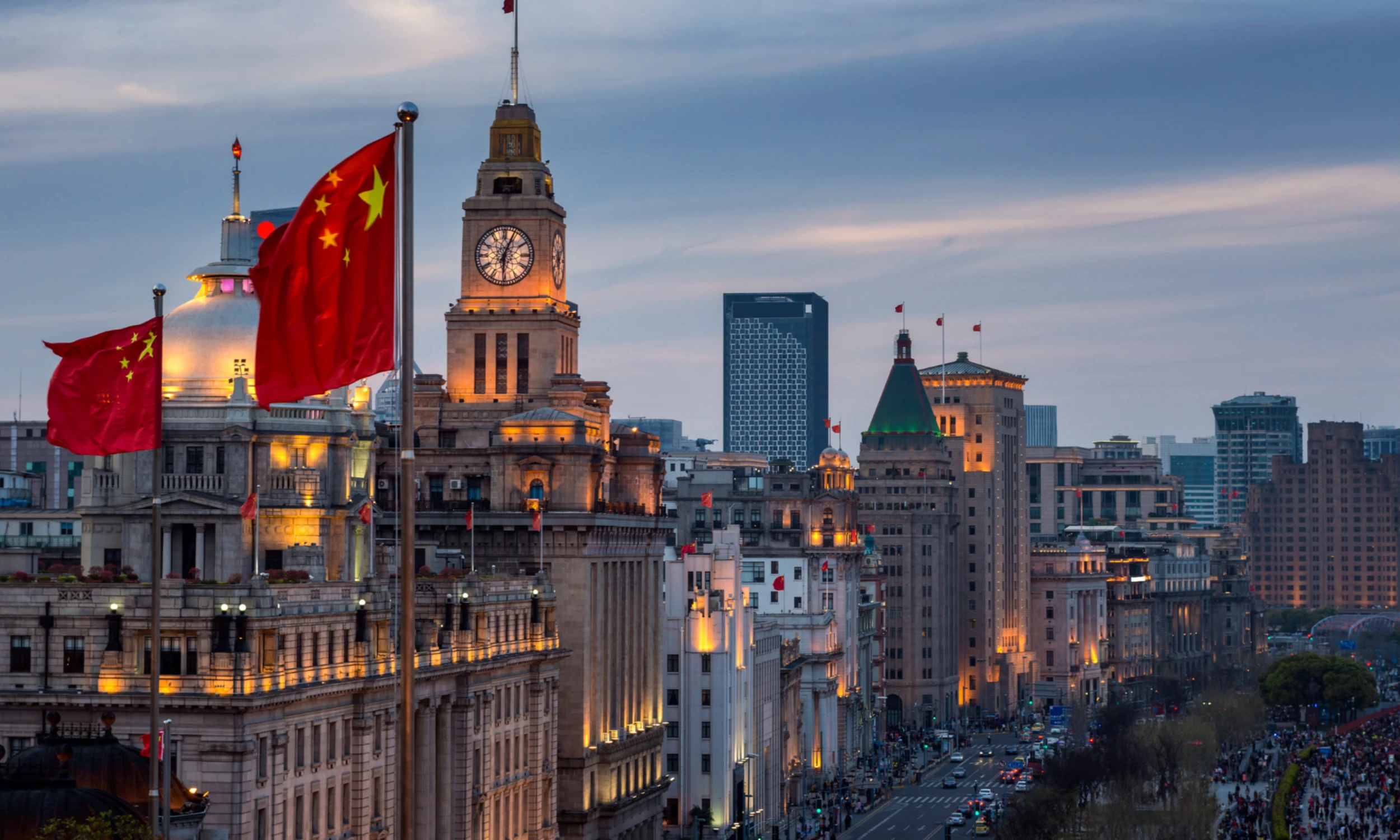
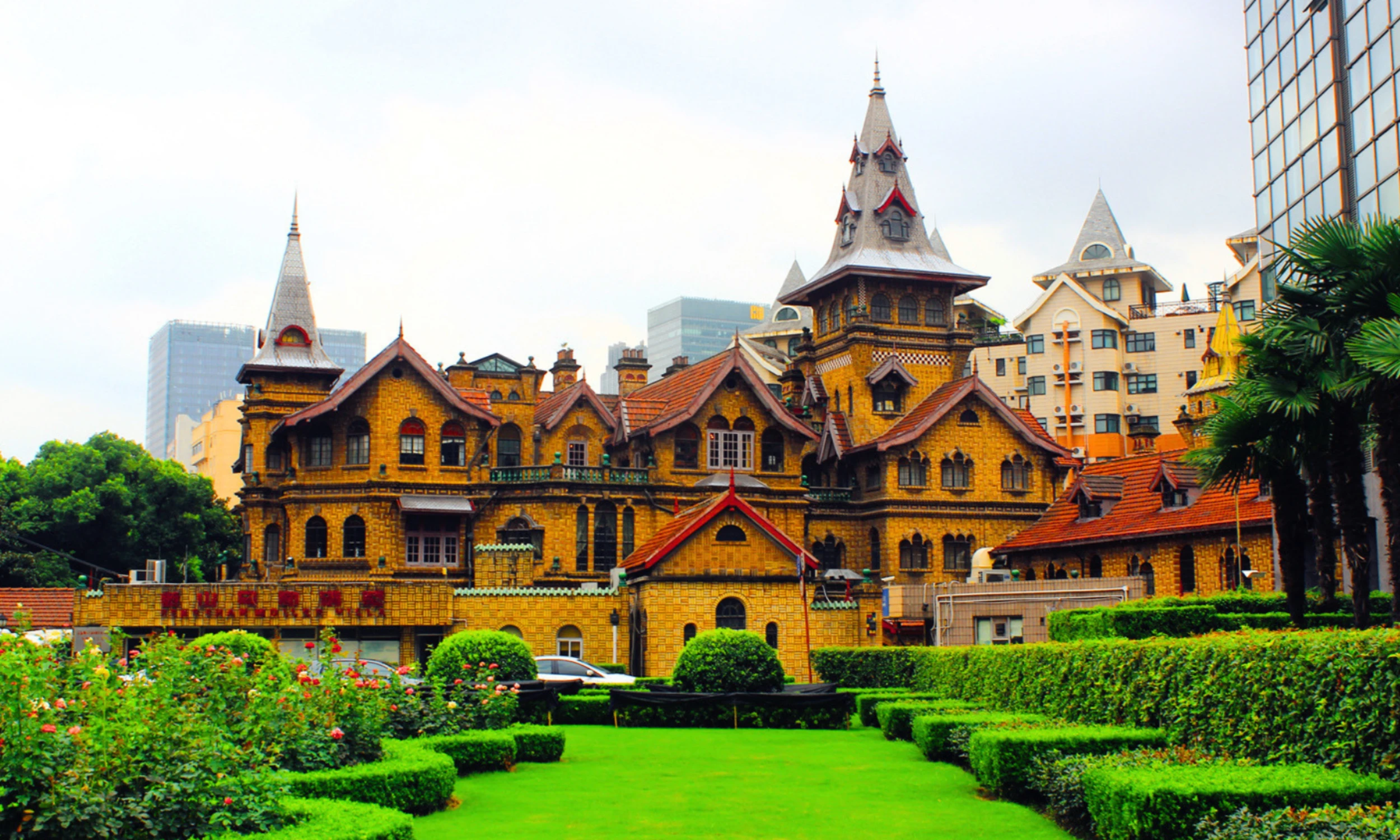
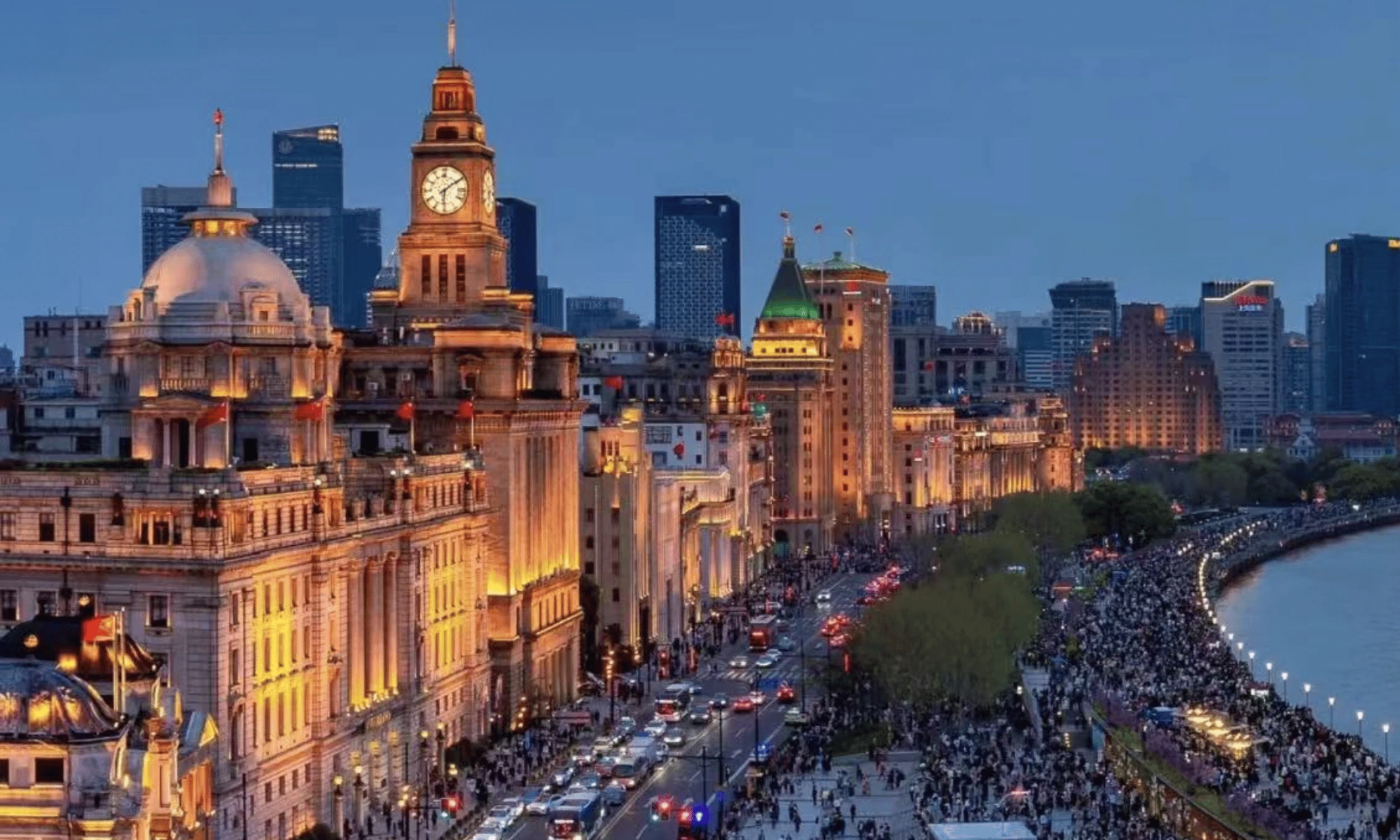
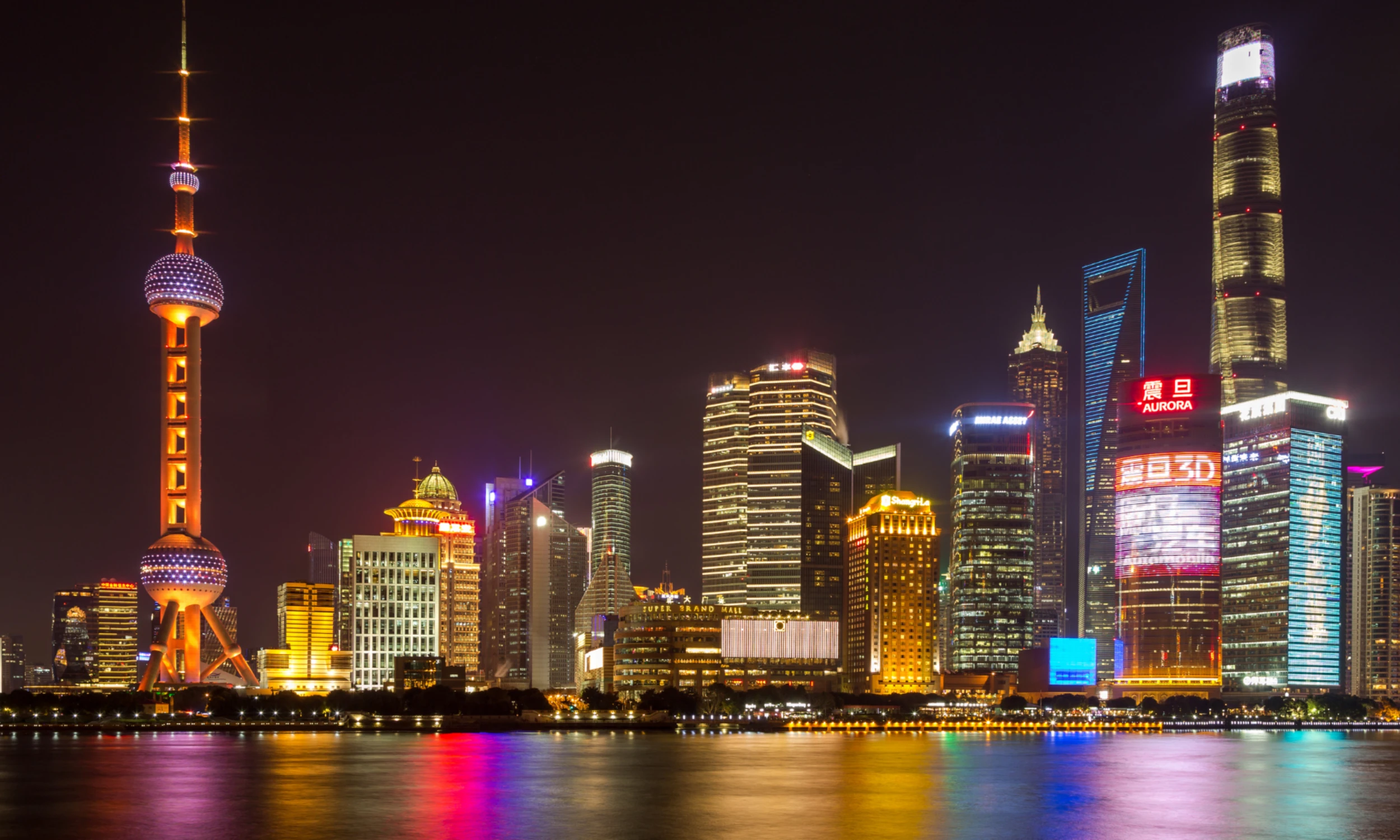
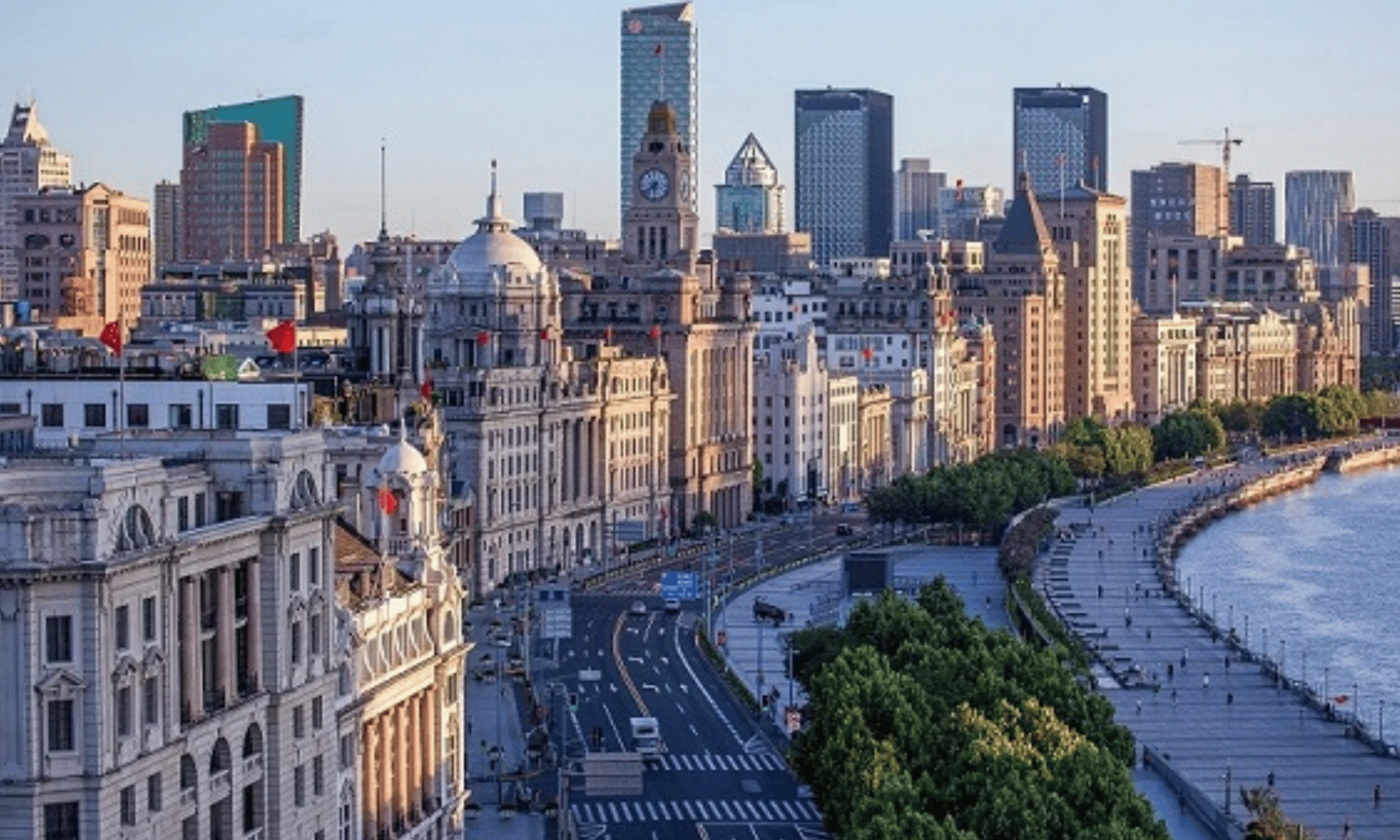
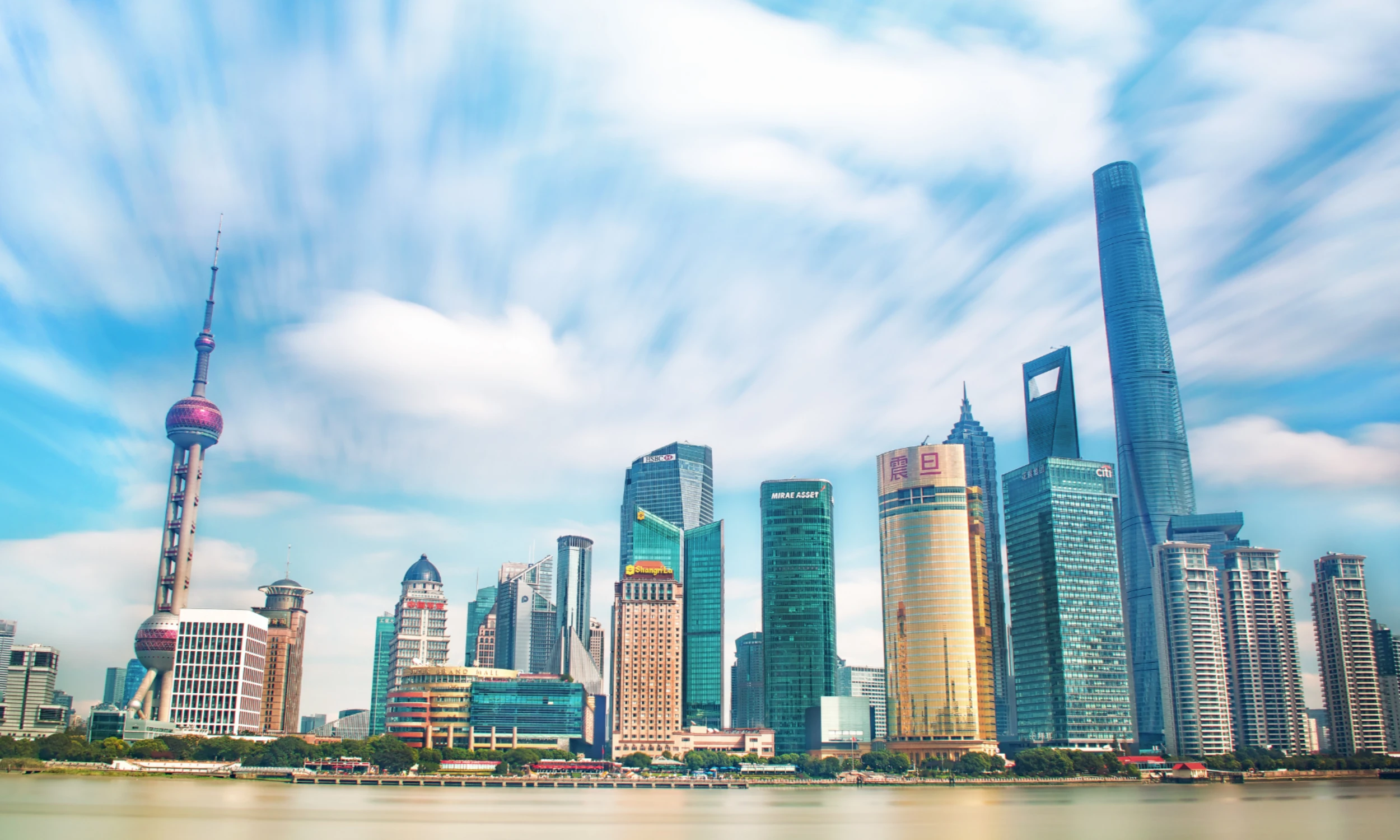
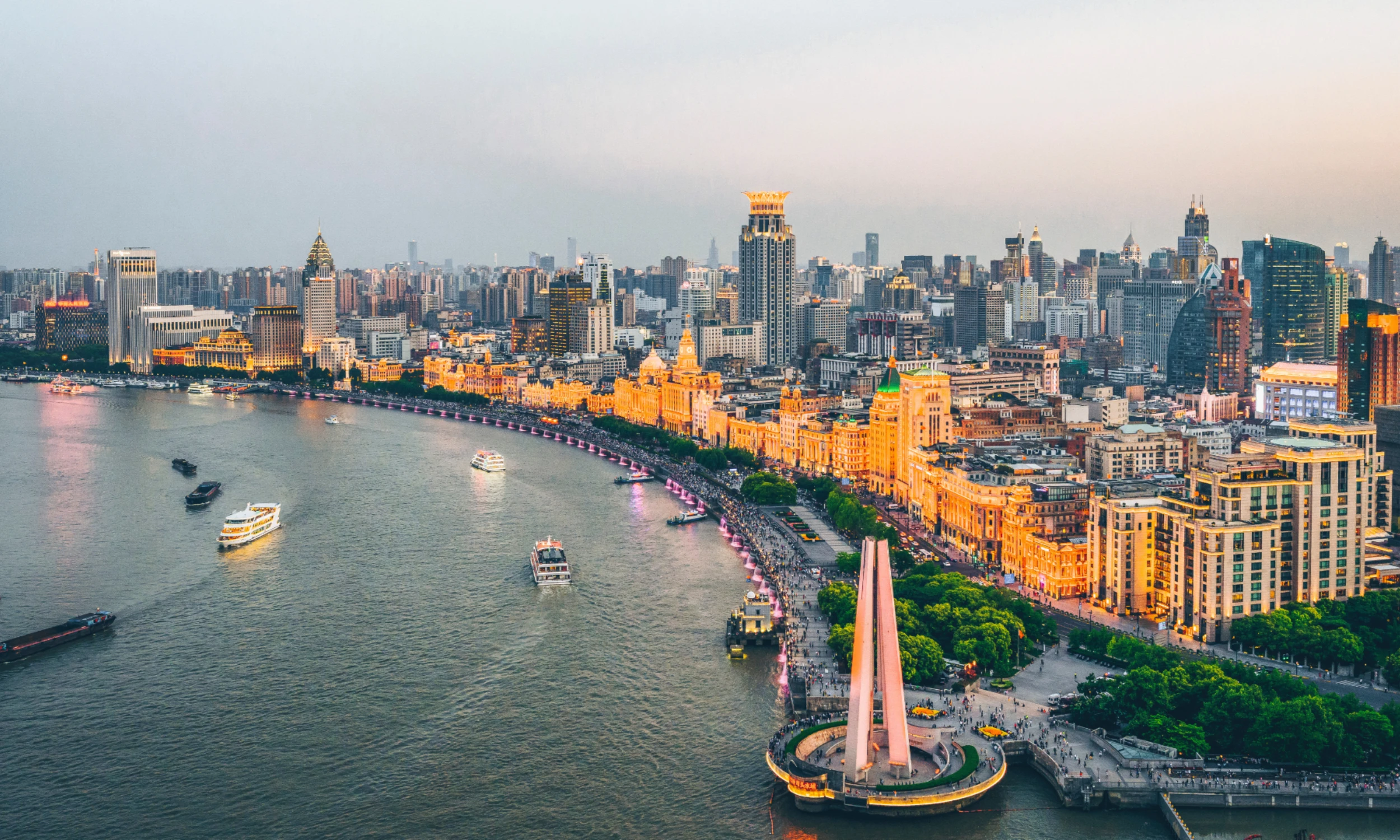
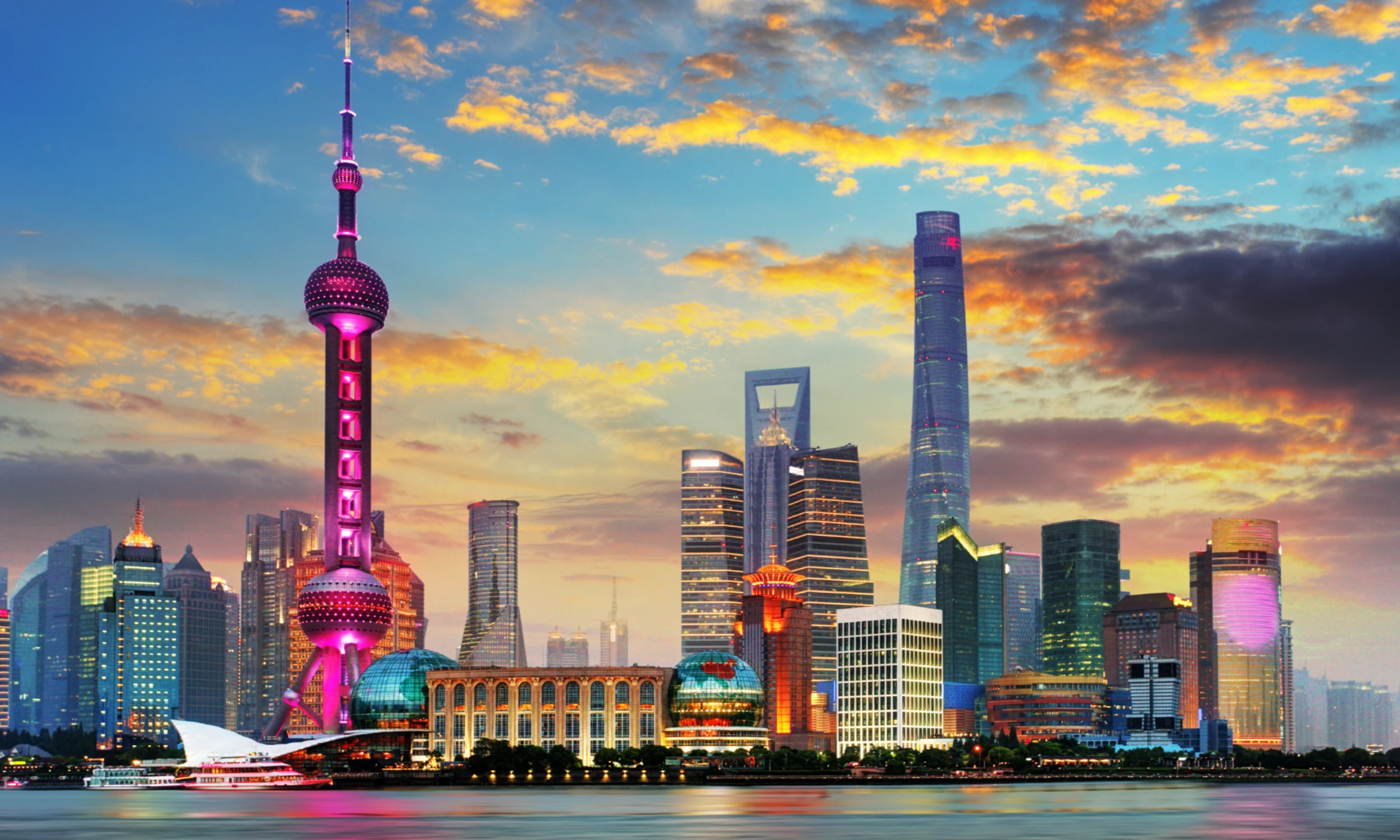
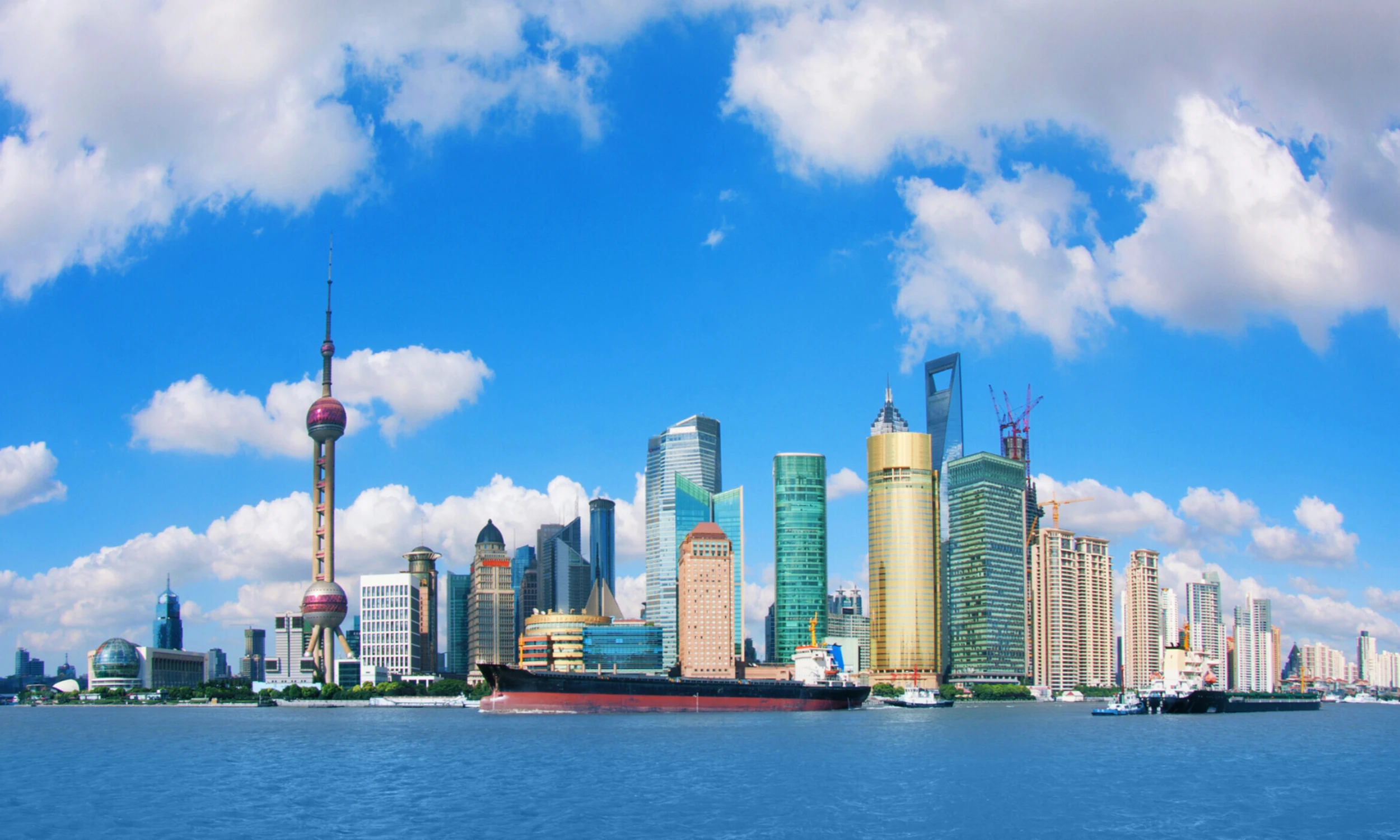
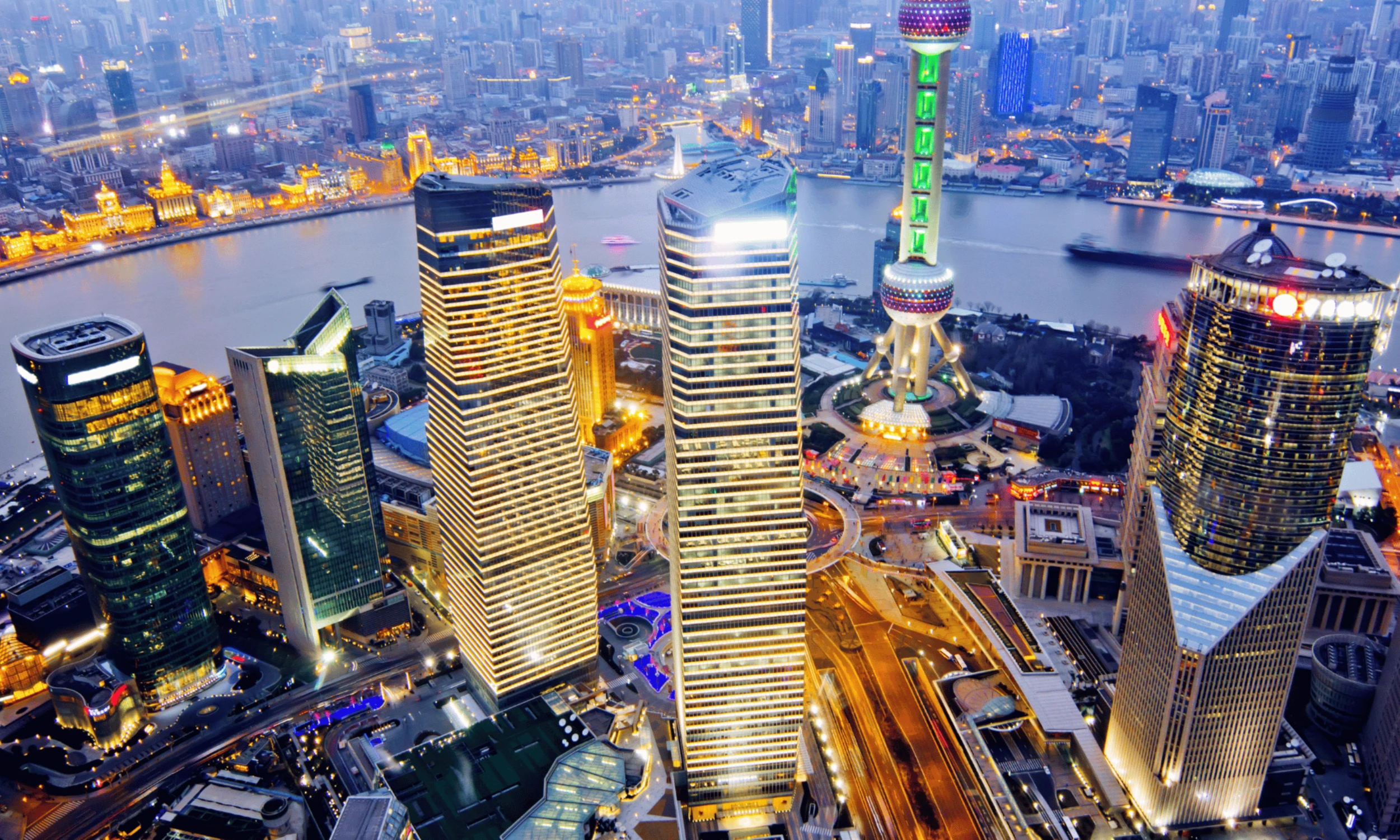
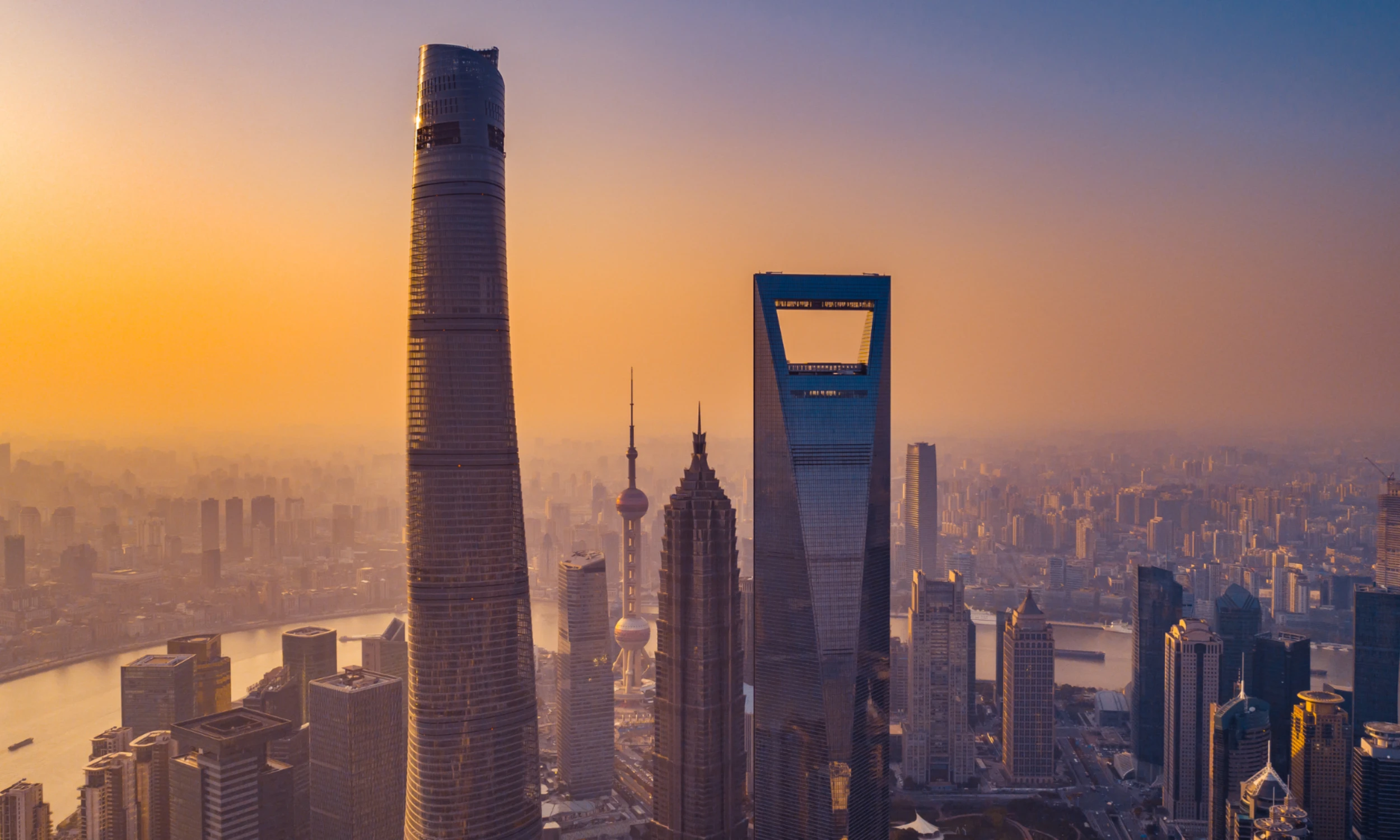
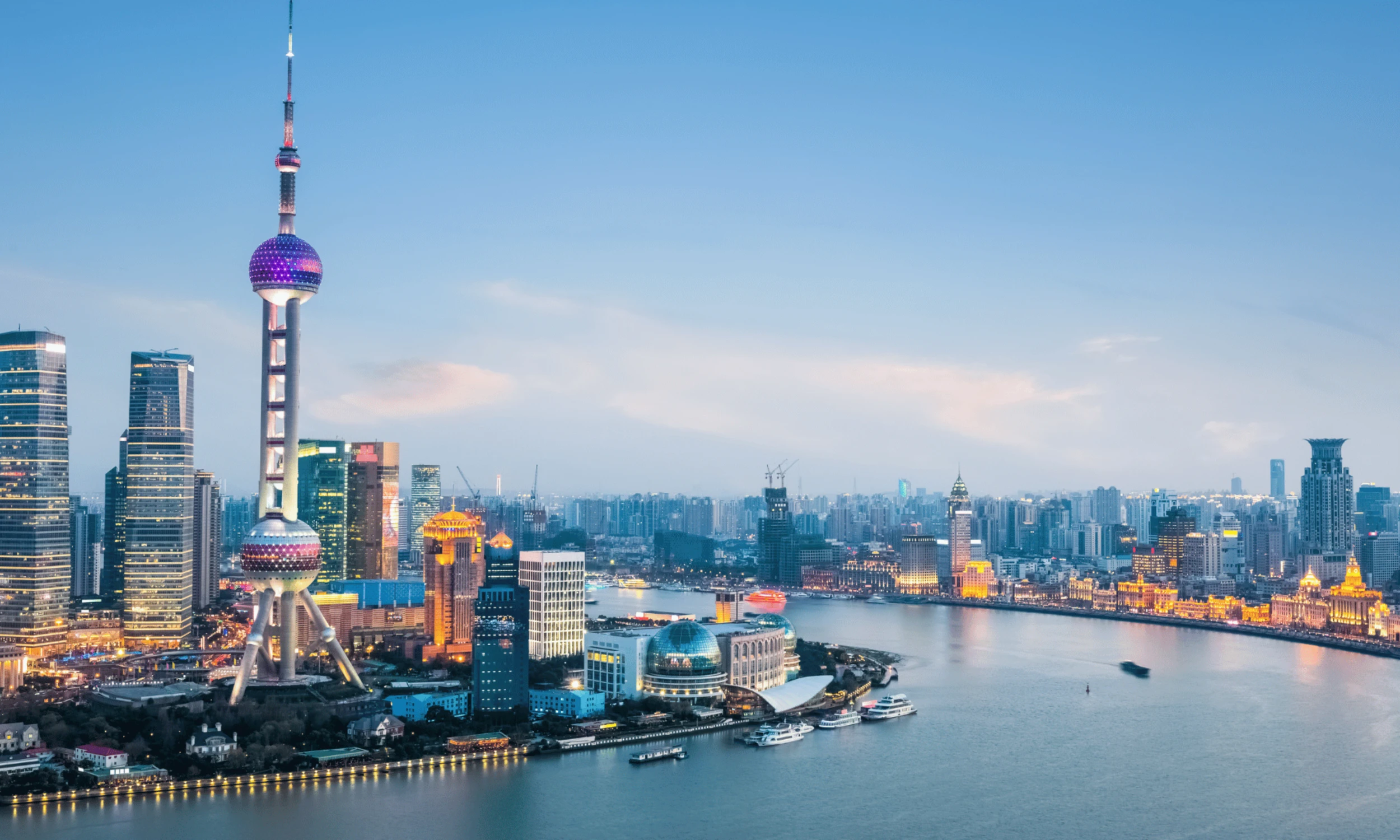
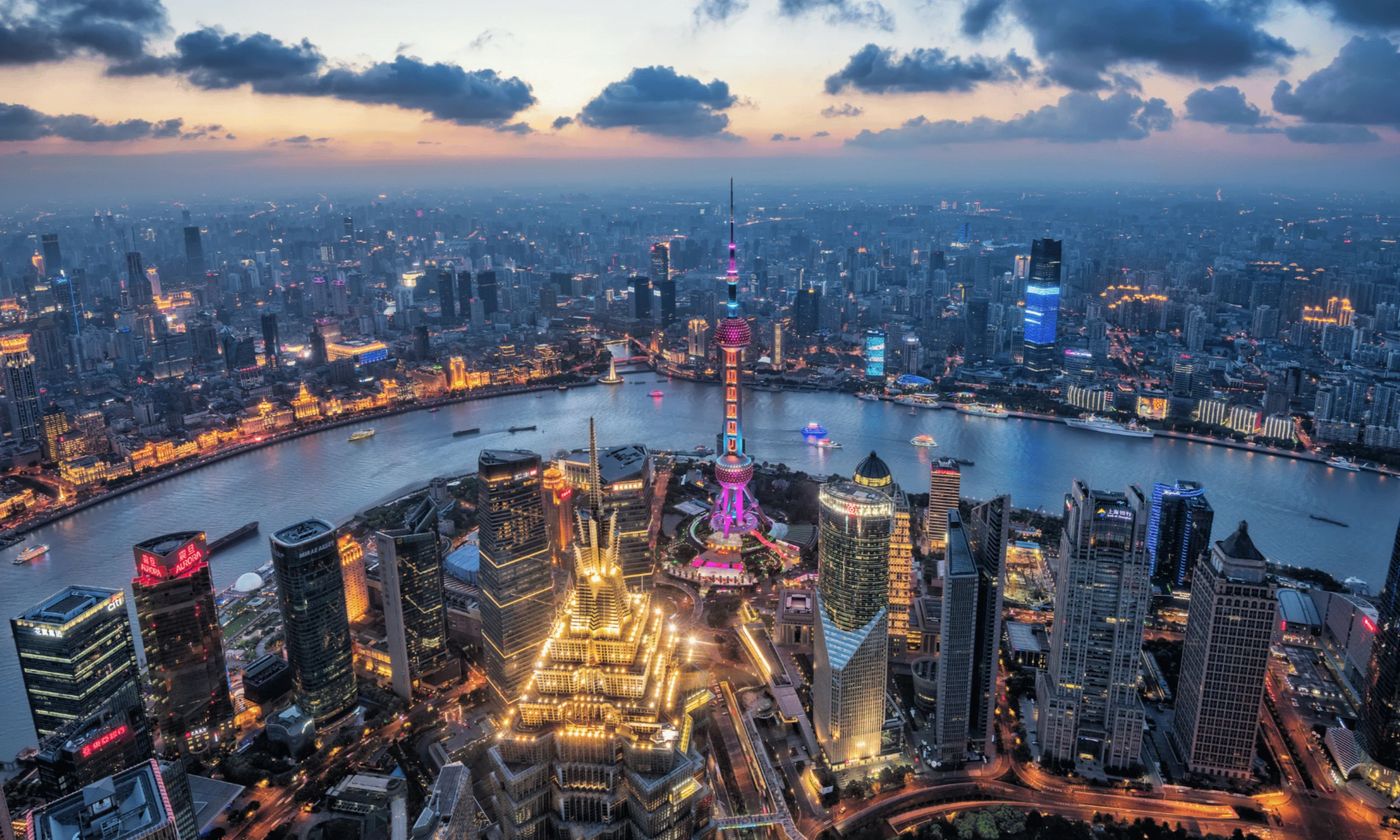
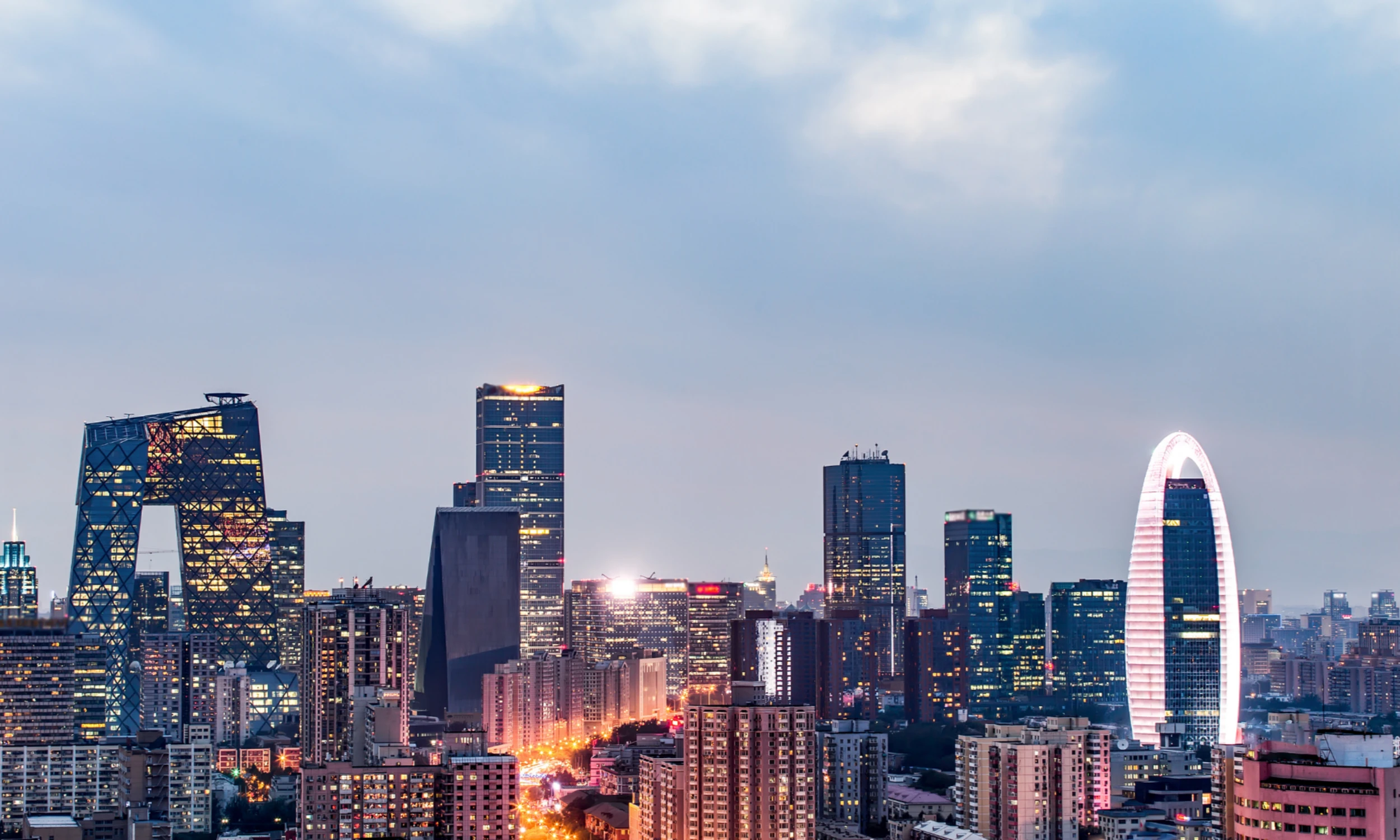
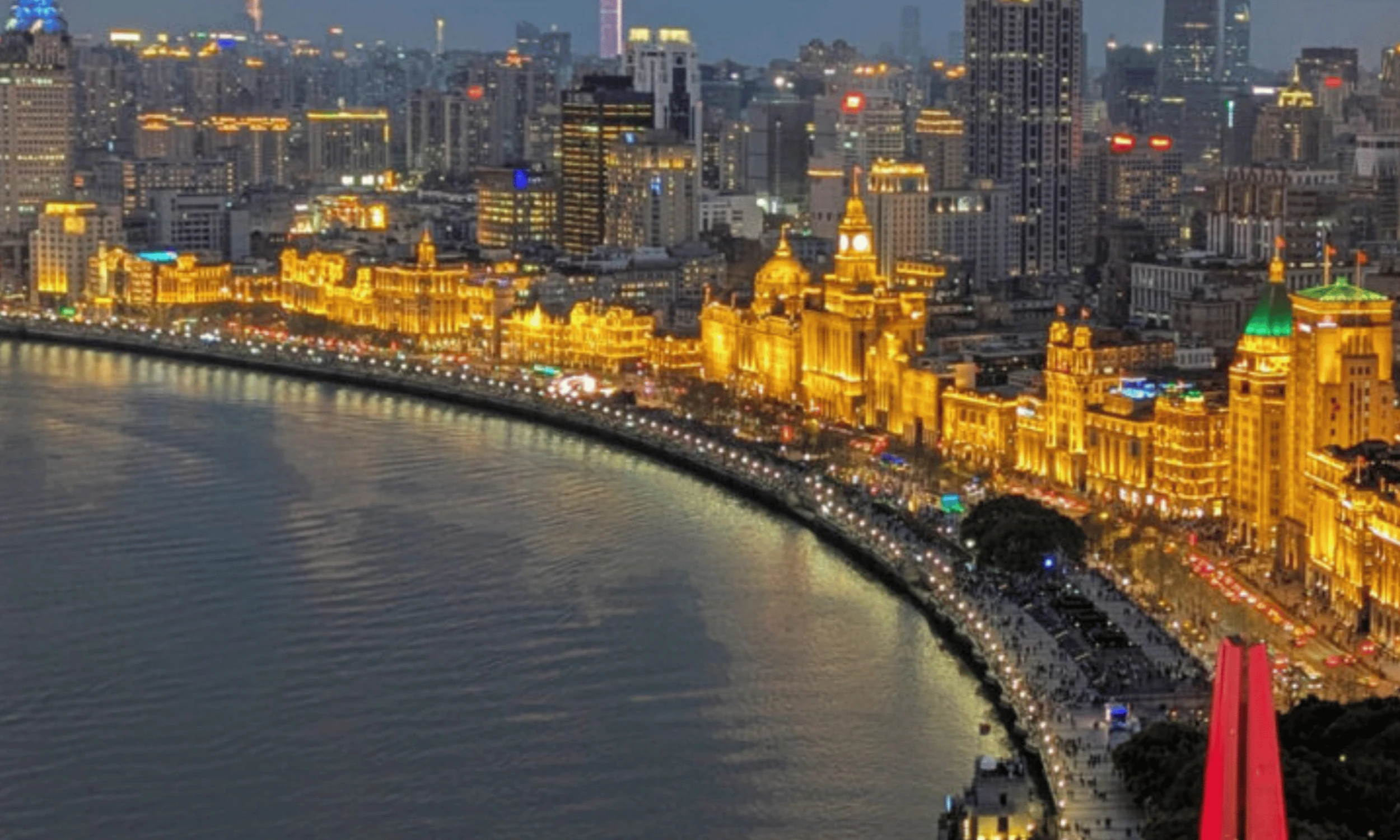
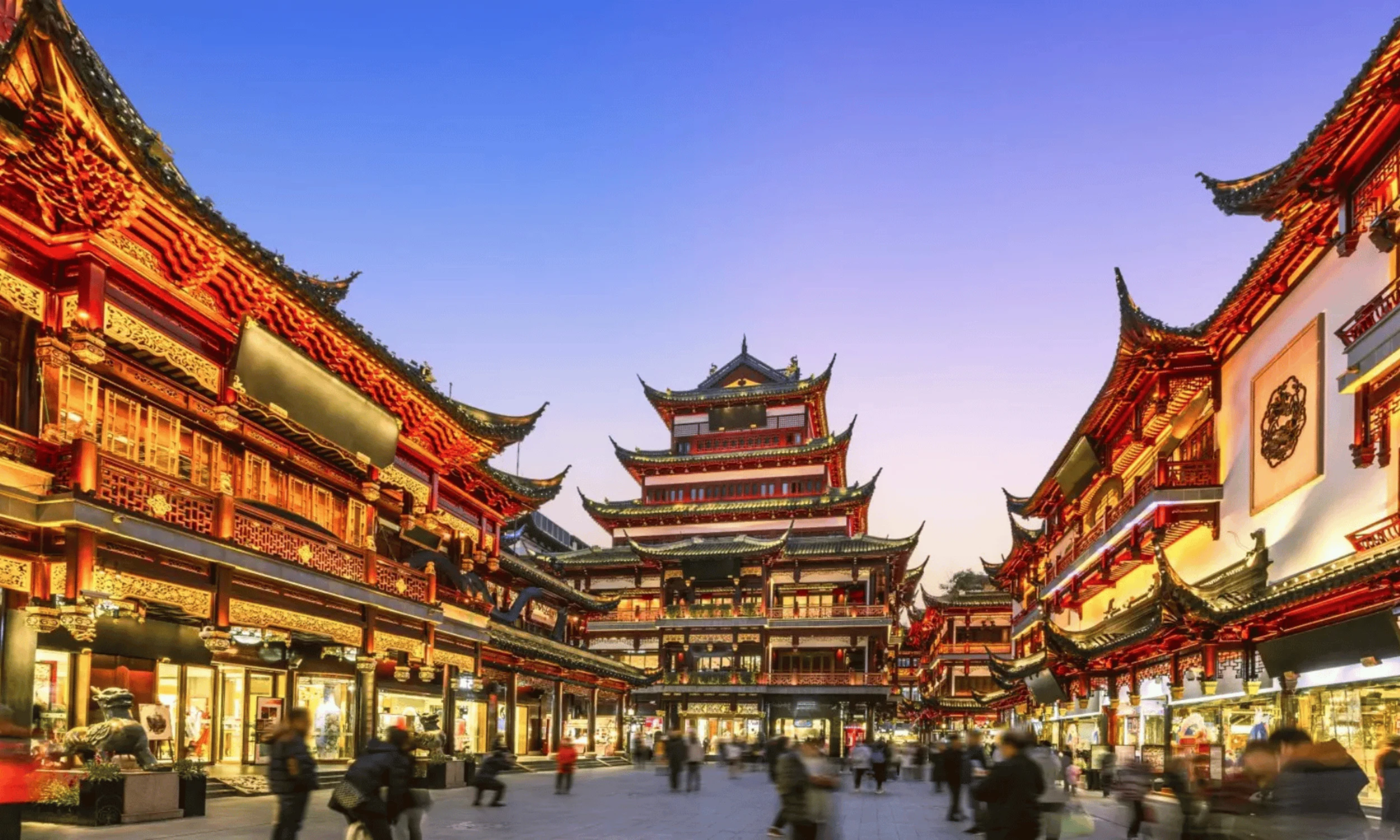
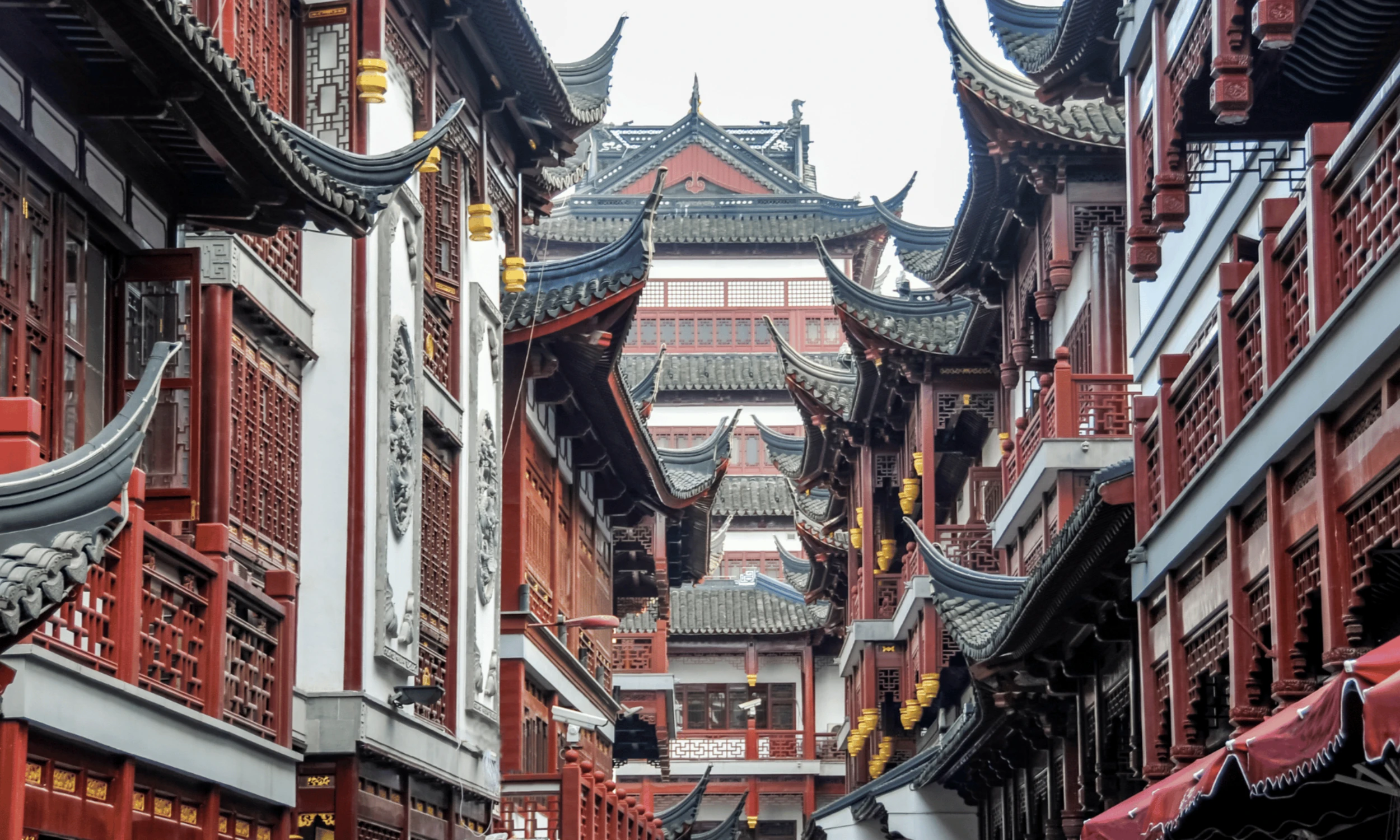
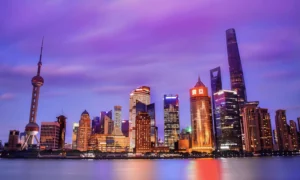
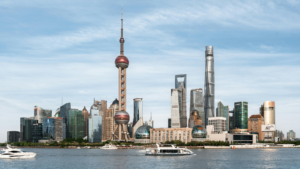
A dazzling metropolis where the future is already present. Towering skyscrapers, a sea of night lights, and the city’s constant motion create a powerful energy that captivates from the very first moment. Walking along the Bund, you’ll feel the city’s unique spirit, where colonial elegance meets ultra-modern architecture.
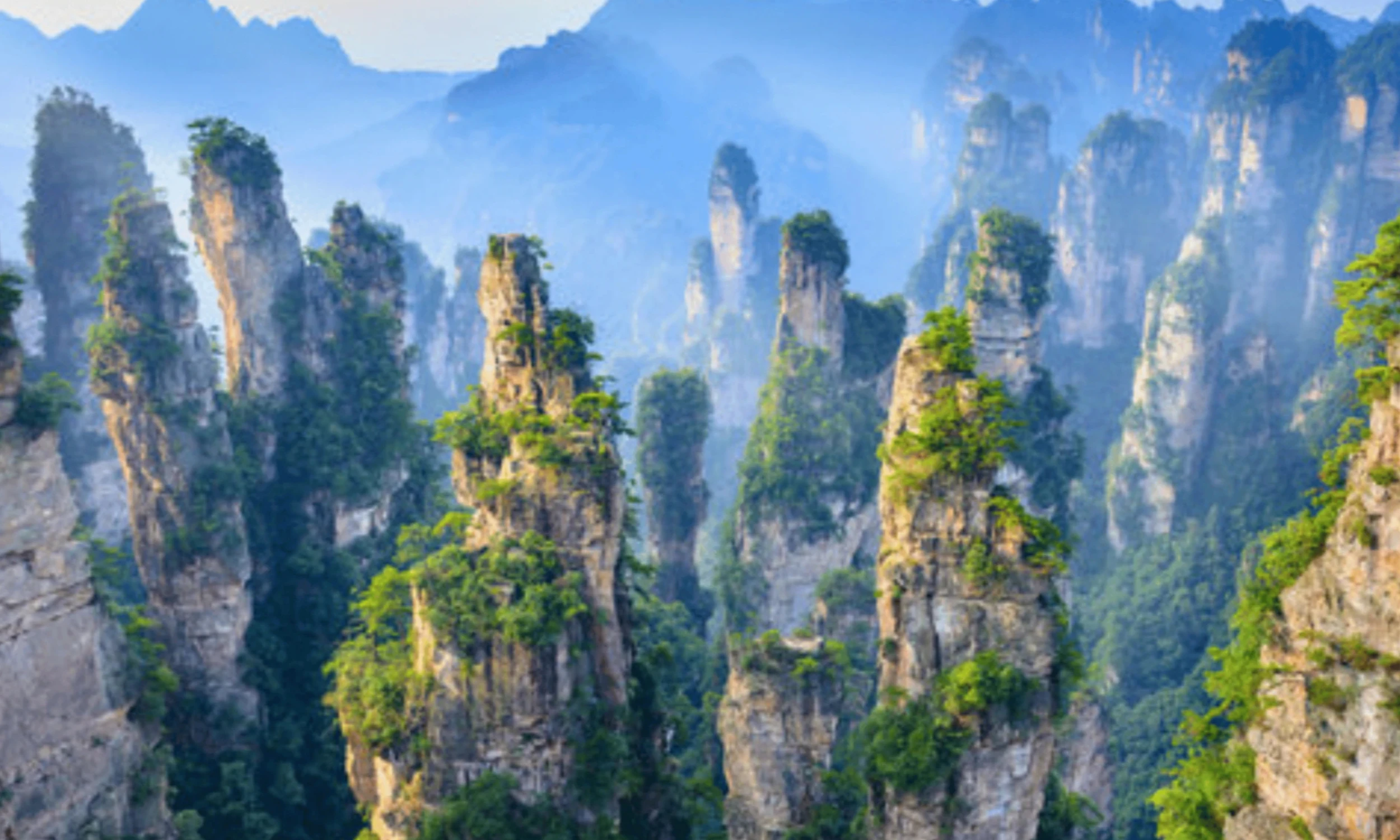
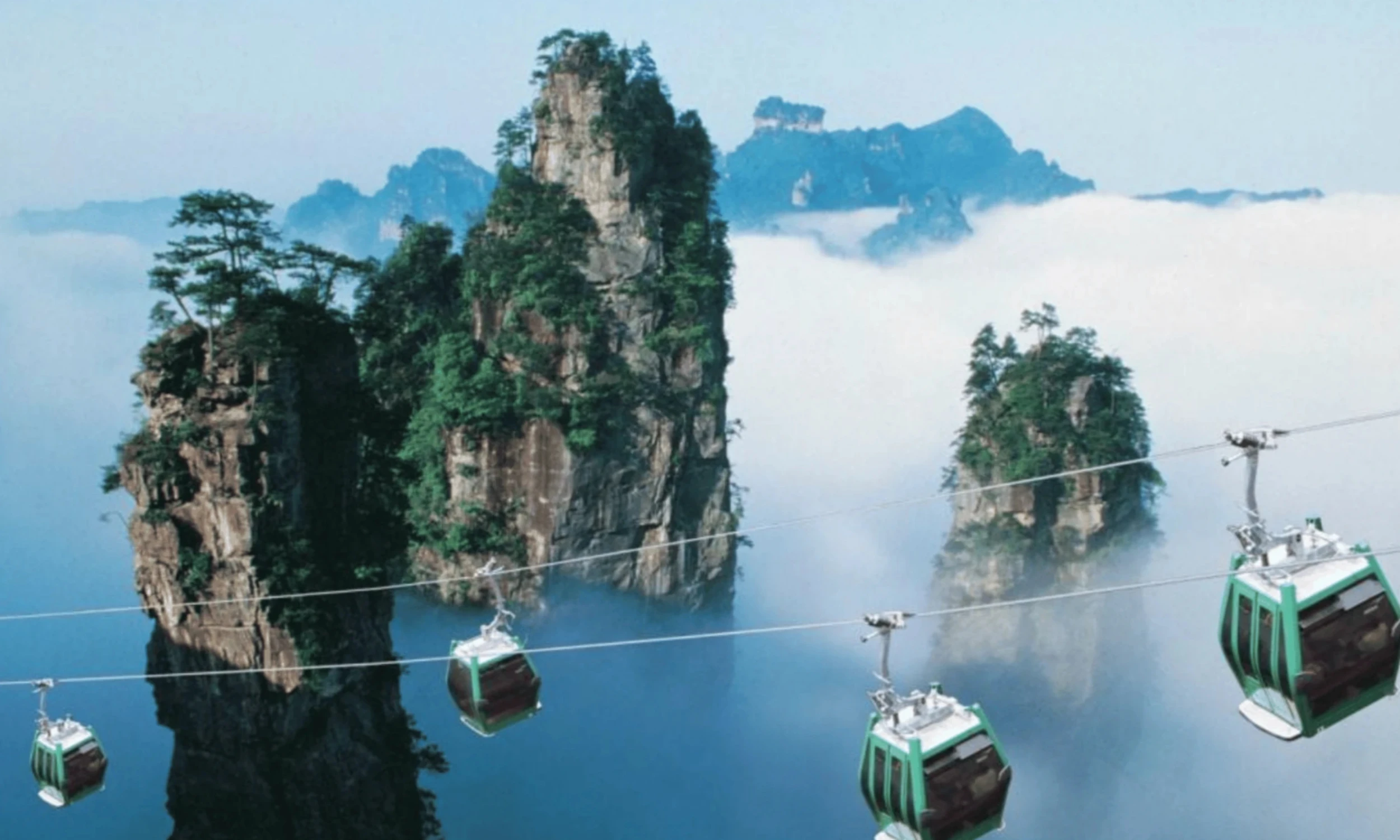
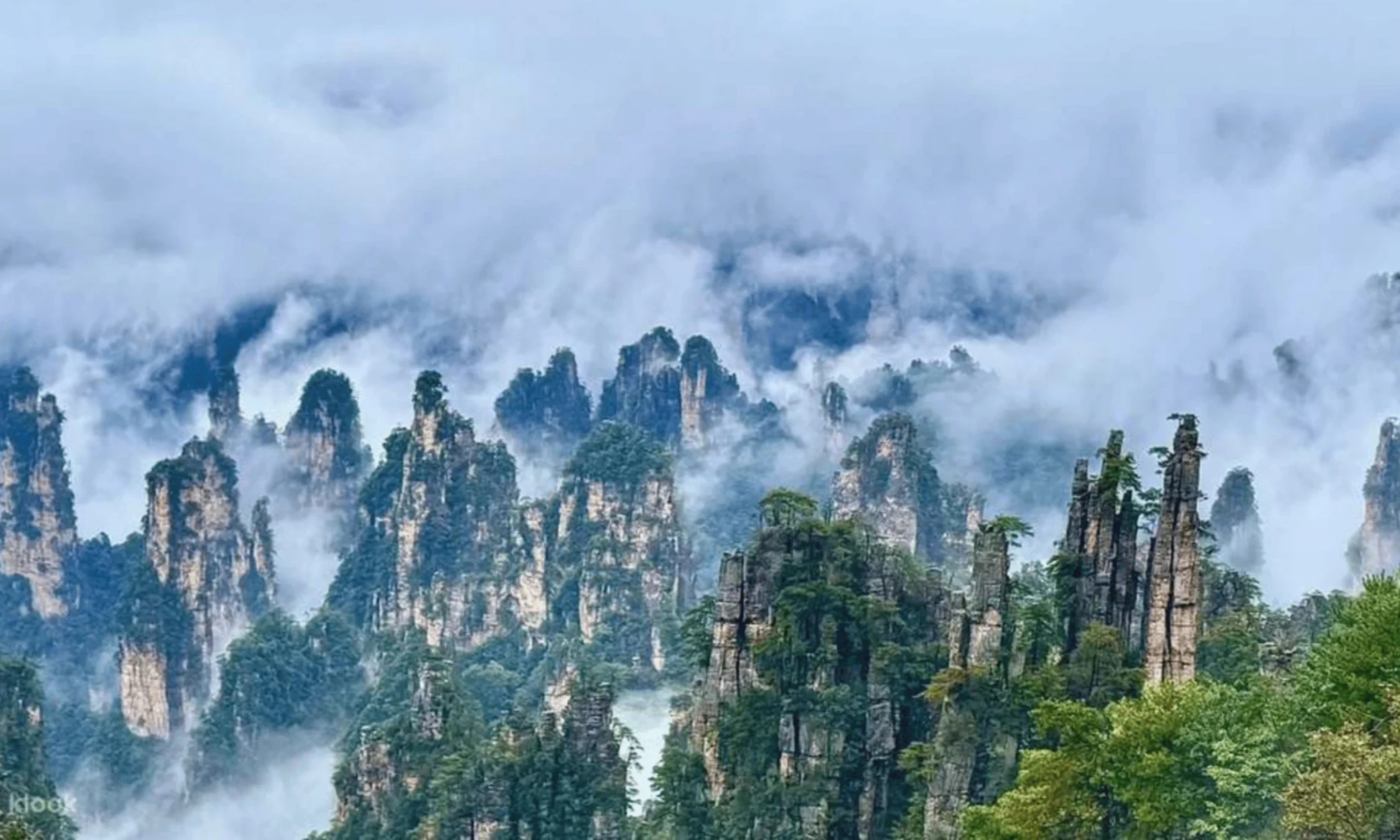
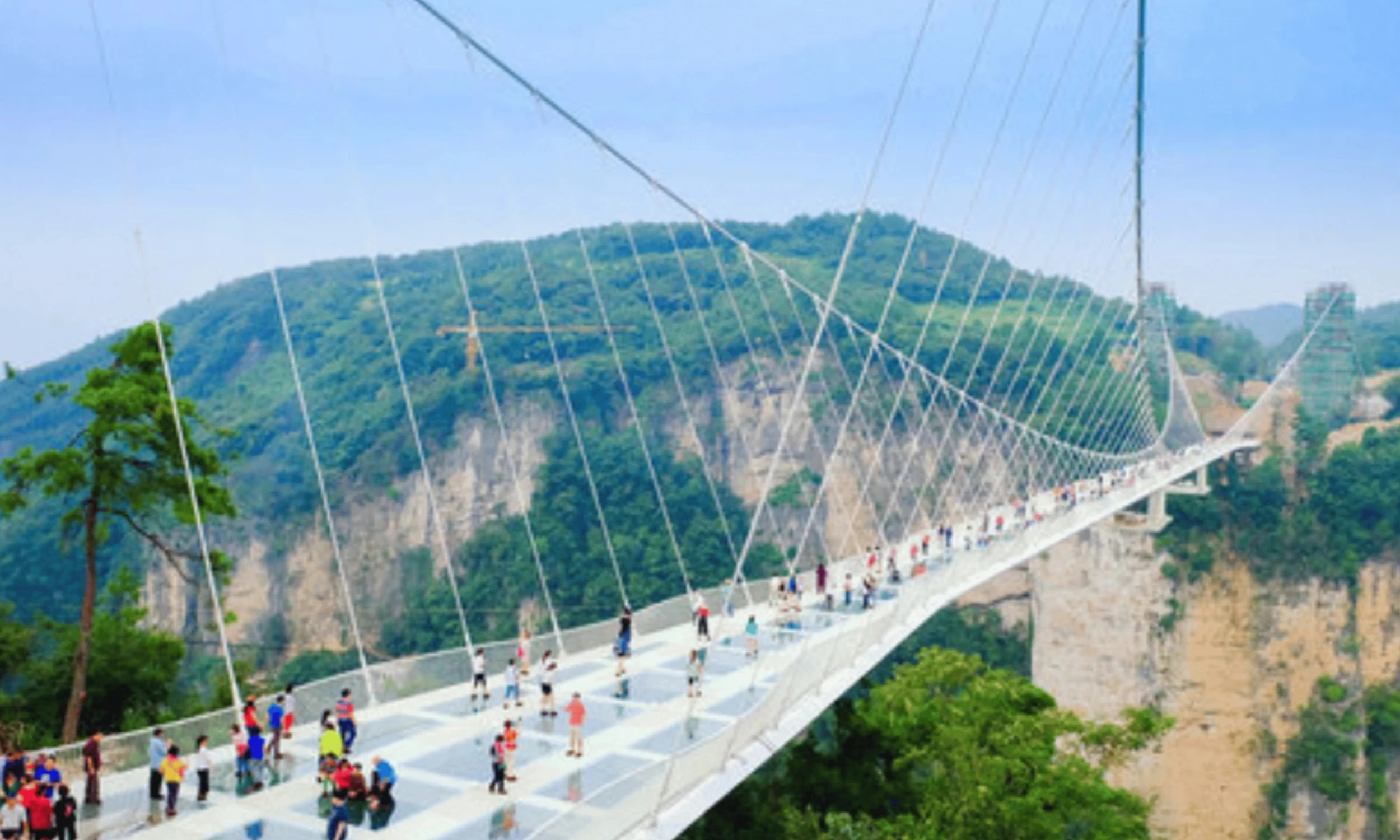
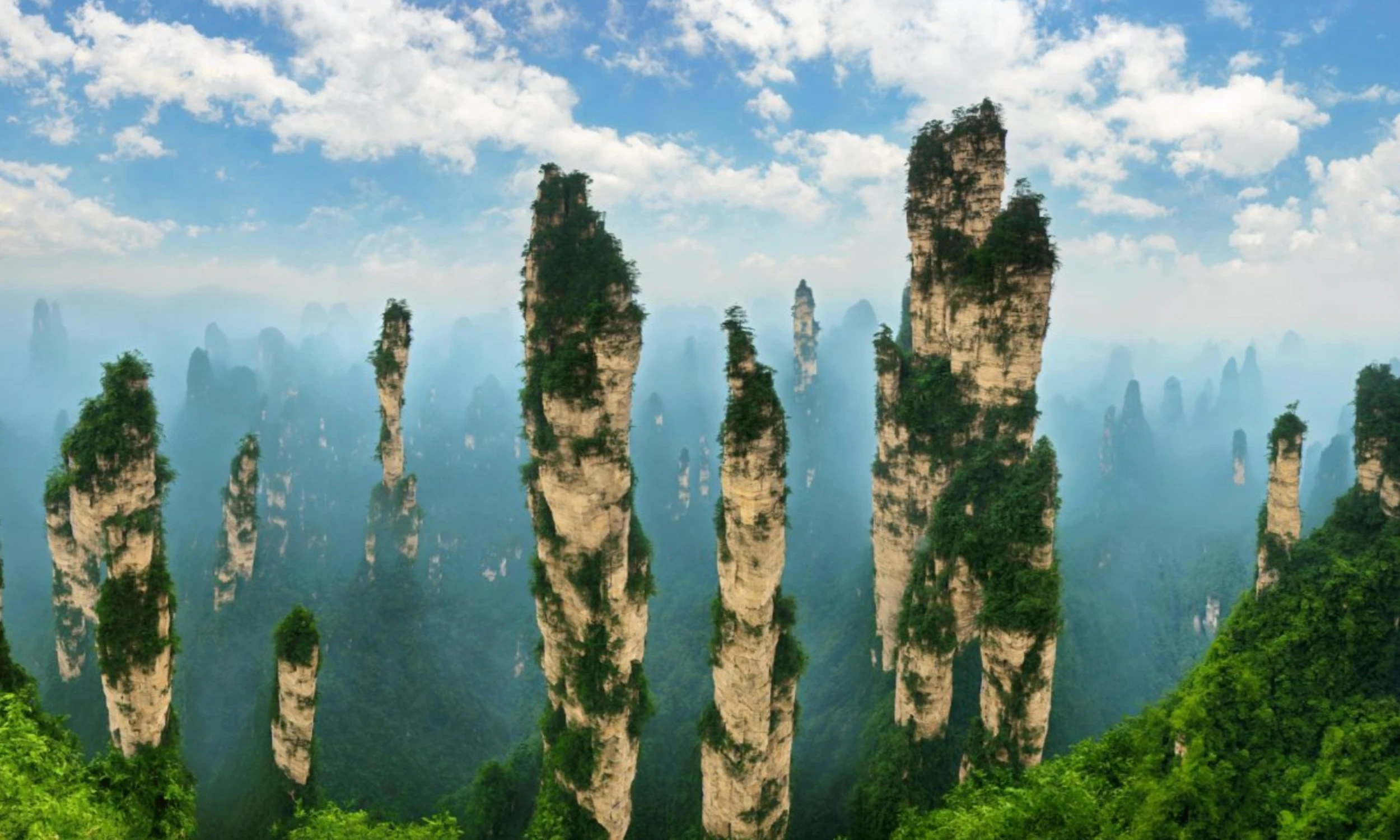
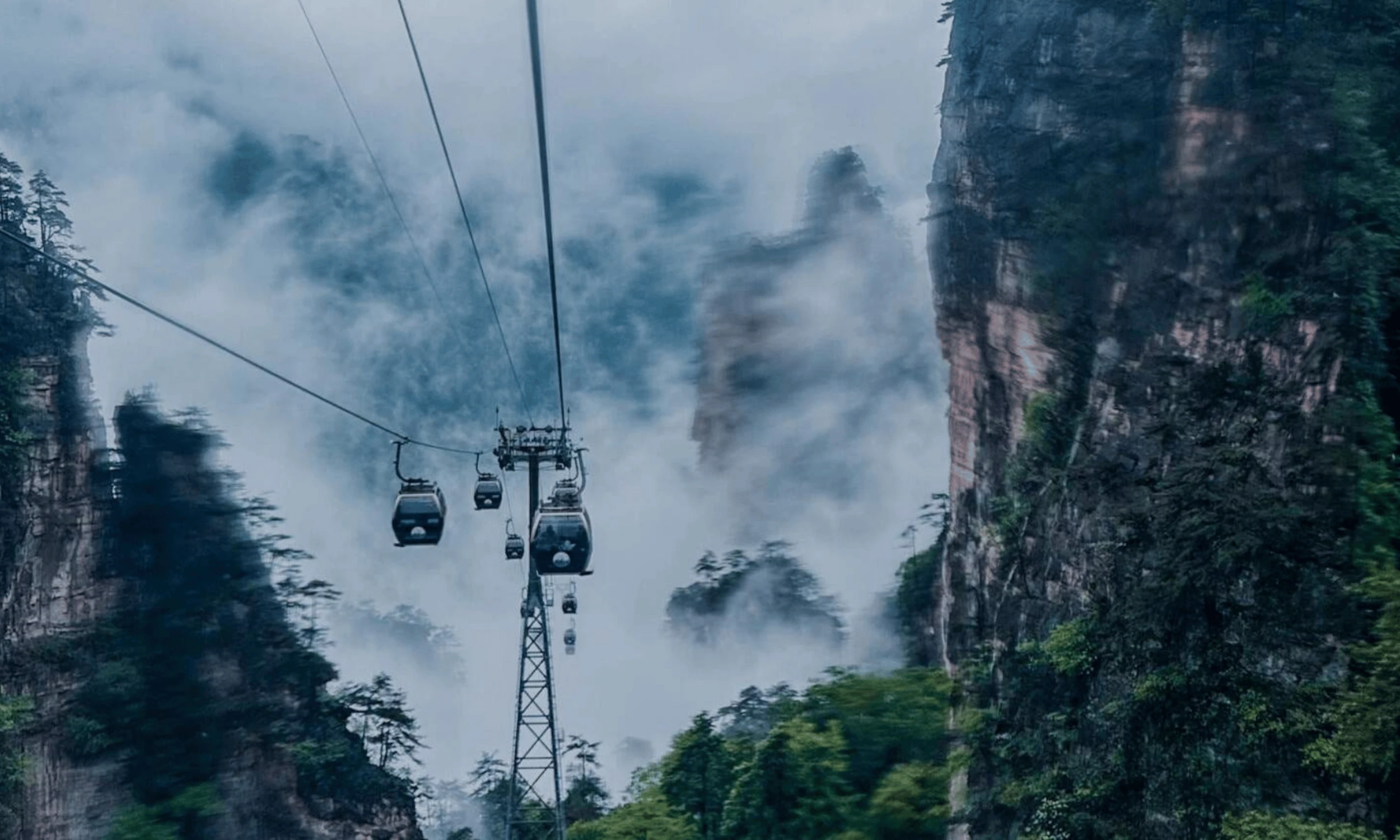
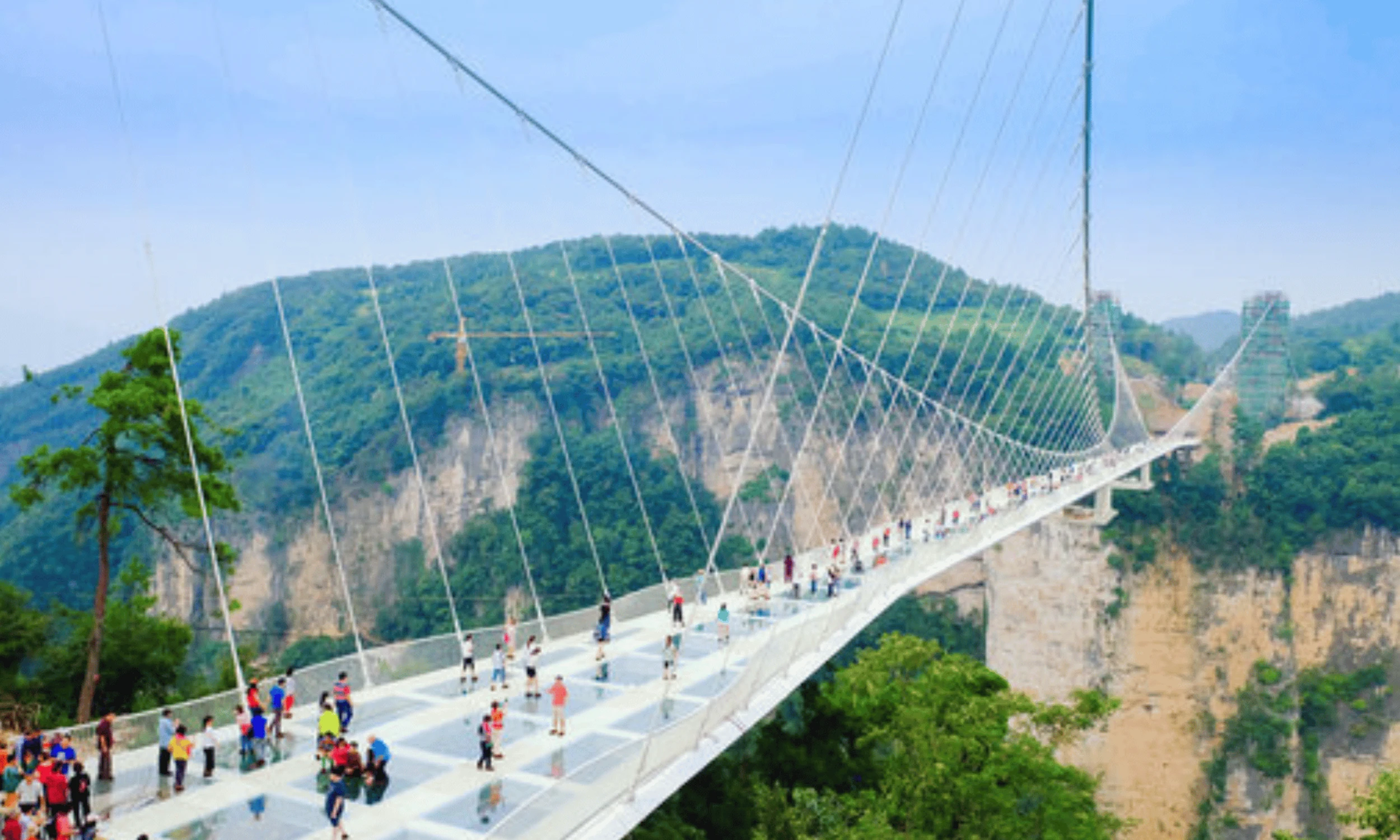
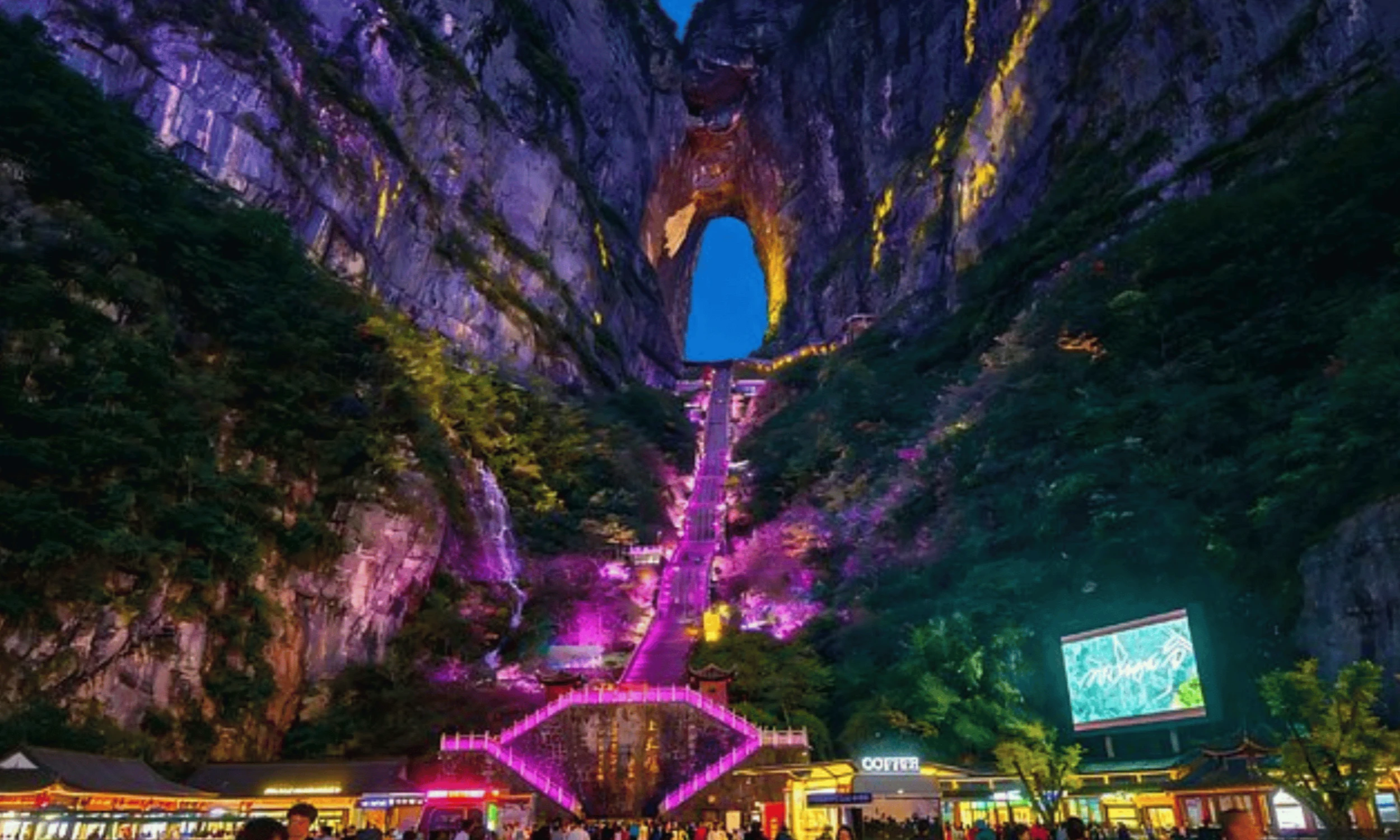
A masterpiece shaped by nature, where the sky seems to rest upon stone pillars. Mountains lost in mist, glass bridges stretched over deep gorges, and a quiet grandeur create a world beyond reality. Every step here is a view, every glance a discovery.
In Zhangjiajie, nature has created a landscape where towering rock formations rise as if cutting through the sky. These mountains inspired the magical world of the film Avatar.
Located about 30–40 km from the center of Zhangjiajie, within the Zhangjiajie National Forest Park, this place feels majestic, silent, and mysterious—where everything seems unreal, and every moment unforgettable.
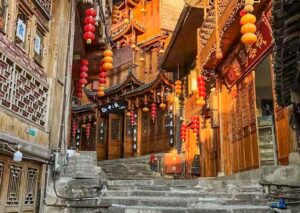
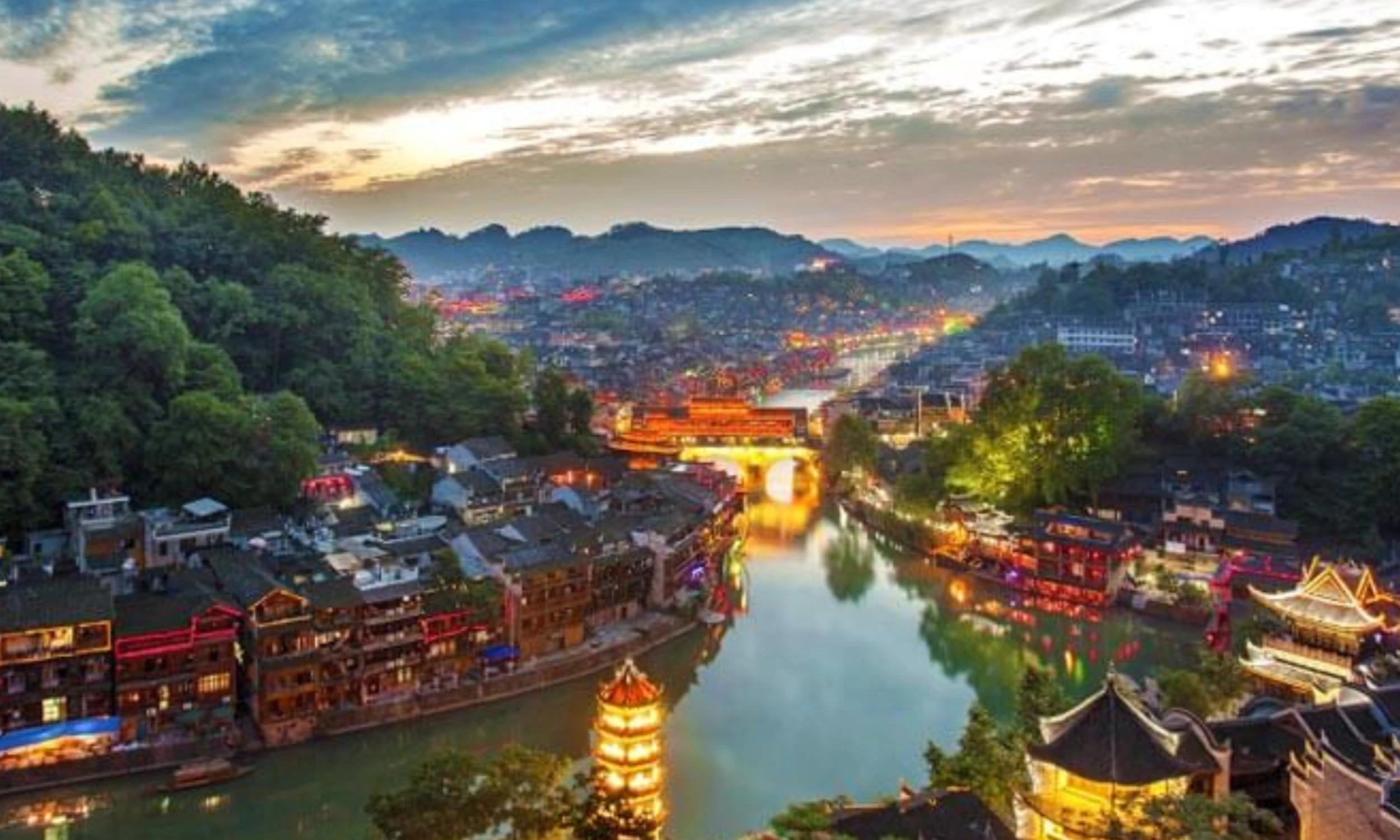
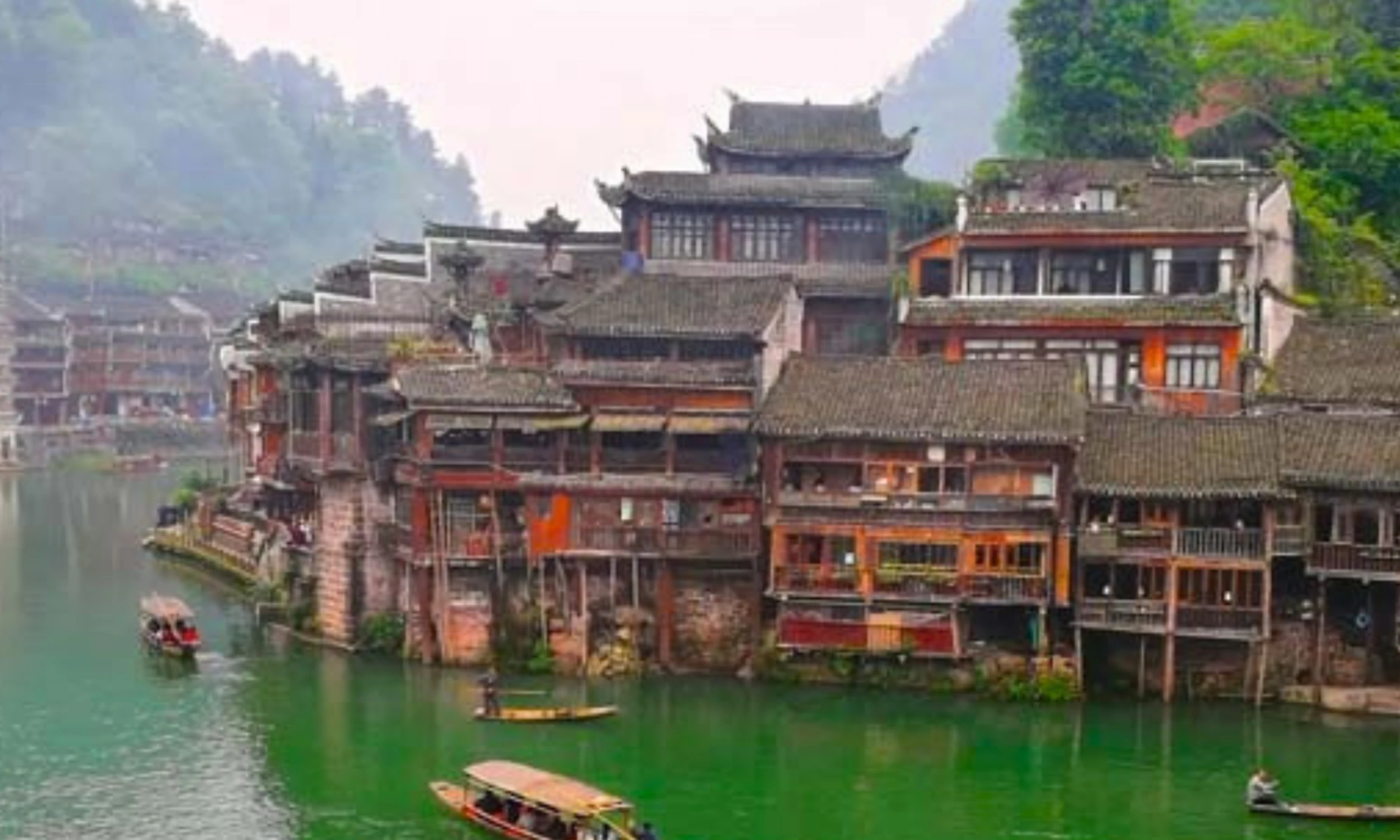
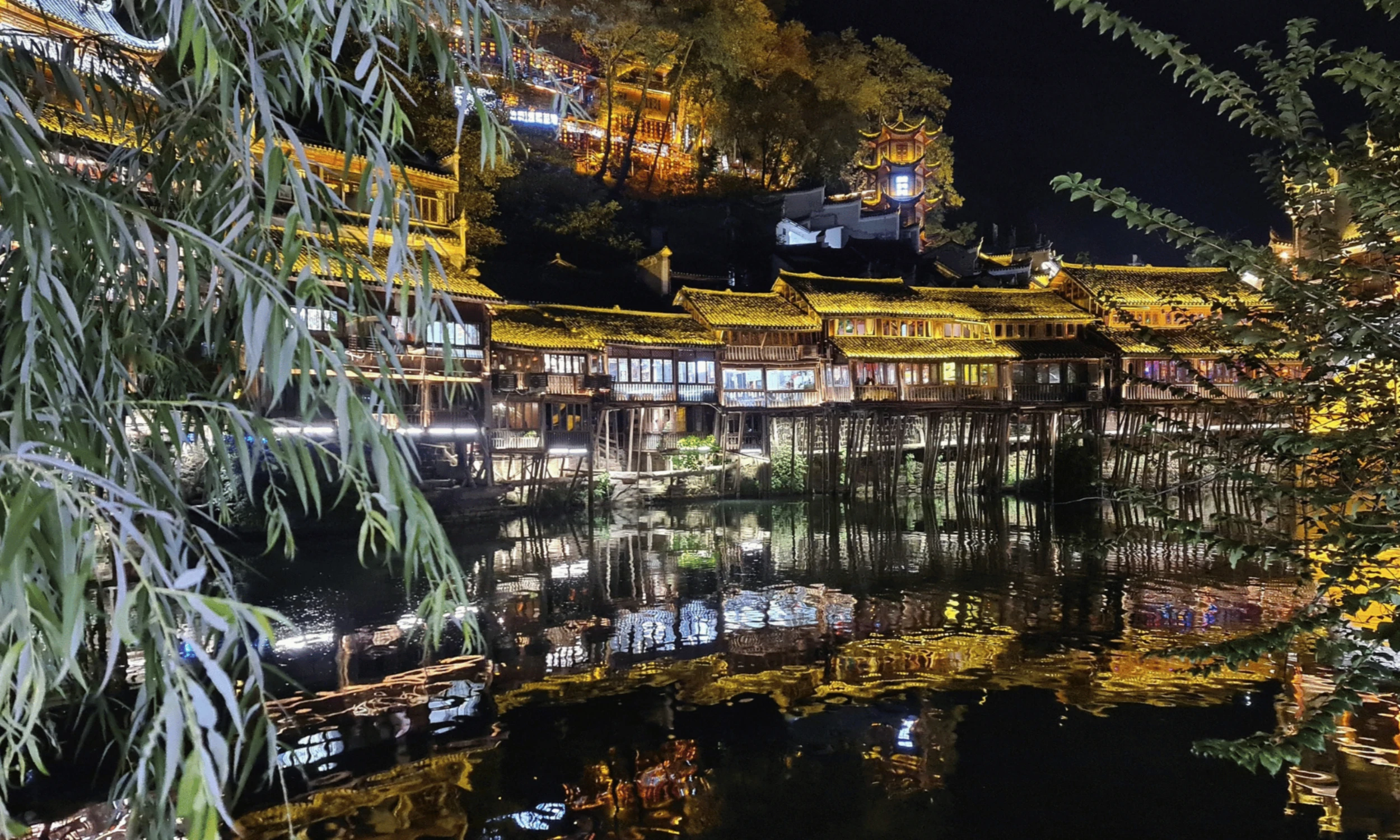
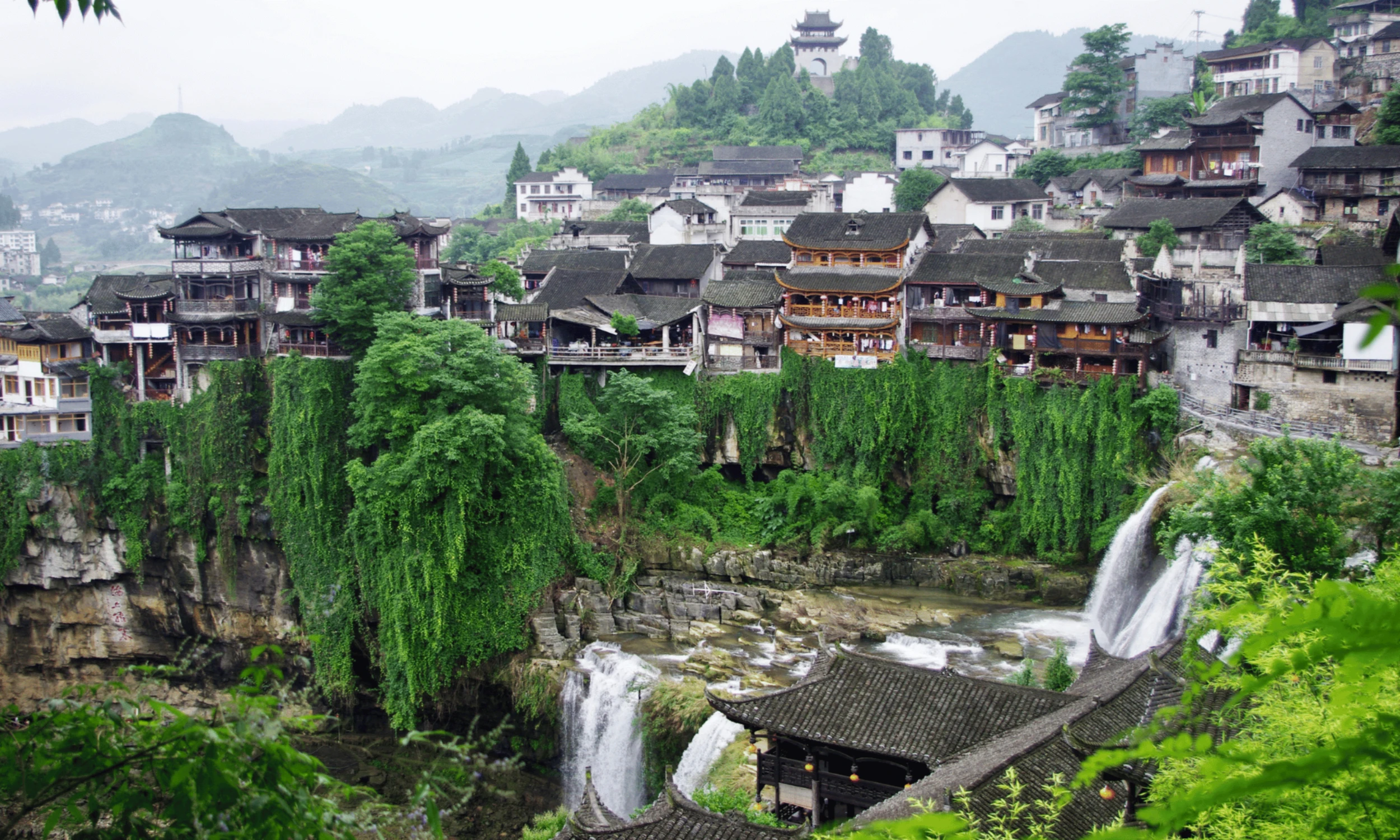
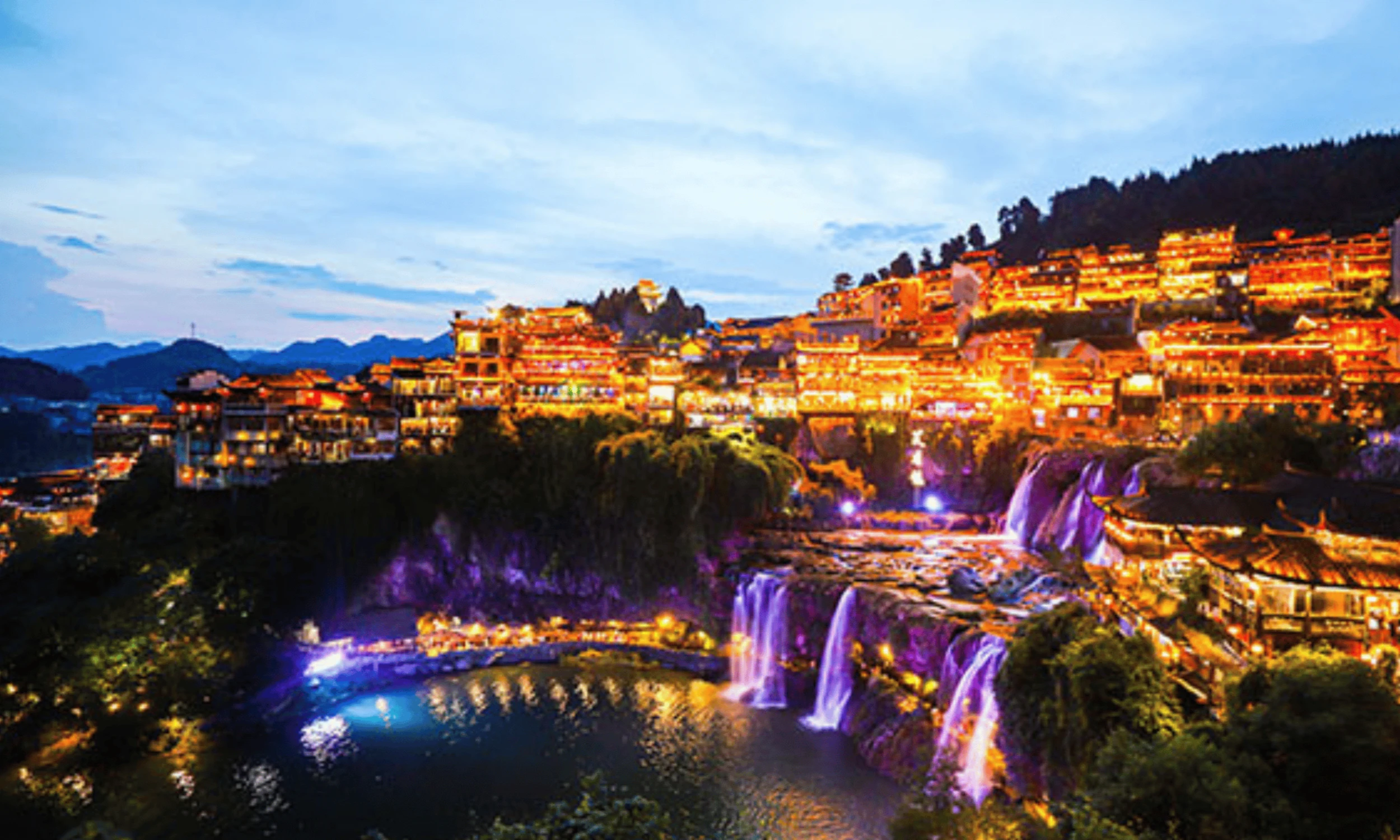
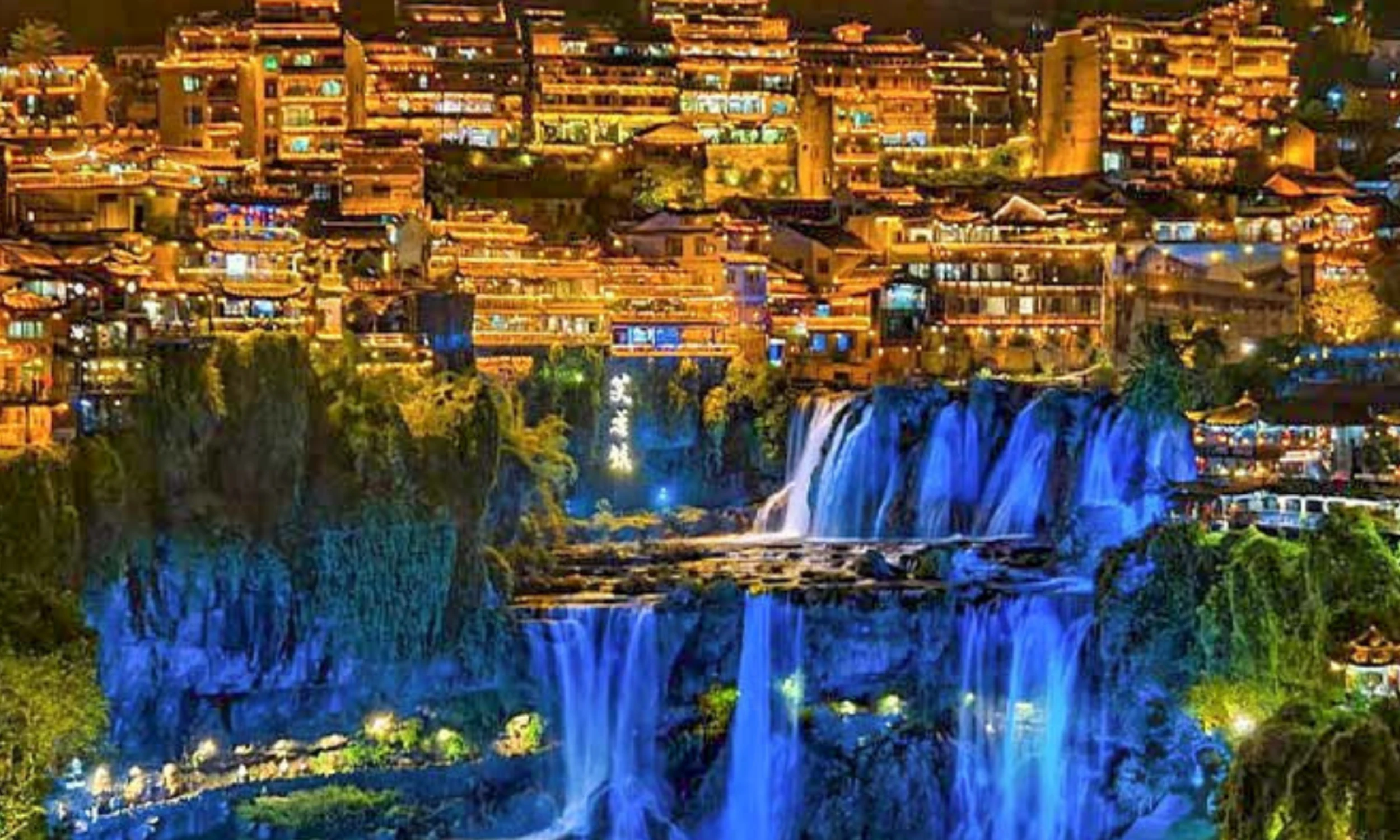
A fairytale-like place that seems to hang on the edge of a waterfall. The gentle sound of water becomes the only measure of time. Ancient wooden houses, glowing lanterns in the evening, and deep tranquility create an atmosphere where you simply want to pause and live in the moment.
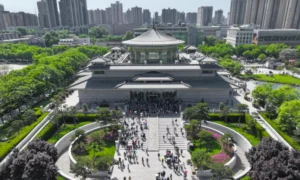
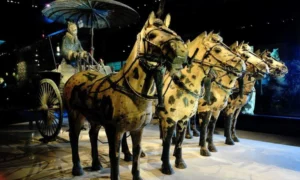
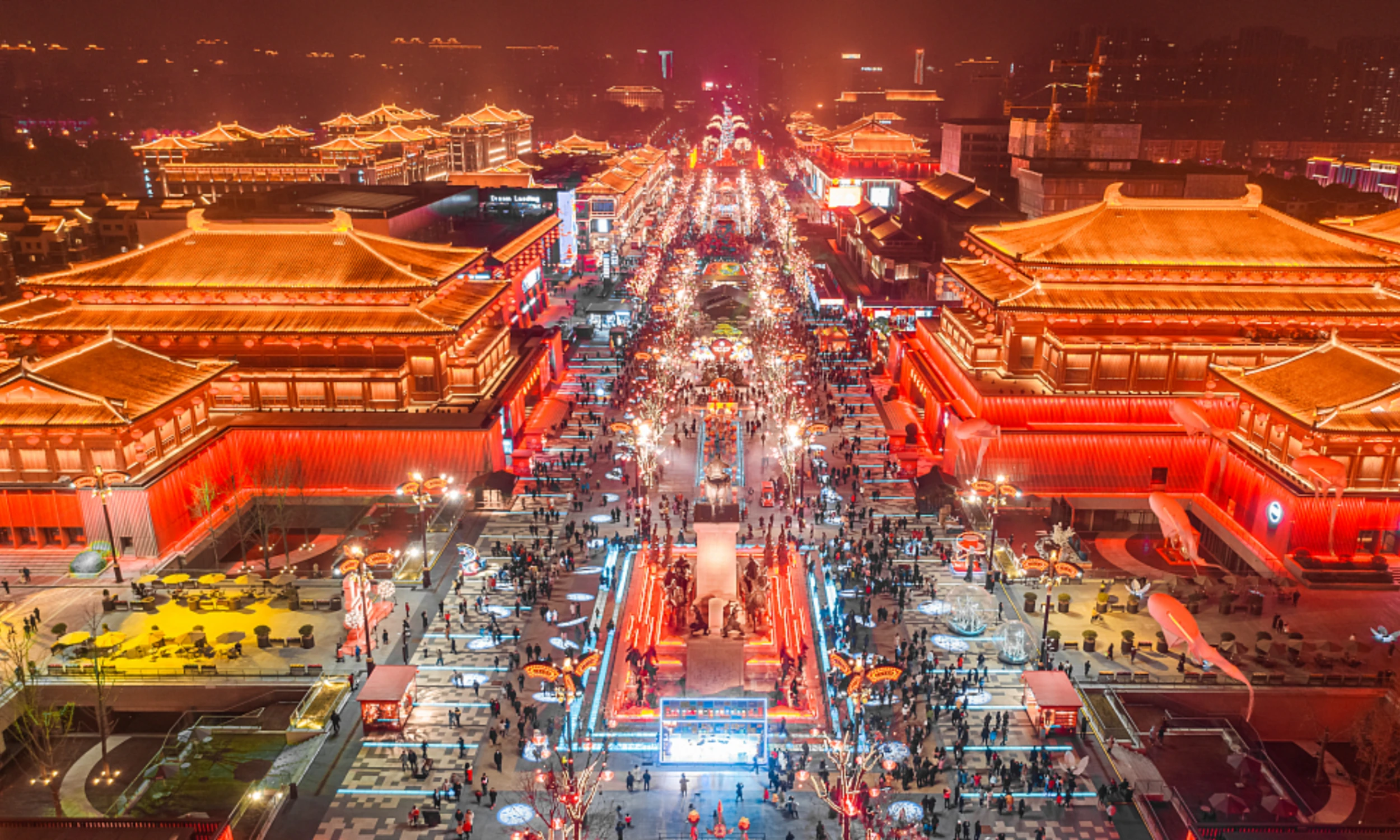
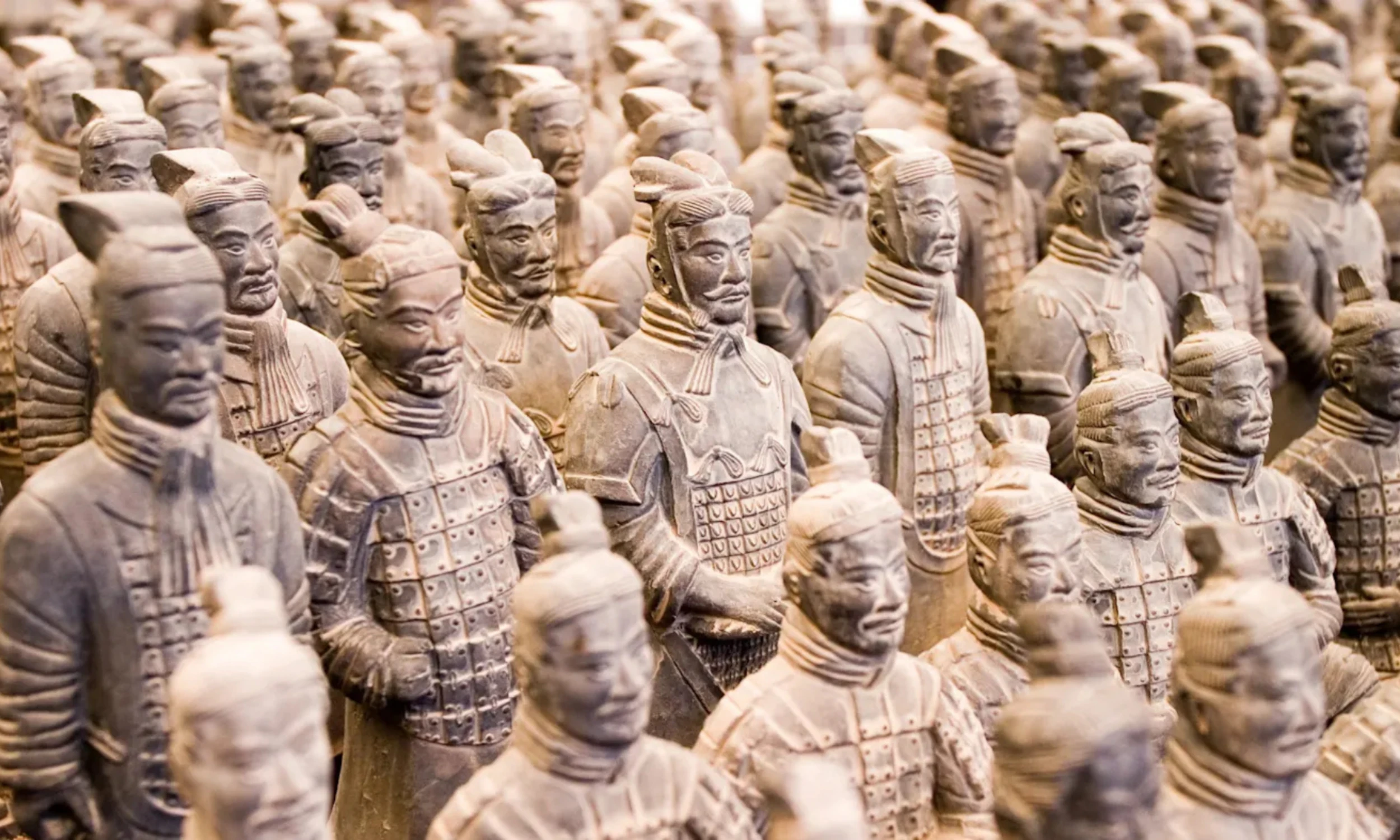
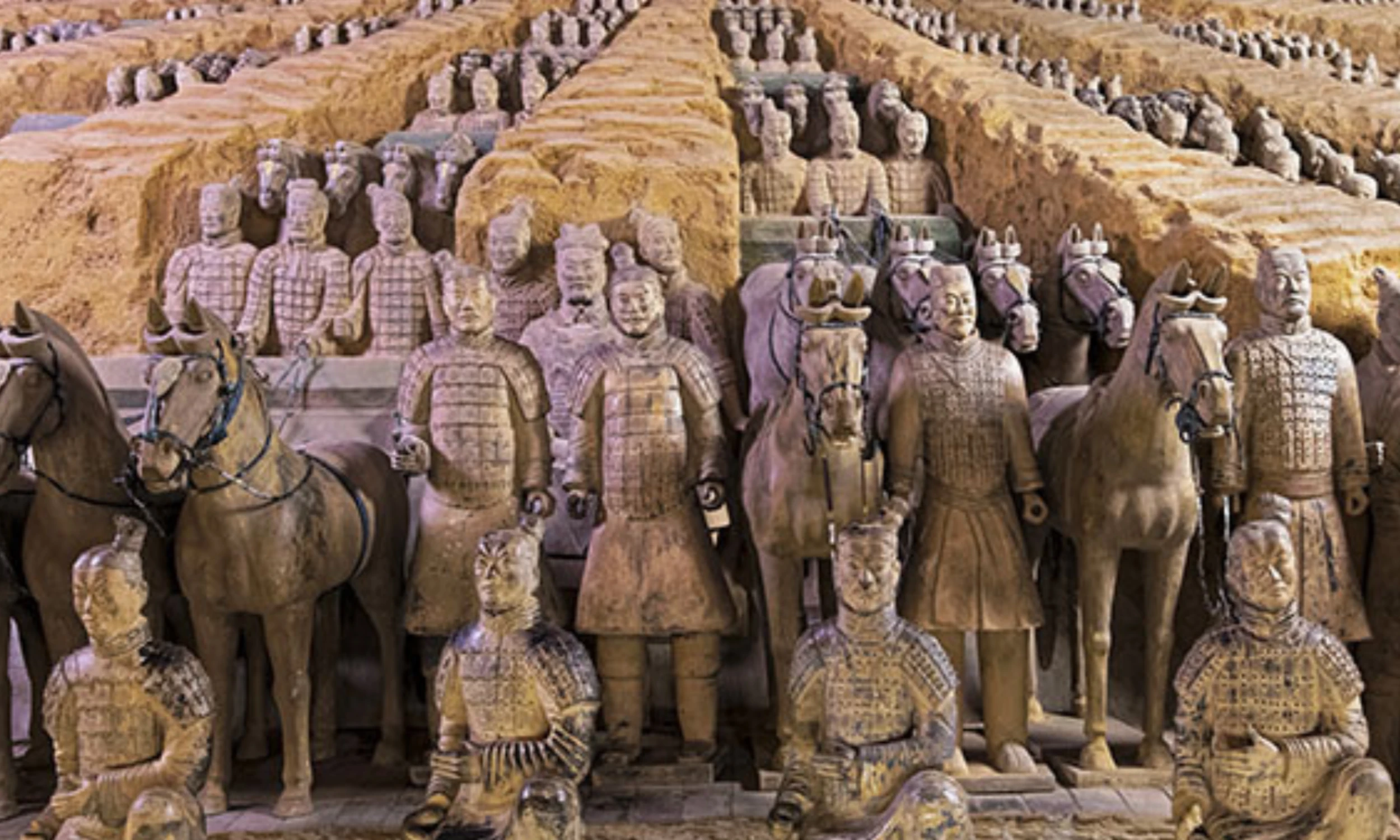
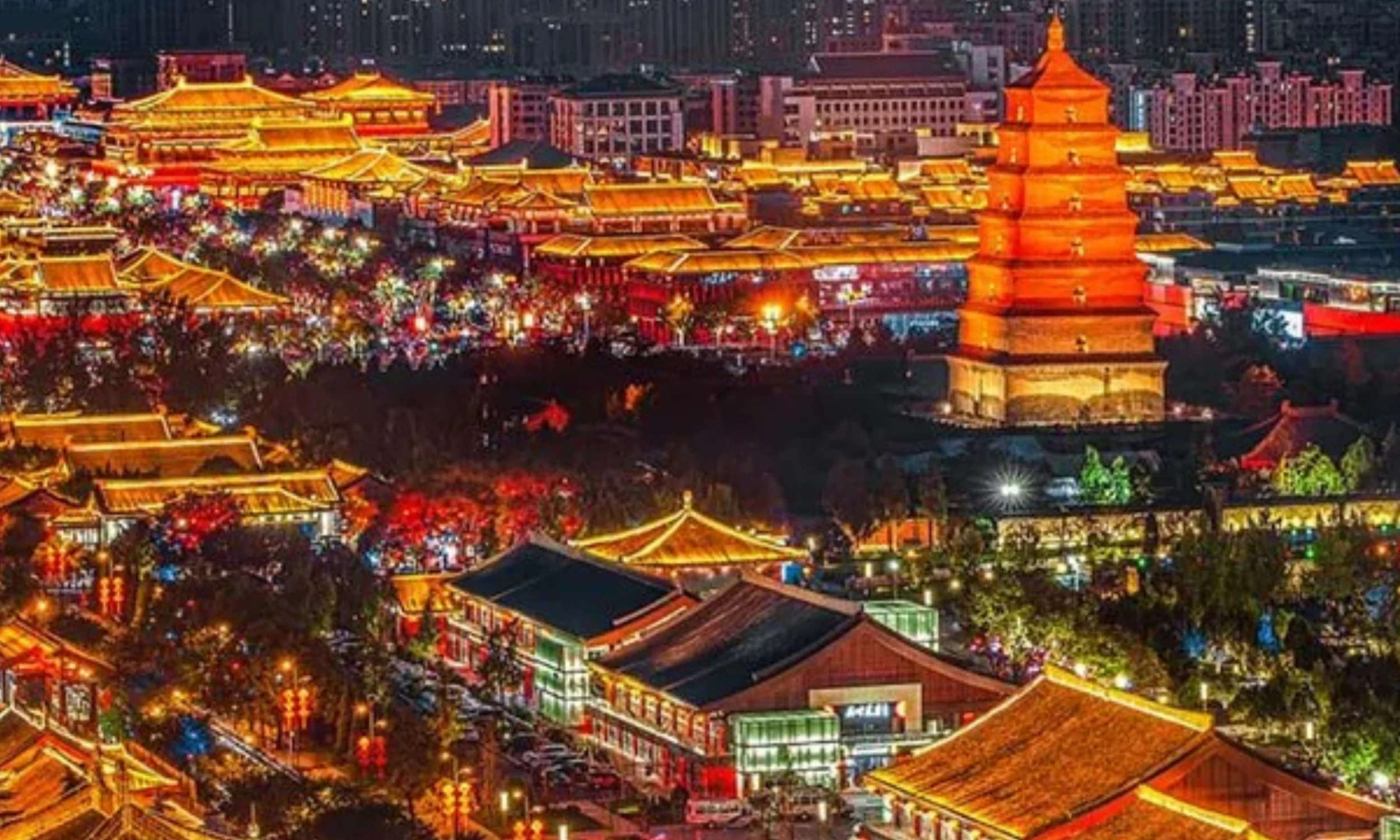
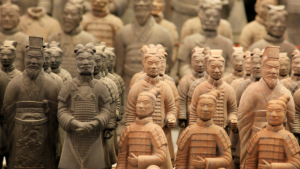
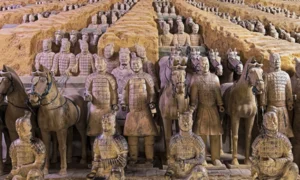
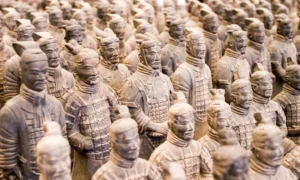
A city where history is not told, but lived in every stone. You will encounter the legendary Terracotta Army—thousands of silent soldiers guarding the secrets of an empire for centuries. Within the ancient city walls, you’ll feel the breath of a powerful past and the true greatness of China.
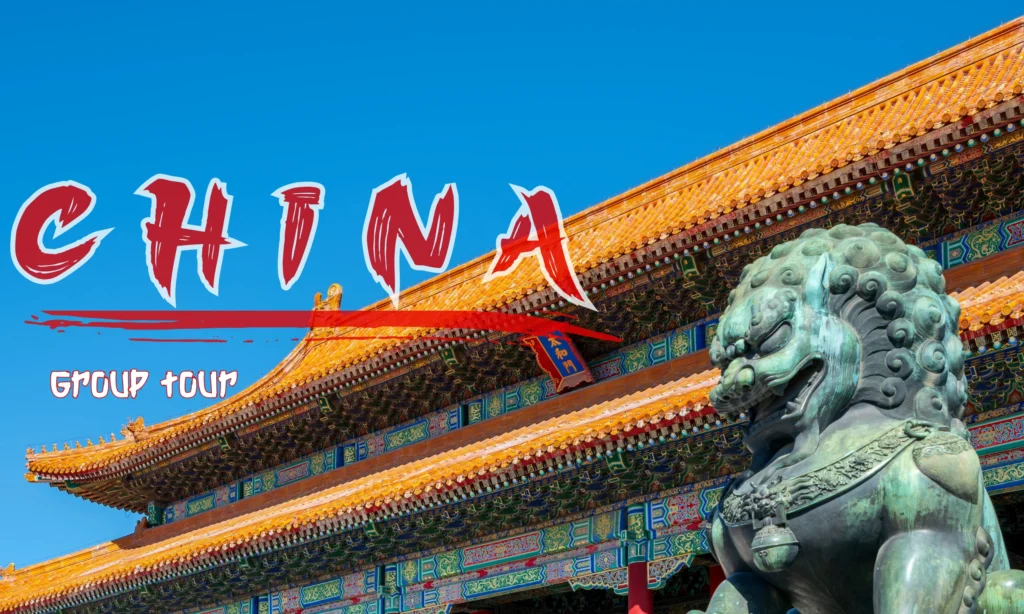
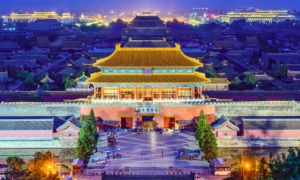
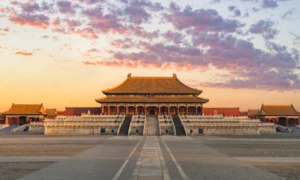
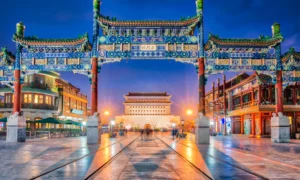
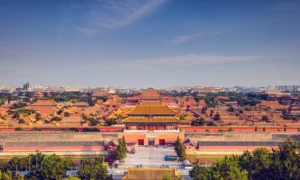
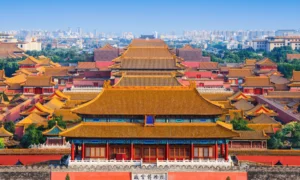
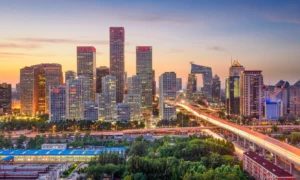
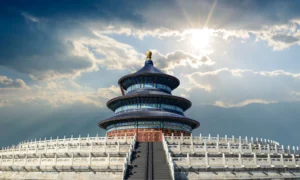
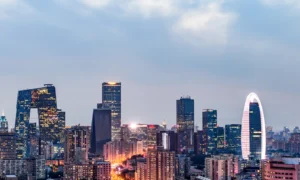
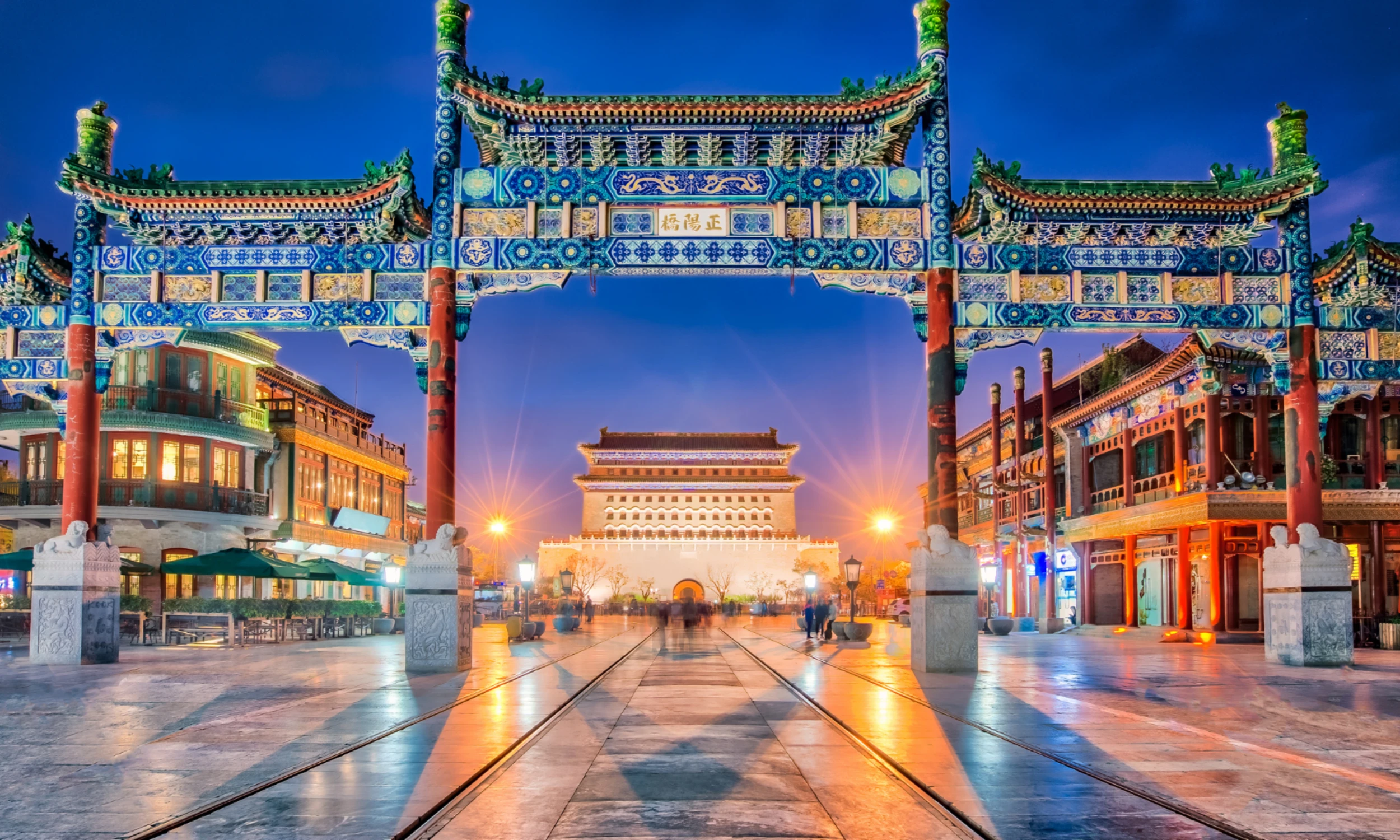
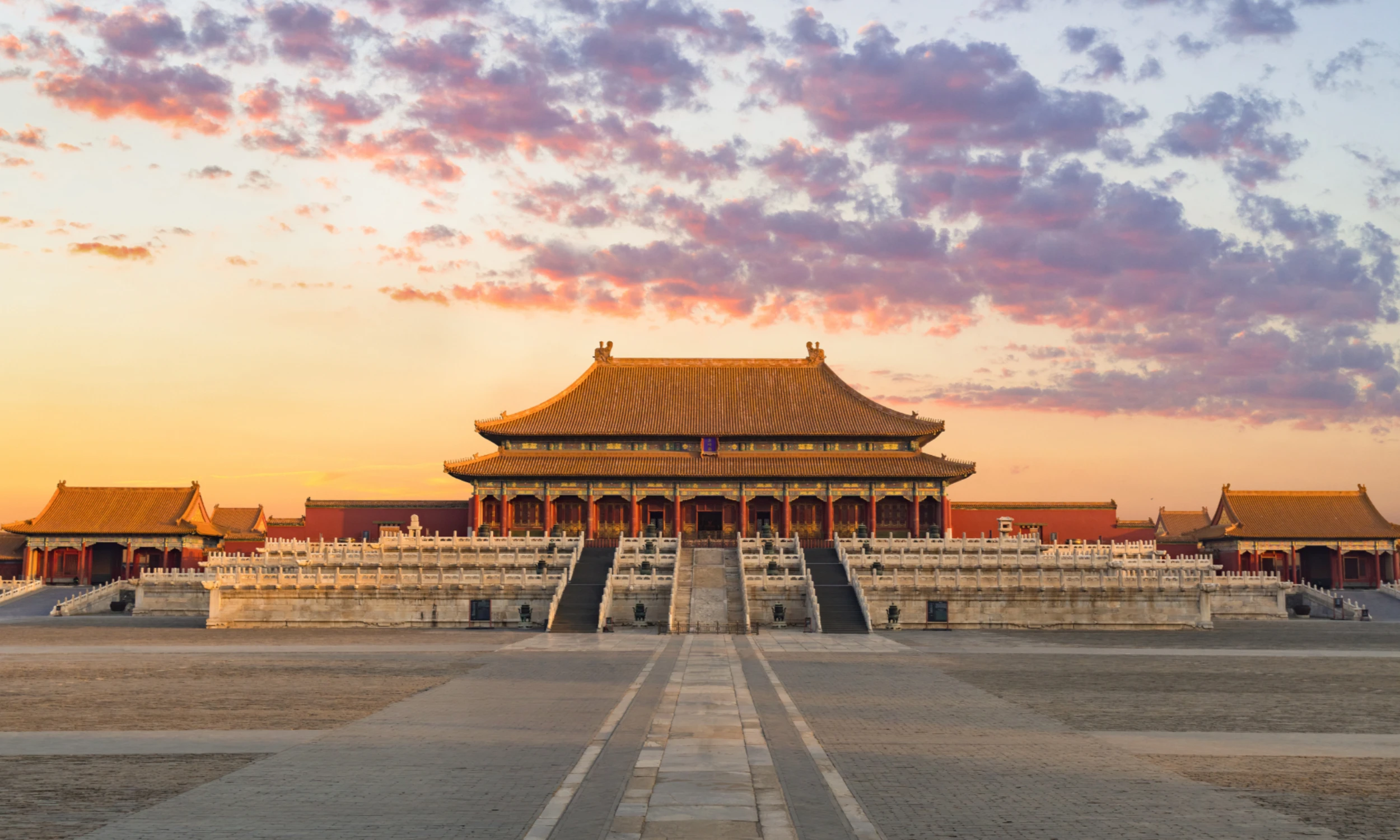
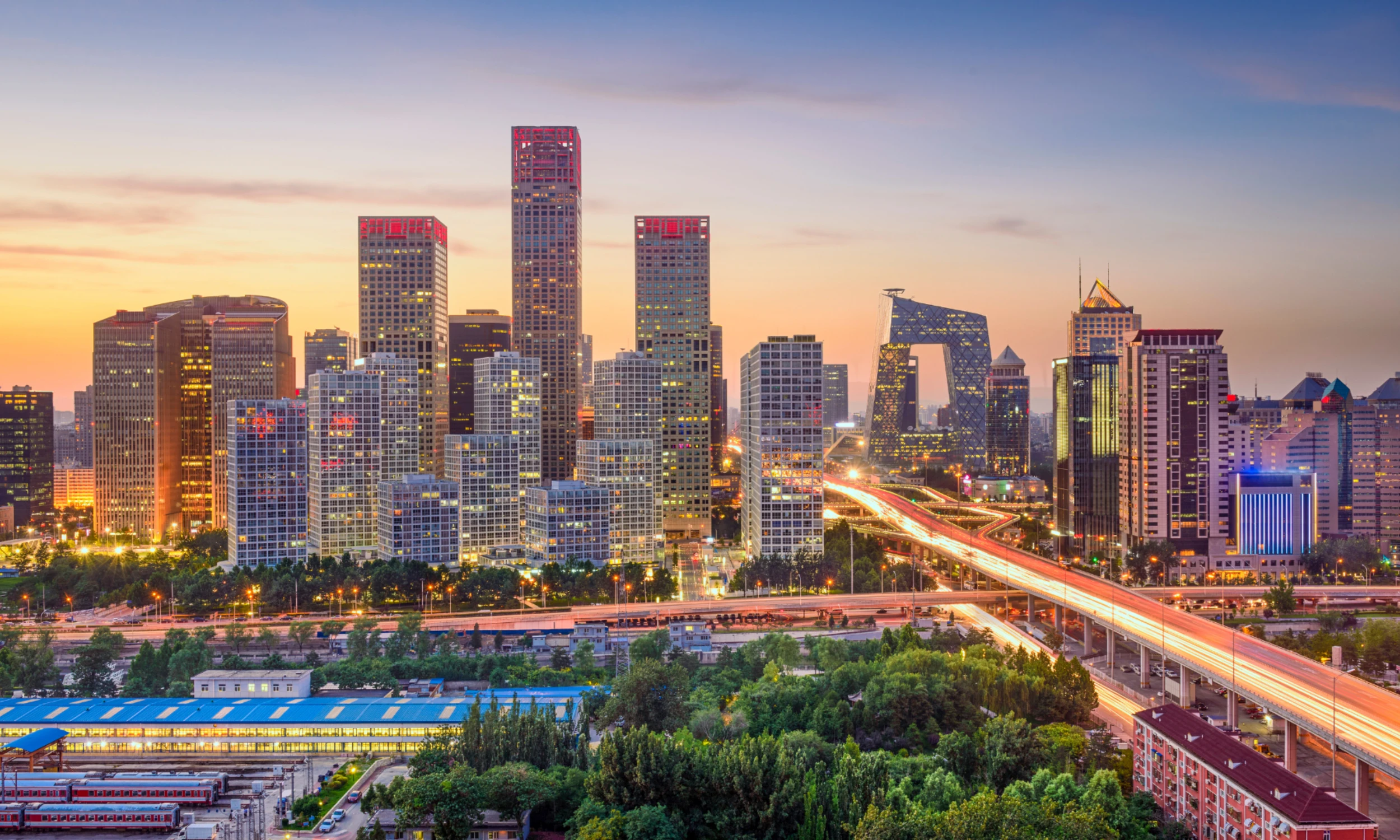
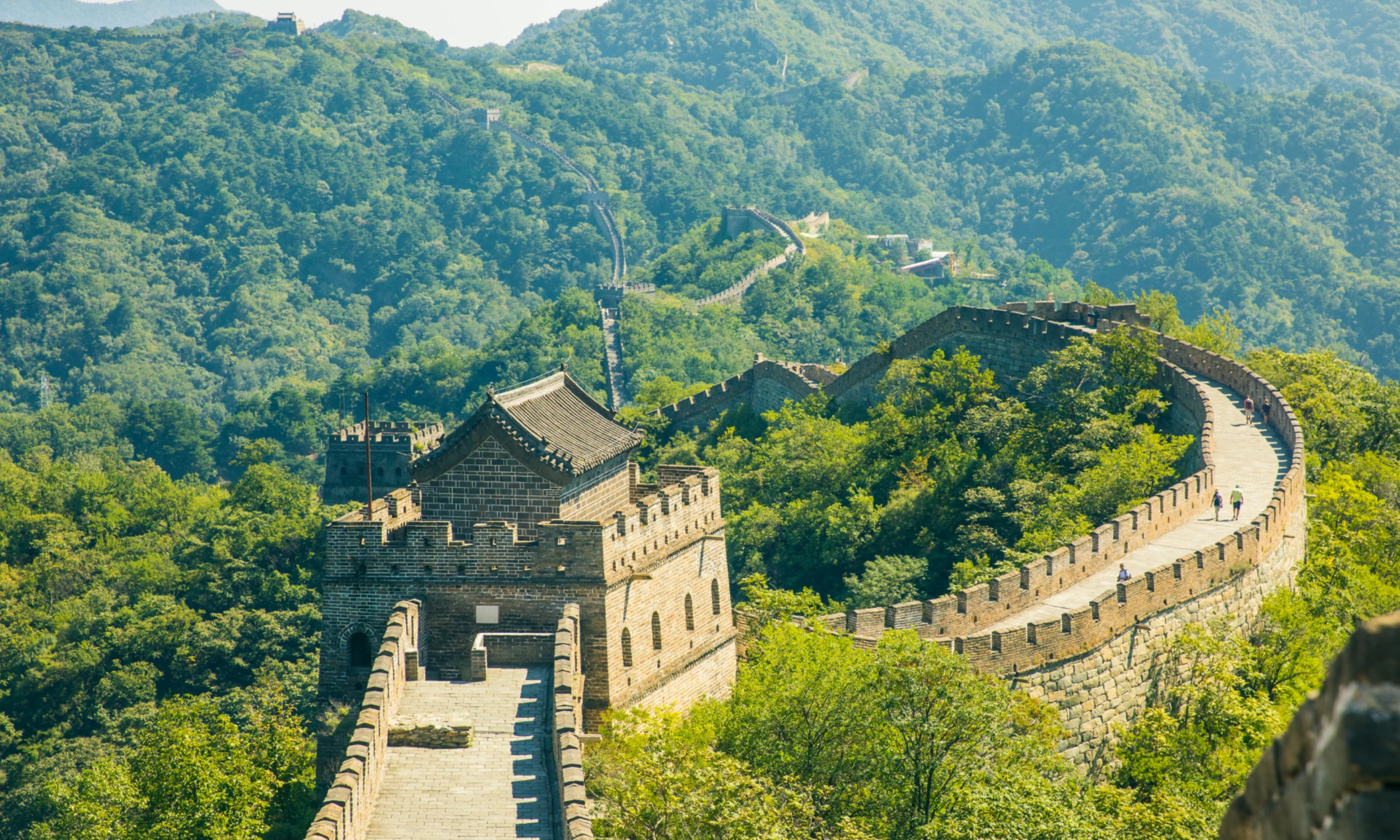
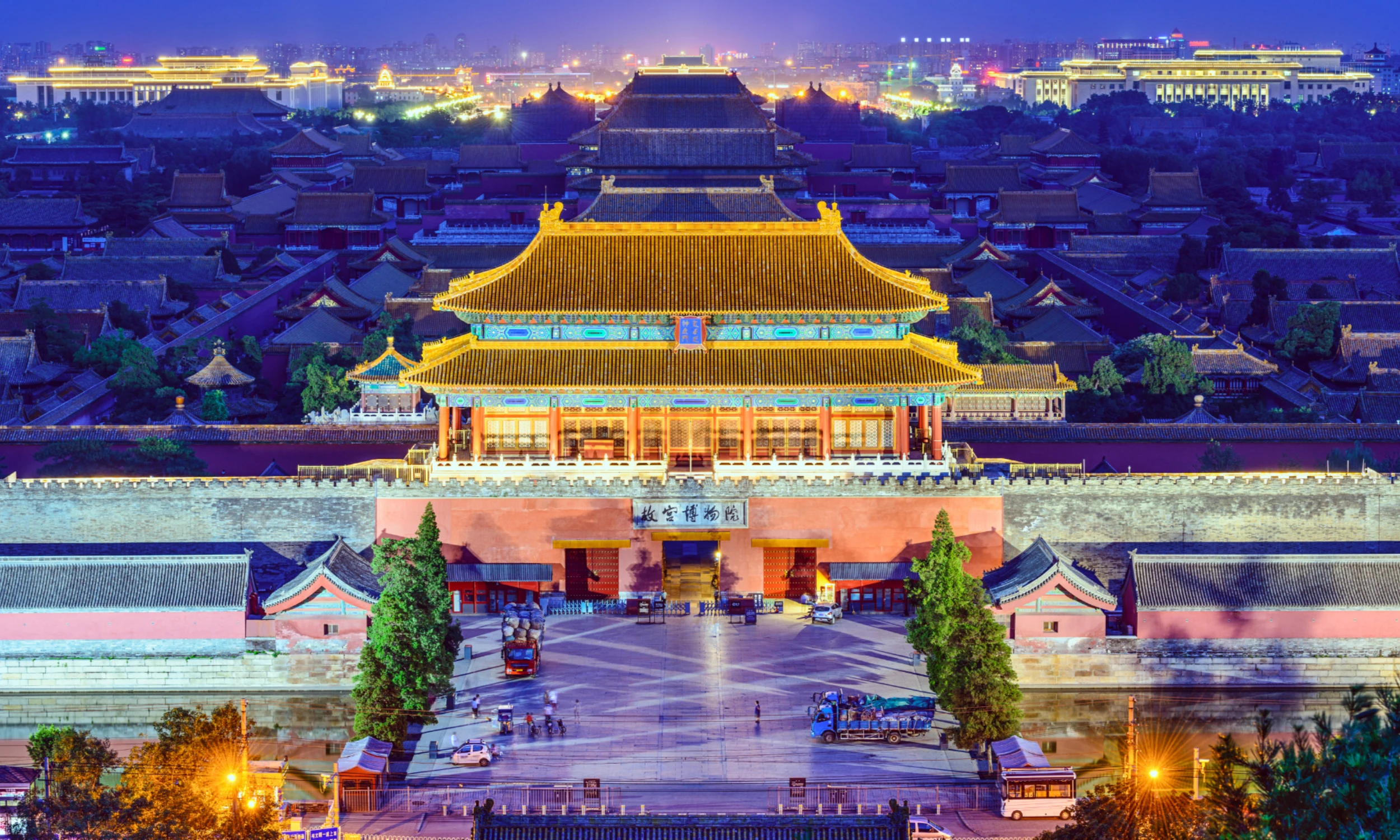
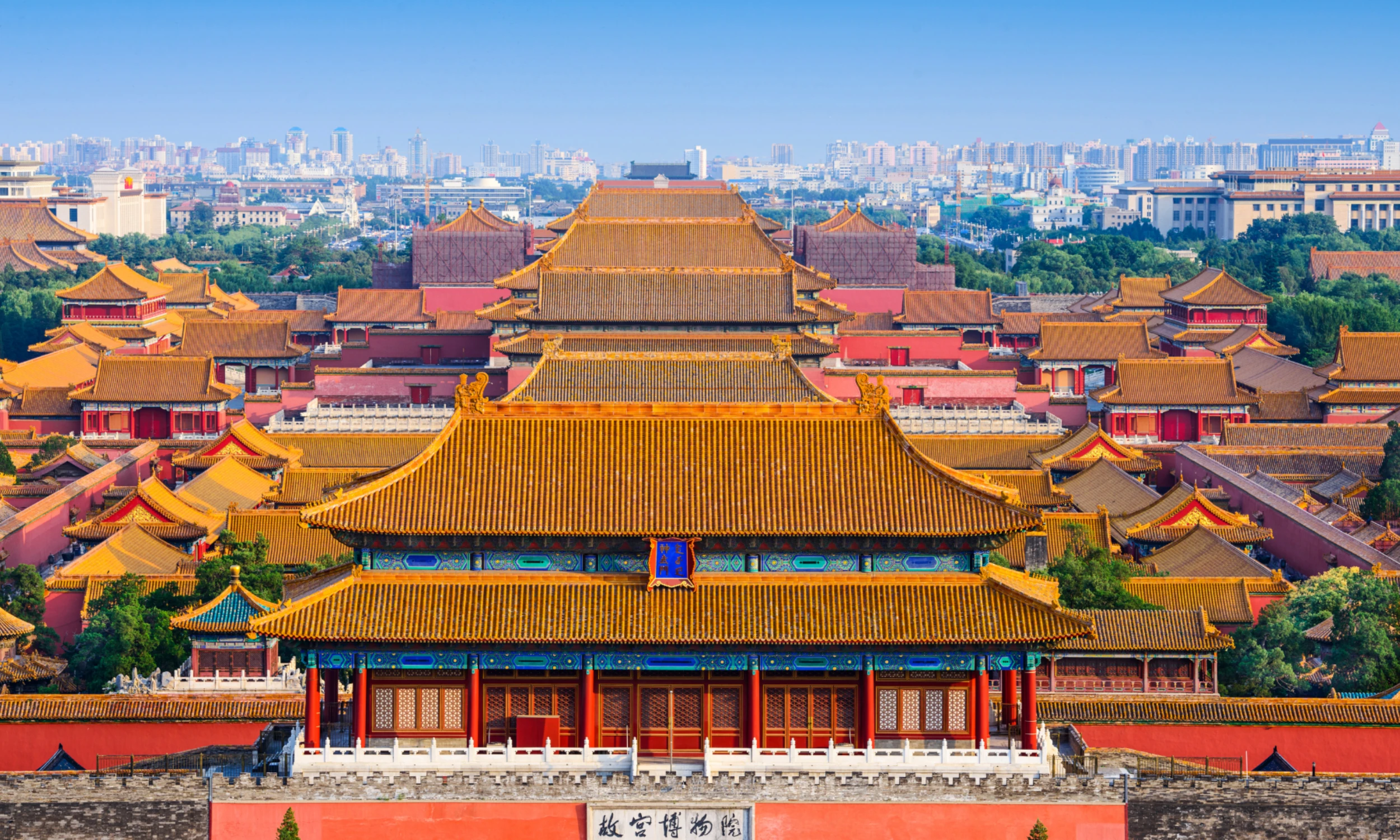
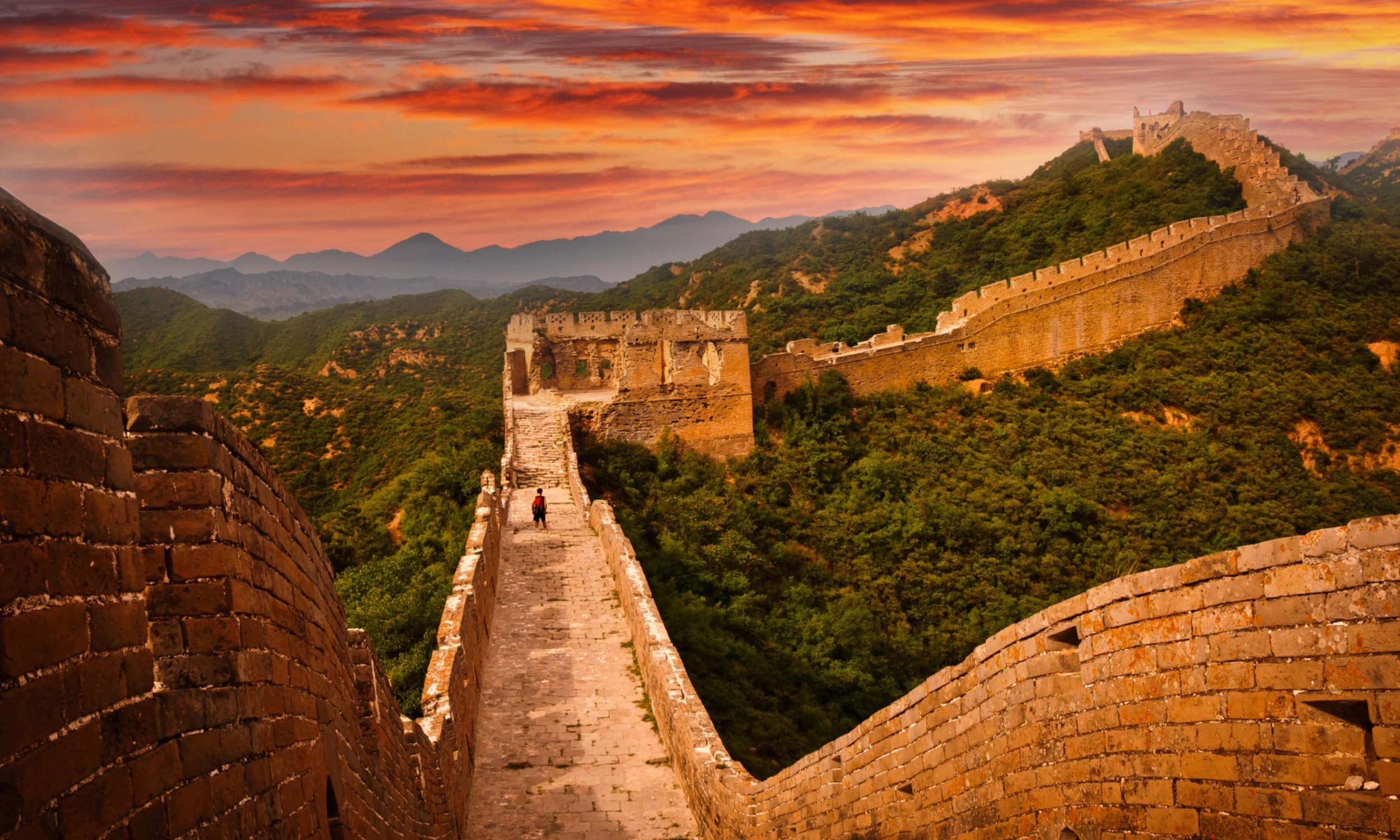
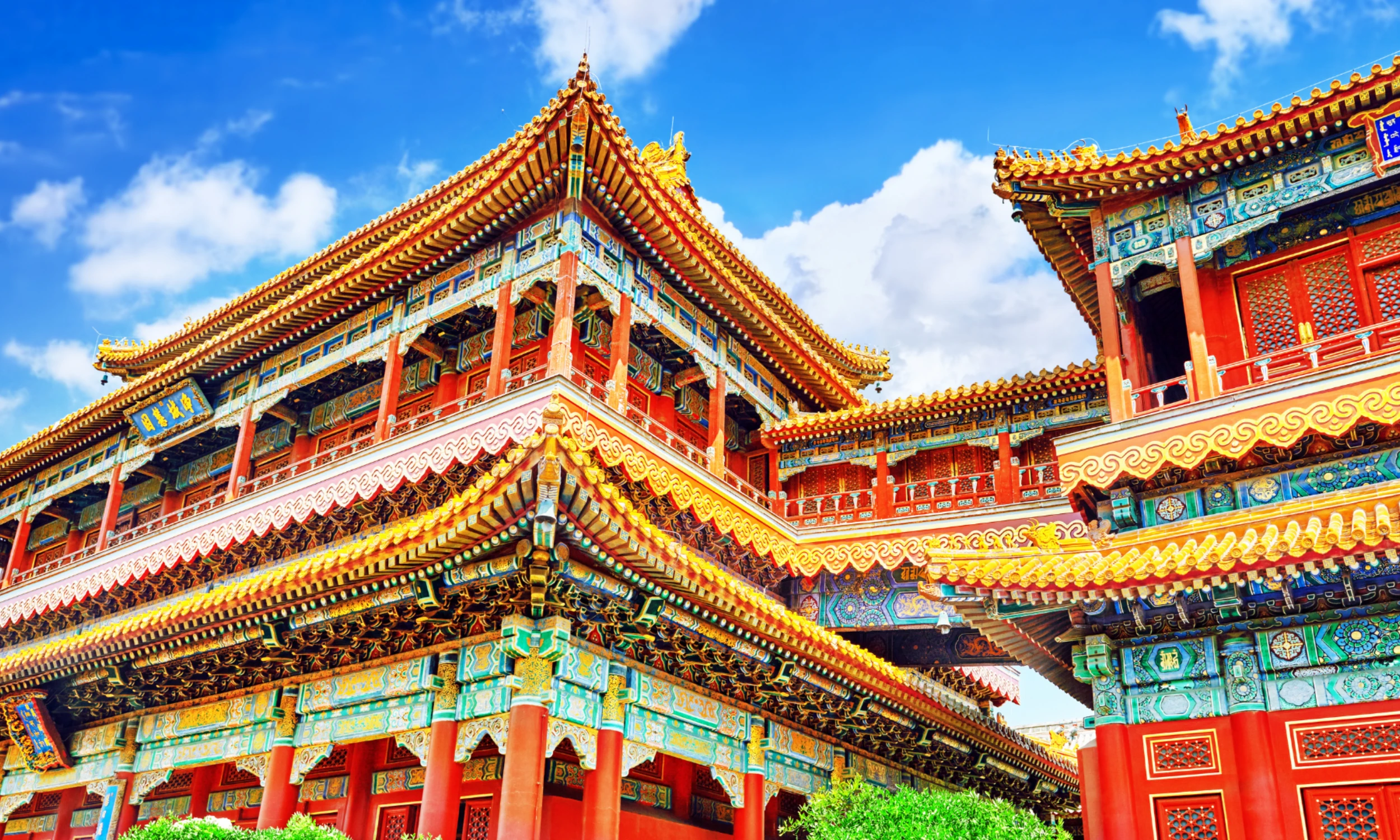
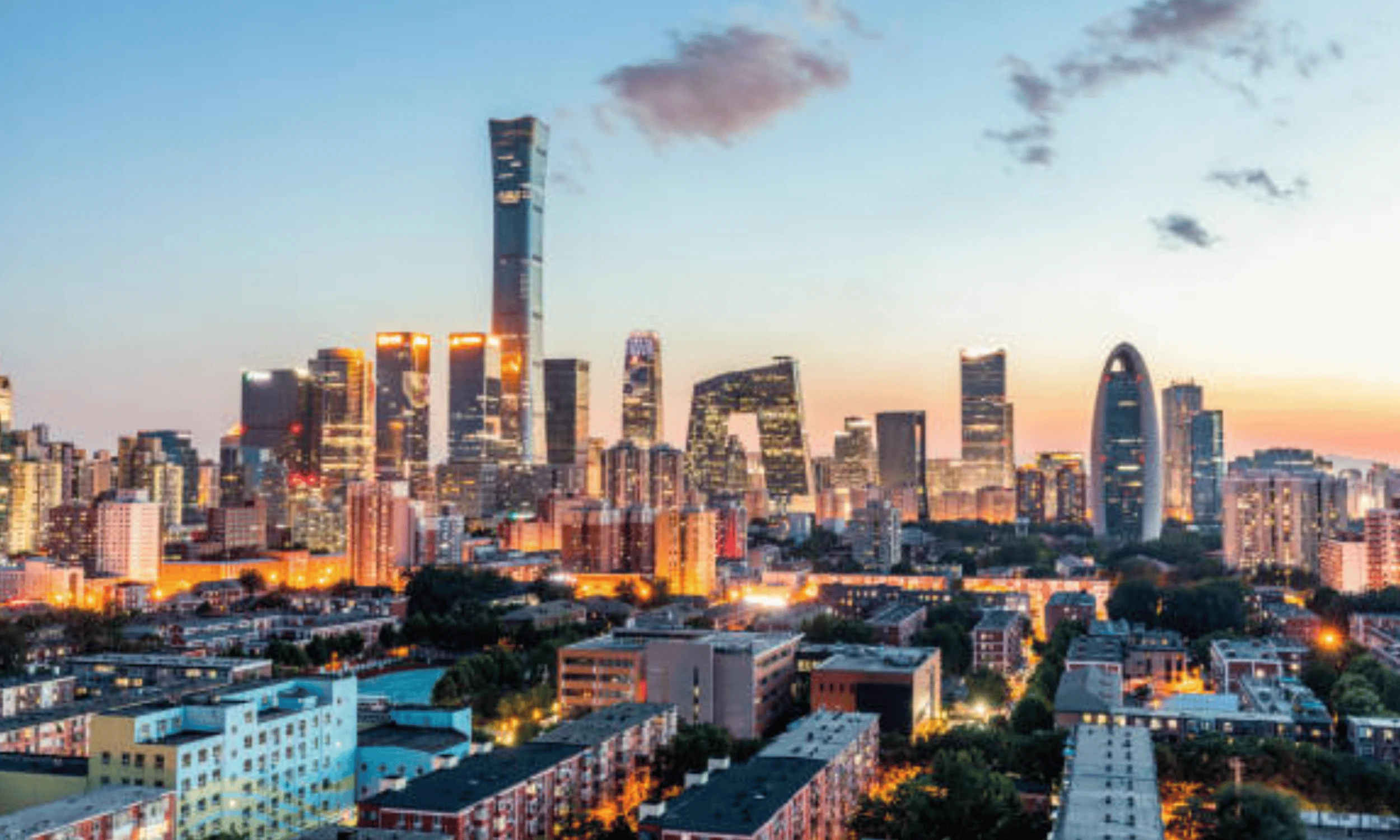
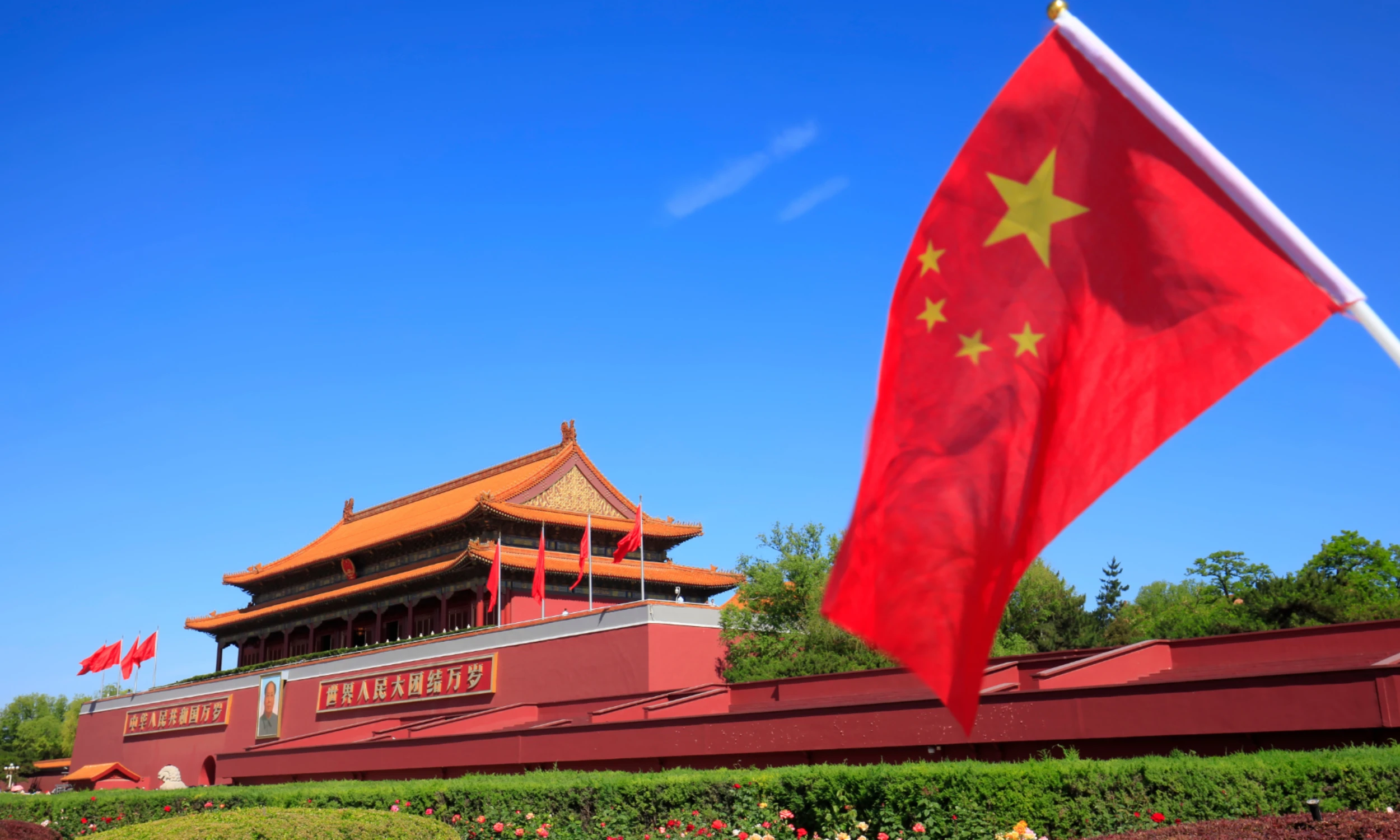
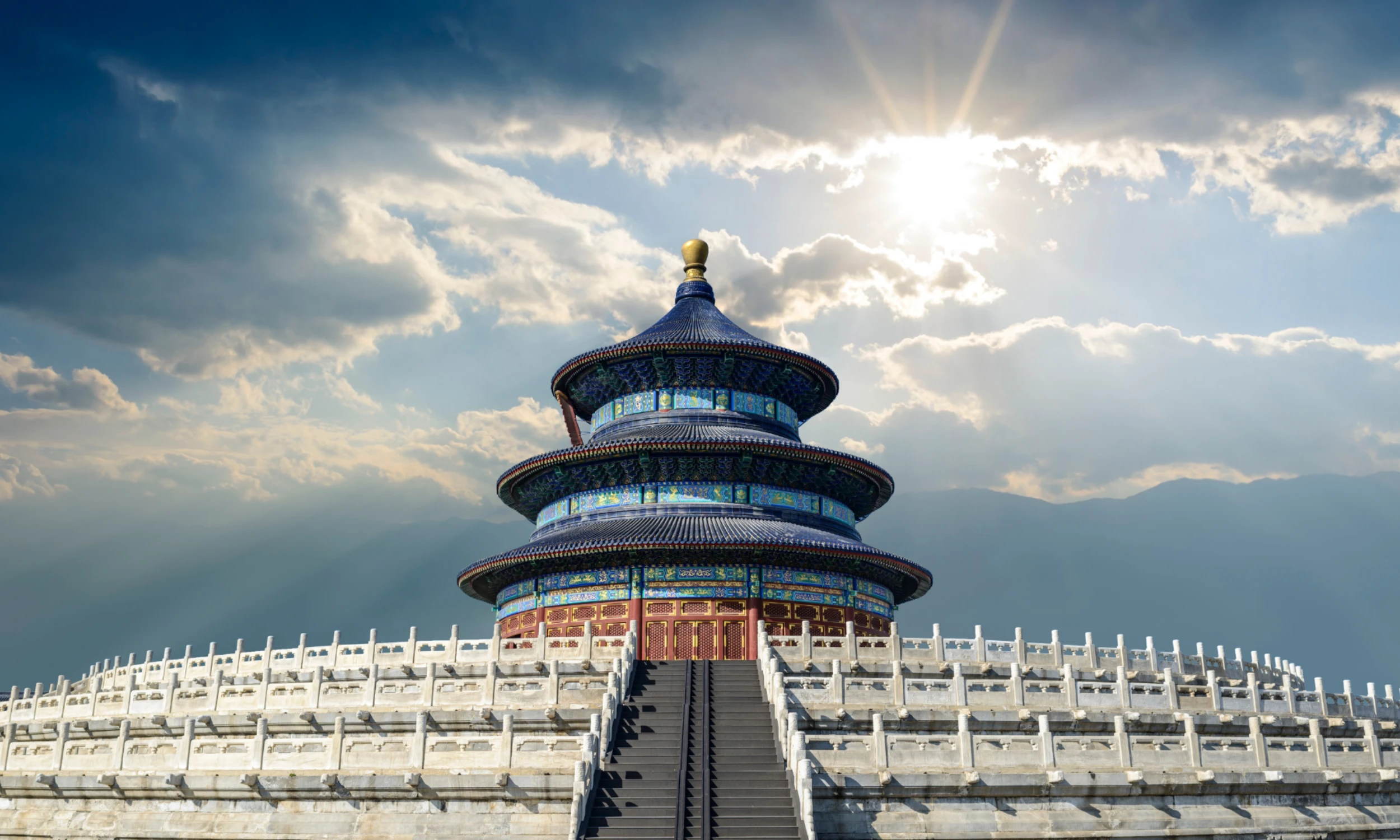
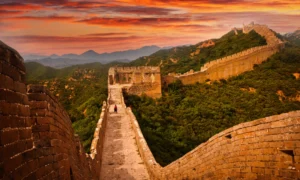
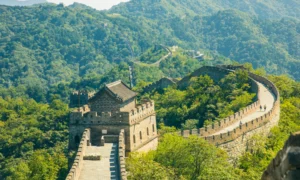
The heart of empires. A symbol of power and grandeur. From the vast grounds of the Forbidden City to the strength of the Great Wall, you will walk across one of the greatest stages in history. Beijing blends imperial magnificence with the dynamic rhythm of modern life.
This journey is a magnificent symphony of sensations—light, color, and nature in perfect harmony. It does not end when you return home; it continues to live within you as an experience that forever changes the way you see the world.
Destinations:
Program Highlights:
Morning breakfast
11:30 After breakfast, we will start our exciting tour in the magical city of Shanghai.
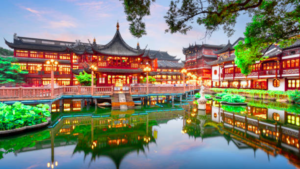
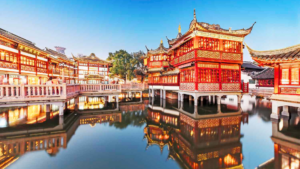
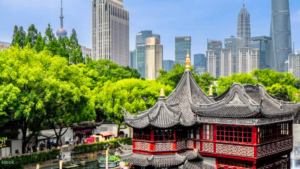
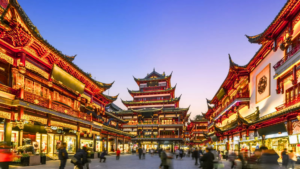
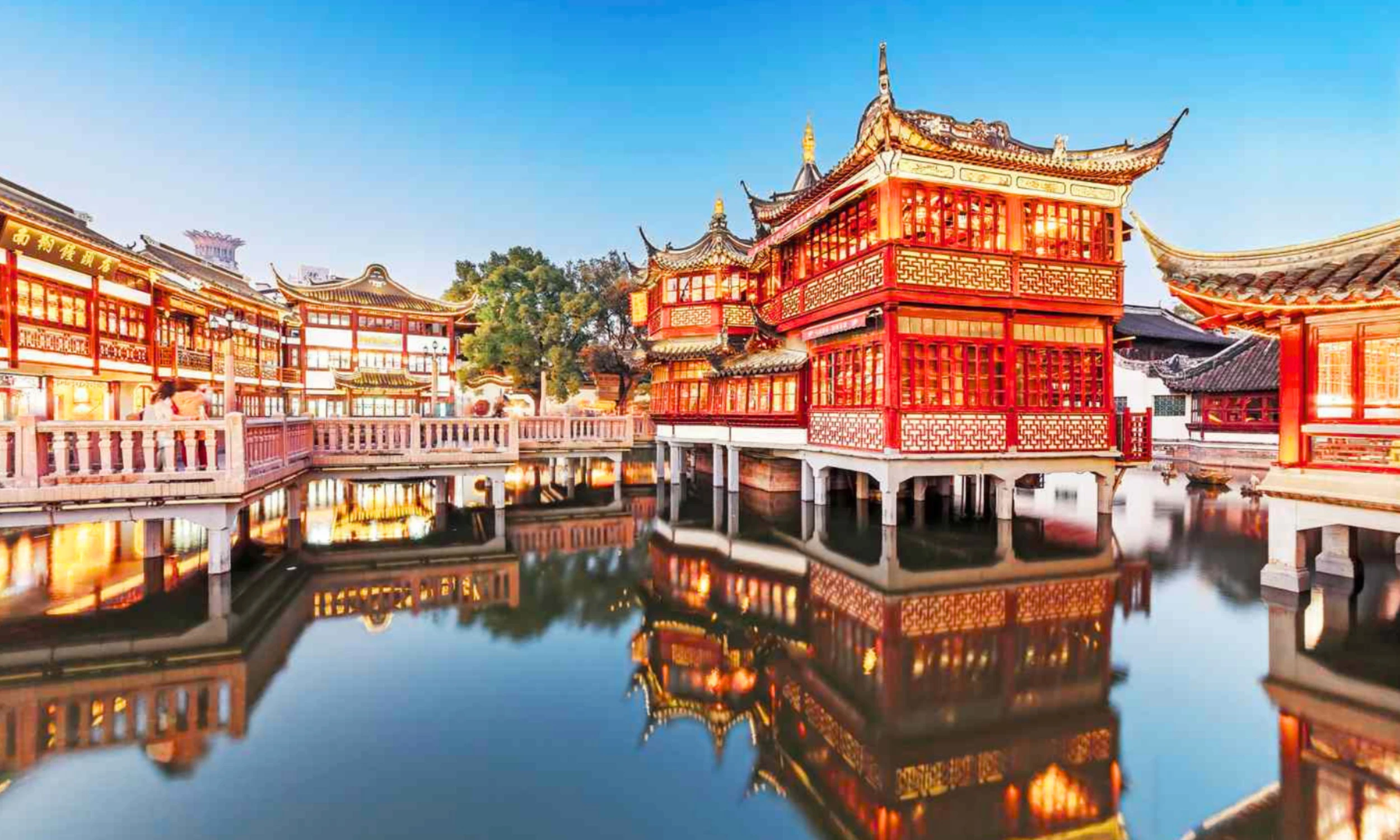
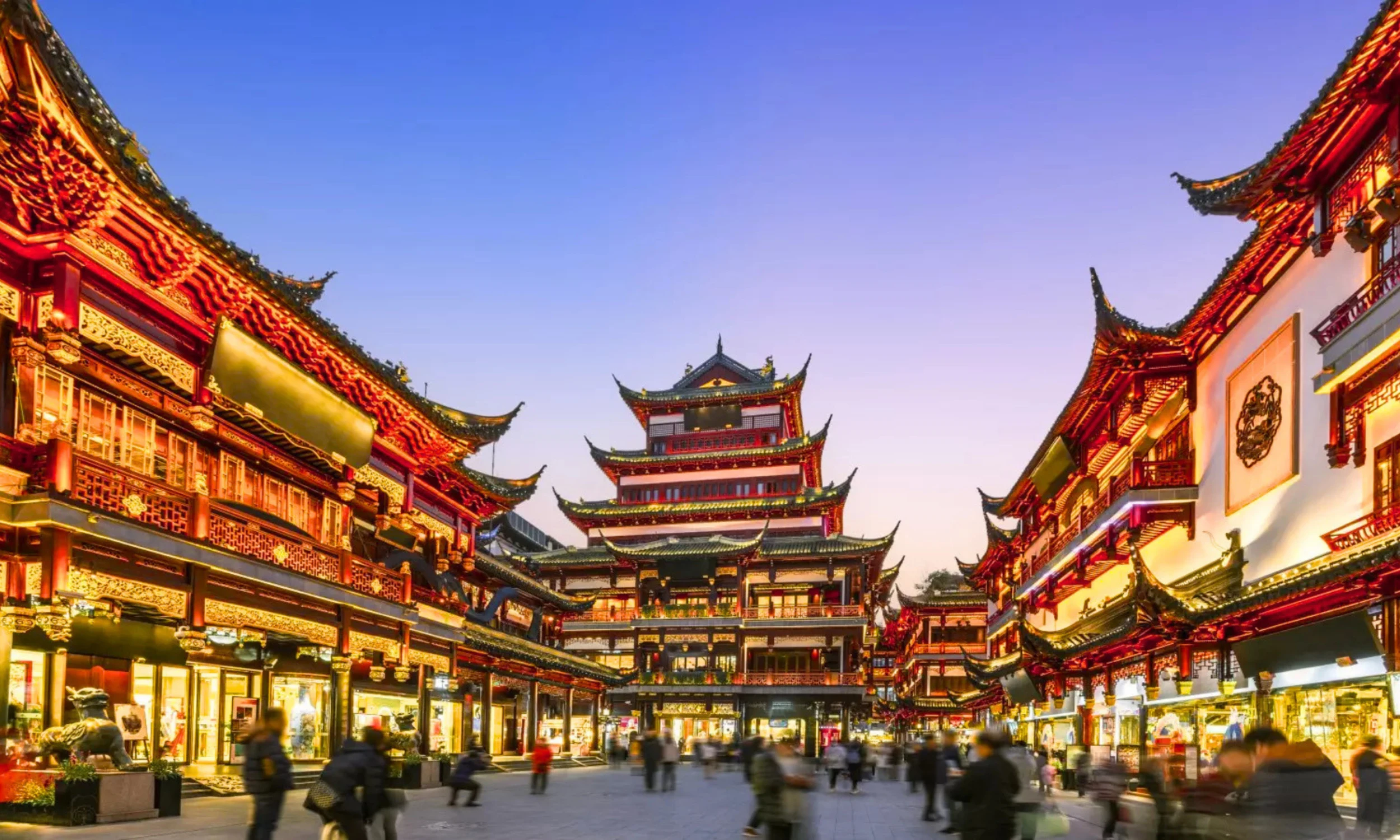
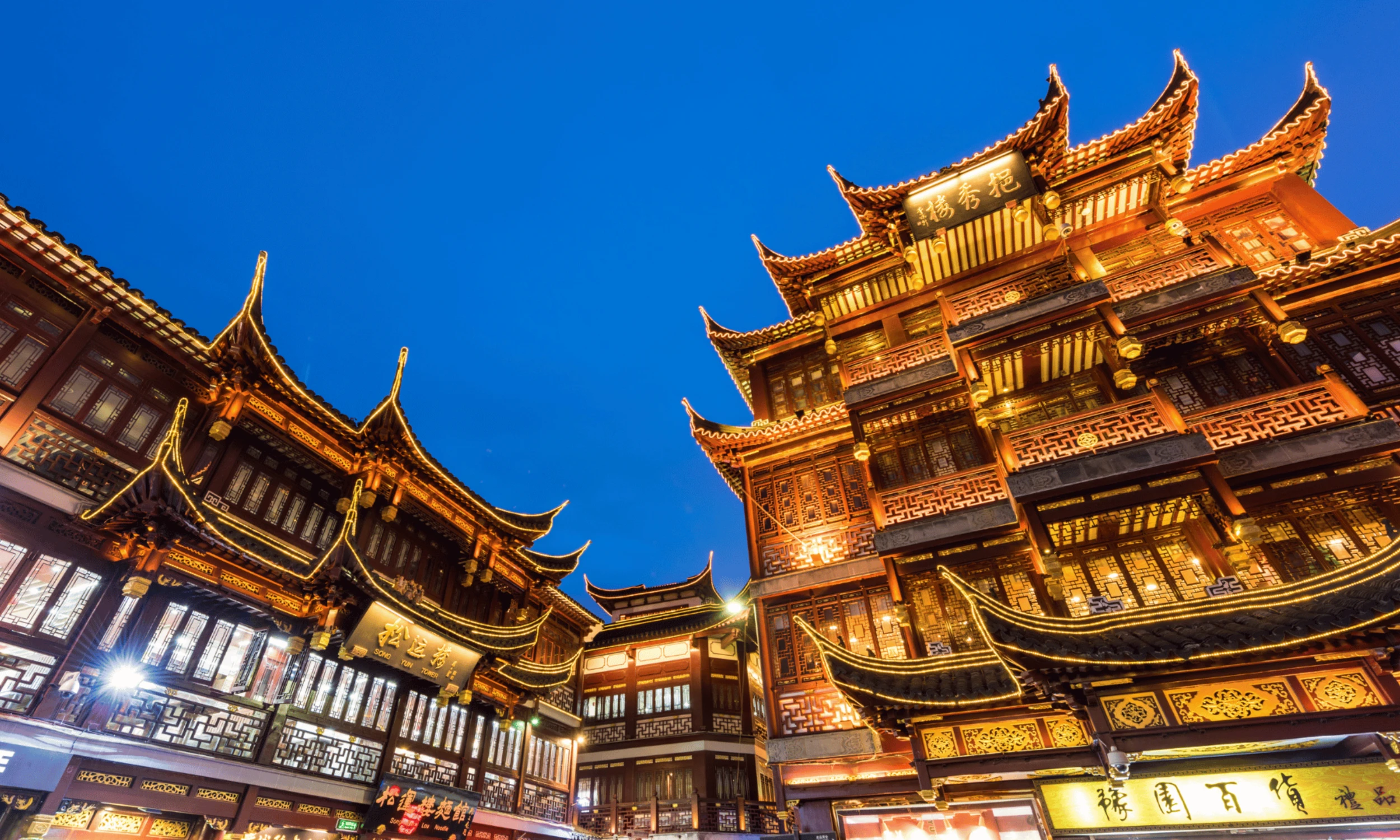
Yuyuan Garden
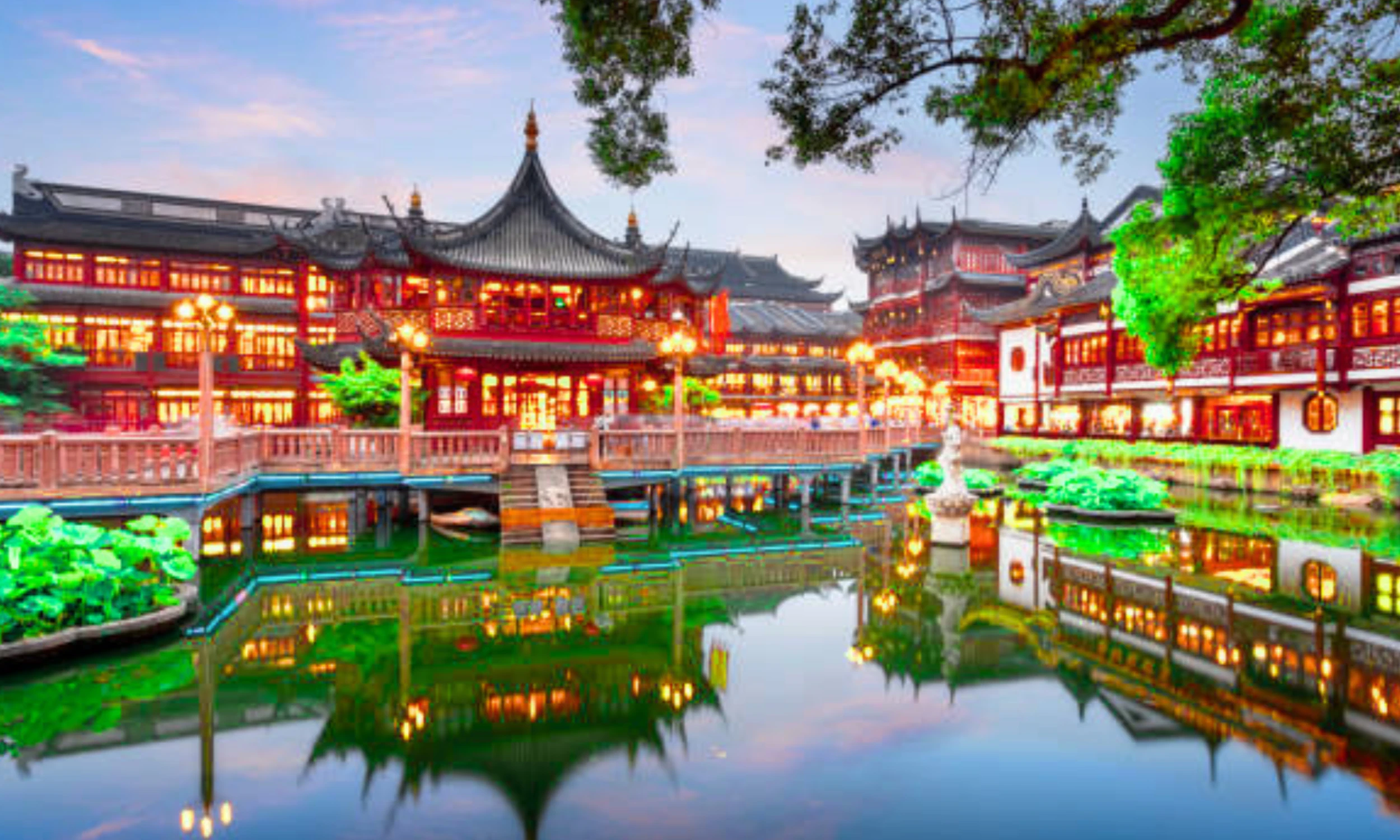
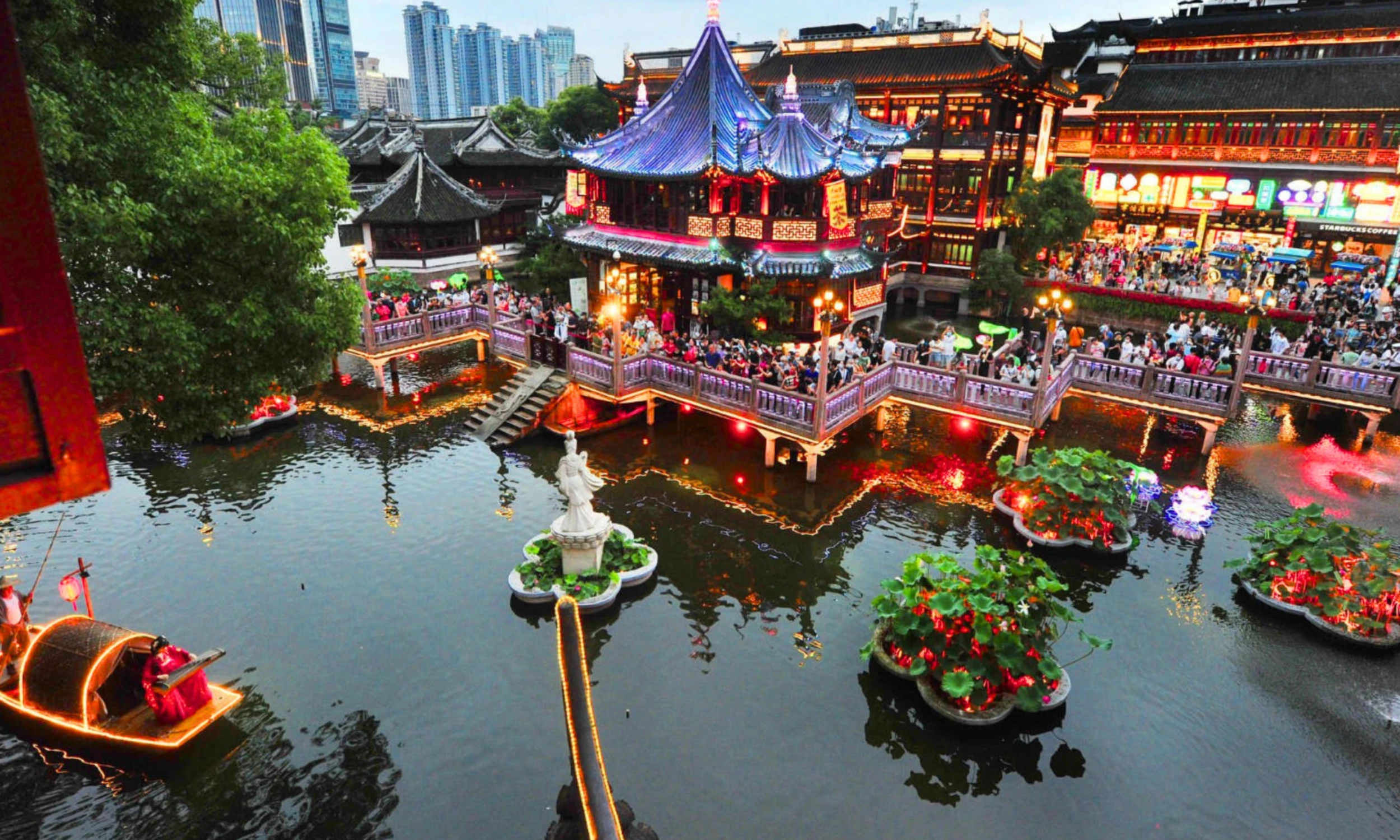
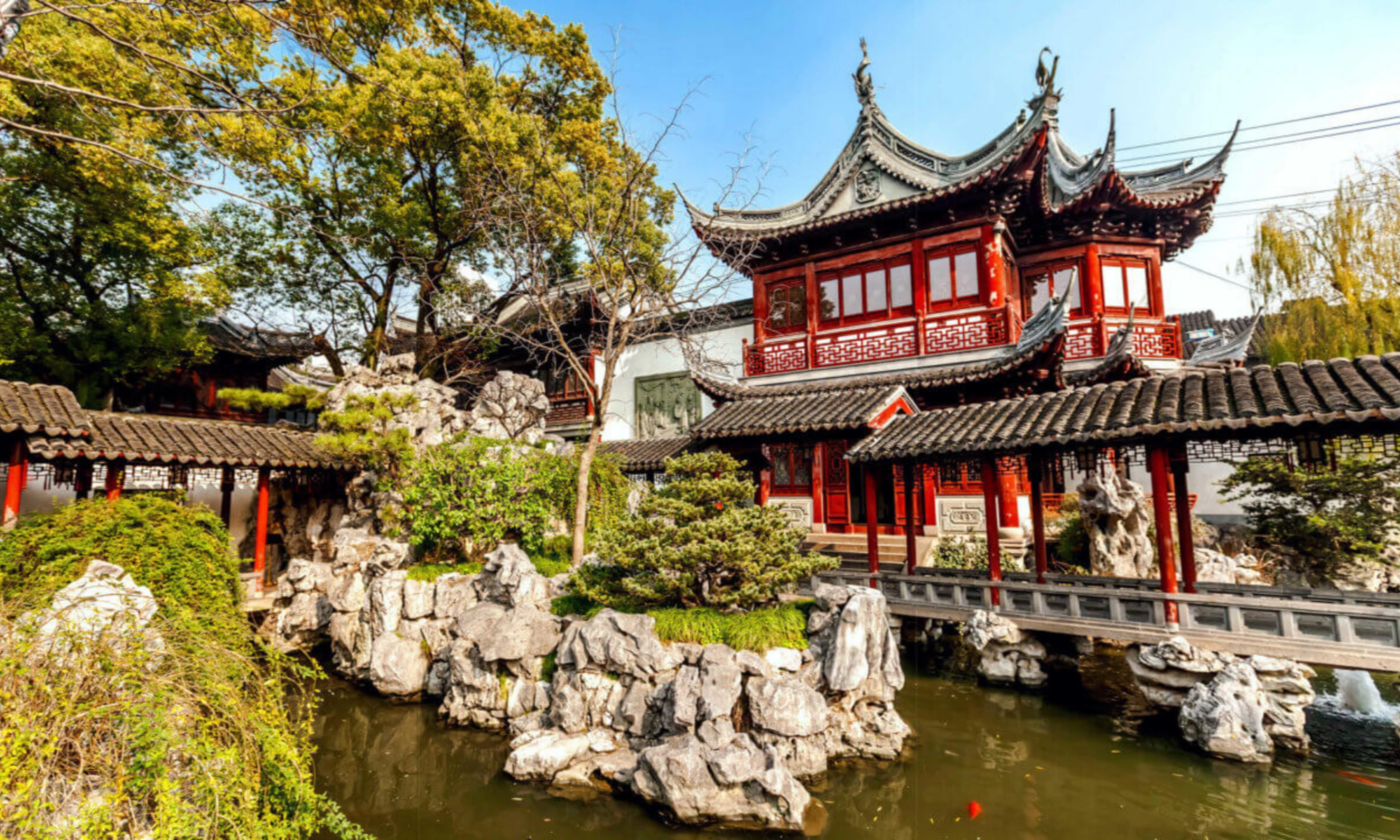
Yu Garden (Yuyuan Garden) is the only fully restored classical Chinese garden in Shanghai. It was originally built during the Ming Dynasty and covers an area of about 20,000 square meters. Despite its relatively modest size, the garden beautifully reflects the refinement of traditional Chinese landscape design, creating an entire world in miniature.
Within its space, pavilions and halls, winding corridors, small rock formations, carefully selected stones, lotus ponds, bridges, curved pathways, and trees are harmoniously arranged. Together, they create a unique atmosphere of tranquility and aesthetic perfection.
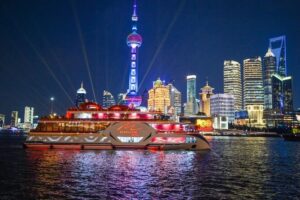
The Huangpu River — the symbol and “mother river” of Shanghai — is renowned for its stunning views, where the city’s past, present, and bright future come together. Traditional boats and ferries contrast with modern cityscapes, and as you cruise under the Yangpu Bridge toward the East China Sea, a full panorama unfolds: the Bund, often described as an open-air museum of exotic architecture; Pudong’s futuristic skyline, the “miniature of Shanghai”; and the famous scenic view known as “two dragons playing with a pearl.”
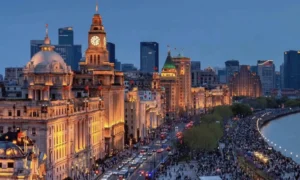
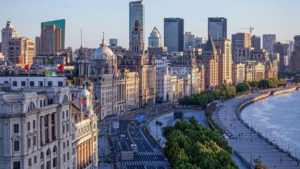
The Bund is located on the banks of the Huangpu River in Shanghai’s Huangpu District and is also known as the “Outer Huangpu Embankment.” It is one of China’s most important historical and cultural areas. Starting from 1844, this section became part of the British concession, forming a real reflection of Shanghai’s “ten-mile foreign settlement” and marking the origin of the old concession zone as well as the development of the modern city.
After Shanghai developed as a commercial port, foreign banks, trading companies, consulates, and newspapers began to concentrate here. As a result, the Bund became not only the financial center of the city, but also of the entire country and even the Far East.
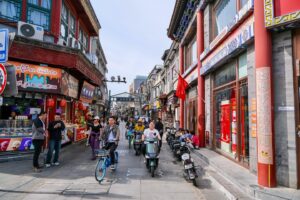
Nanjing Road, Shanghai’s and indeed China’s main shopping street, stretches about 3.5 miles. It starts in the east at the Bund and ends in the west at the intersection near Jing’an Temple metro station. It is about 1,033 meters long and 18–28 meters wide.
This seemingly endless street attracts hundreds and even thousands of fashion lovers and bargain seekers from around the world every day. For visitors to Shanghai, Nanjing Road is a must-see attraction, just as important as the Bund itself.
Morning: Optional tour to Zhujiajiao Water Town (includes a boat ride)
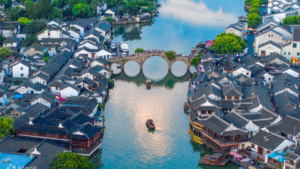
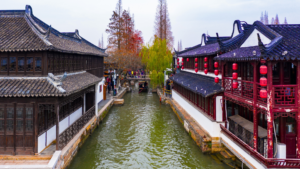
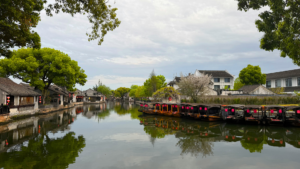
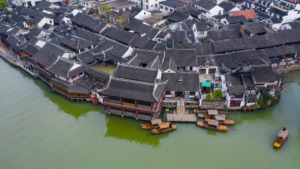
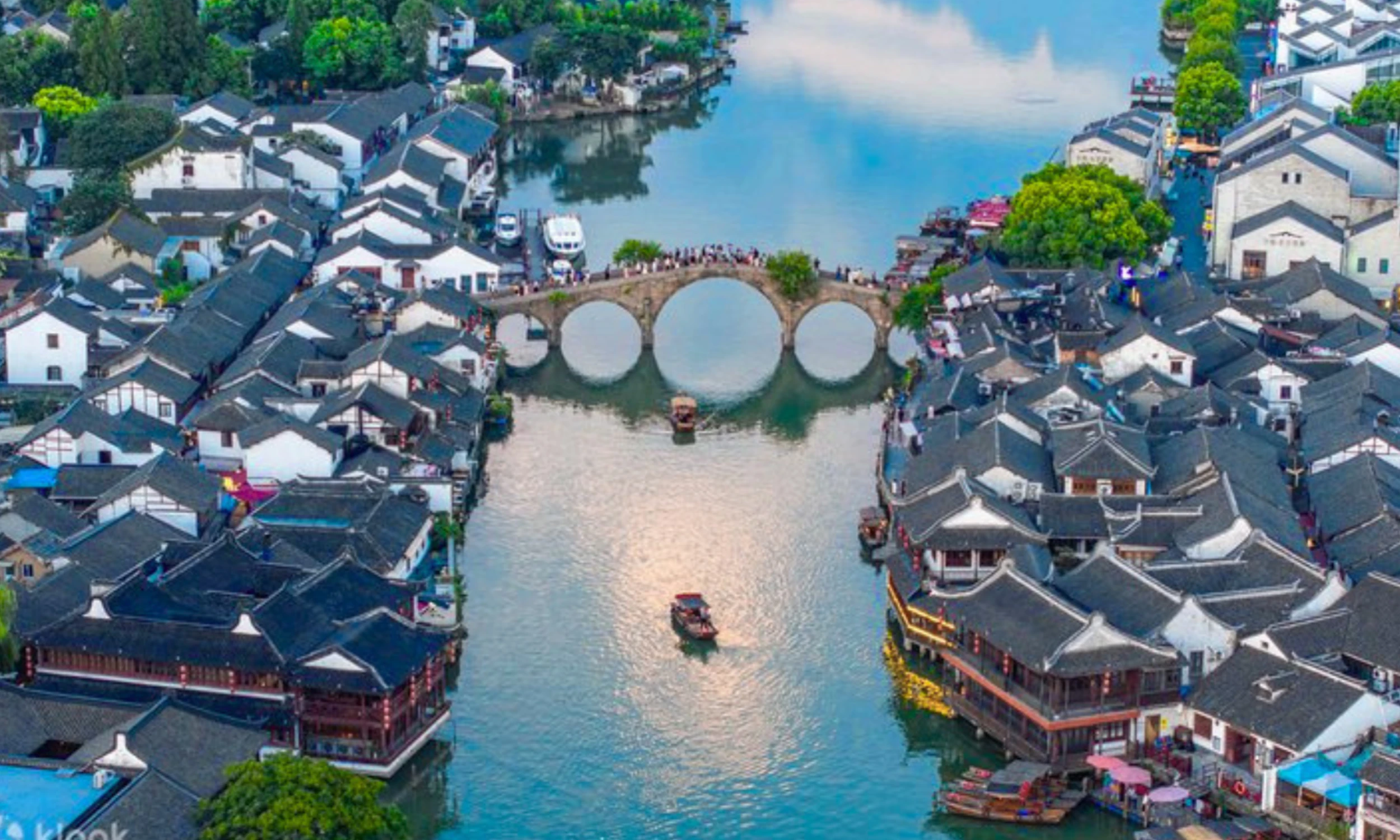
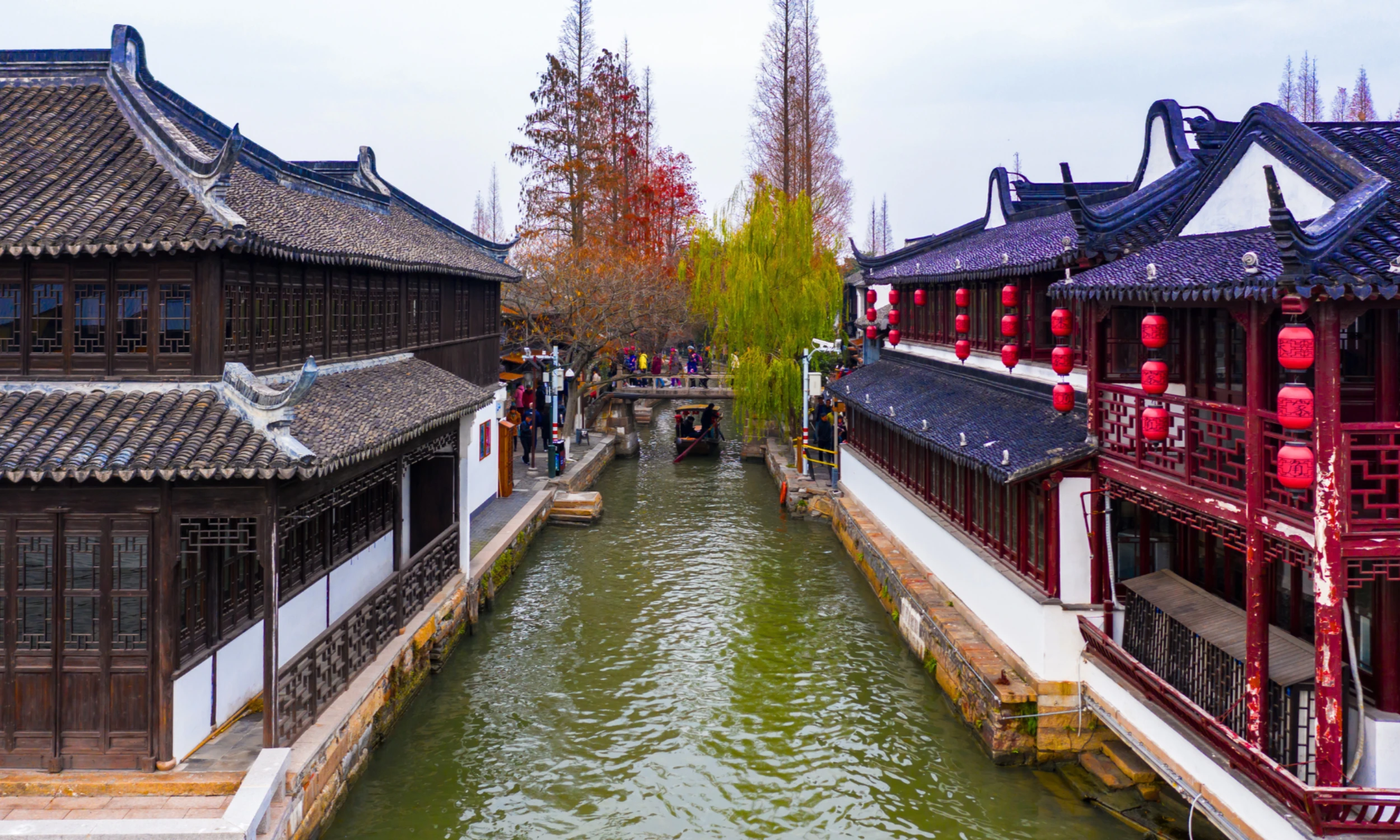
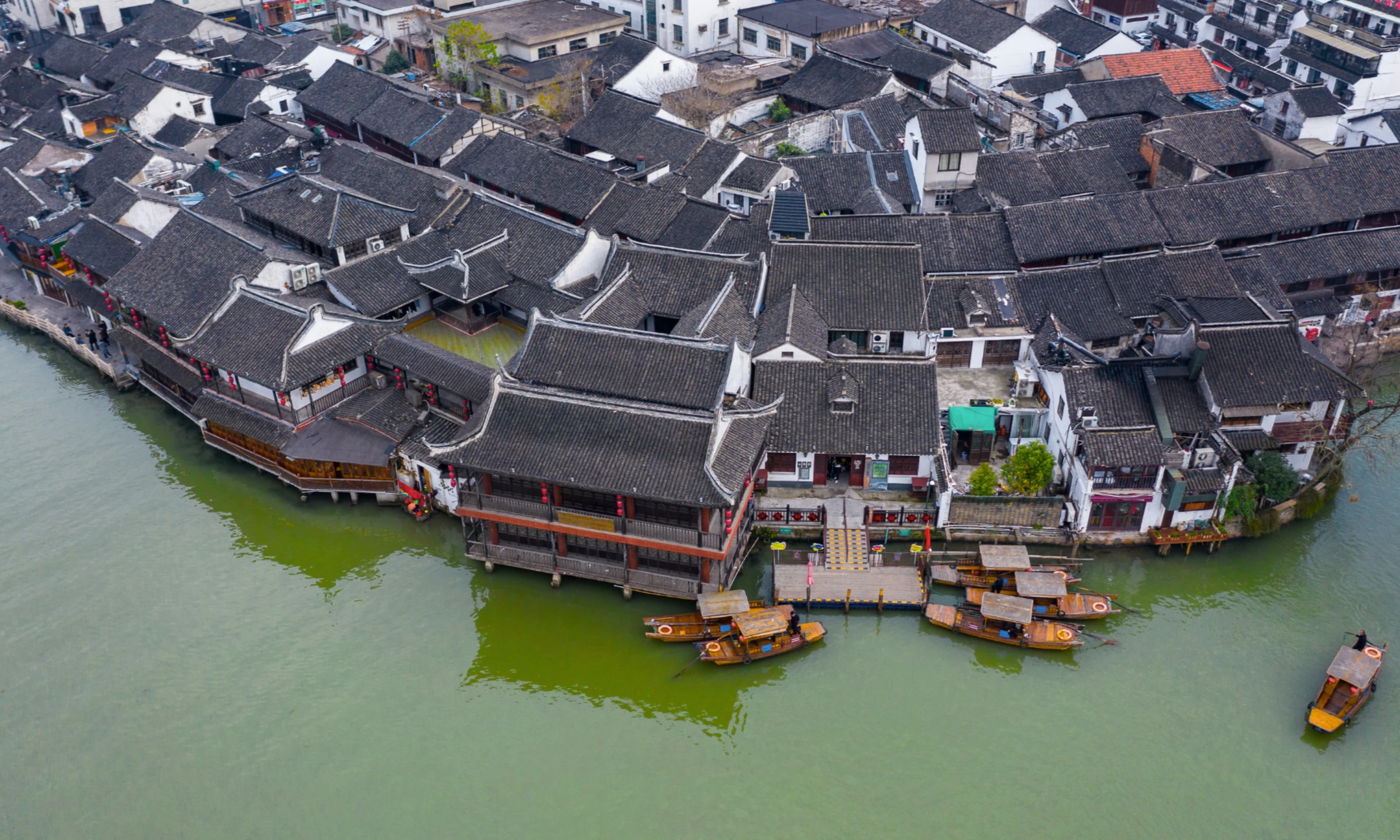
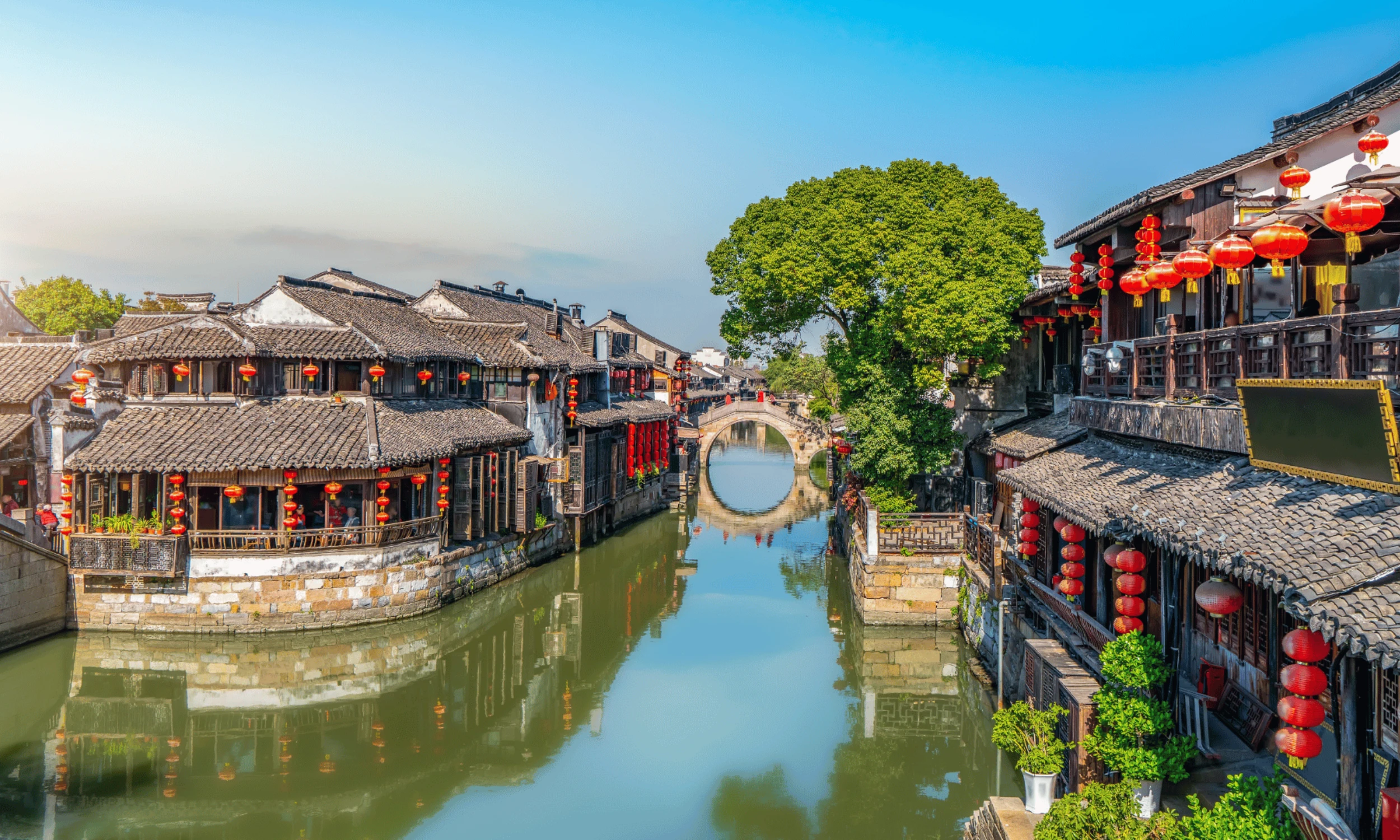
Zhujiajiao Water Town is located about 47 km from Shanghai. It is one of the oldest and most characteristic water towns in the Qingpu District, in the south of the Yangtze River region, with a history of around 1,700 years.
Often called the “Venice of Shanghai,” Zhujiajiao is known for its beautiful canals, arched stone bridges, ancient cobblestone streets, and more than 10,000 buildings dating back to the Ming (1368–1644) and Qing (1644–1911) dynasties.
It is considered the best-preserved of Shanghai’s four ancient water towns. During the visit, there will also be opportunities for shopping in local stores.
Visit to the Former French Concession
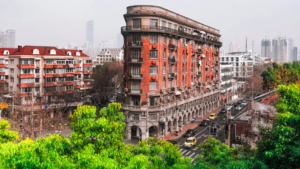
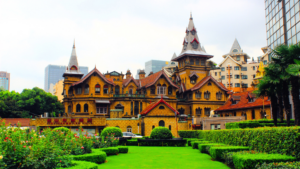
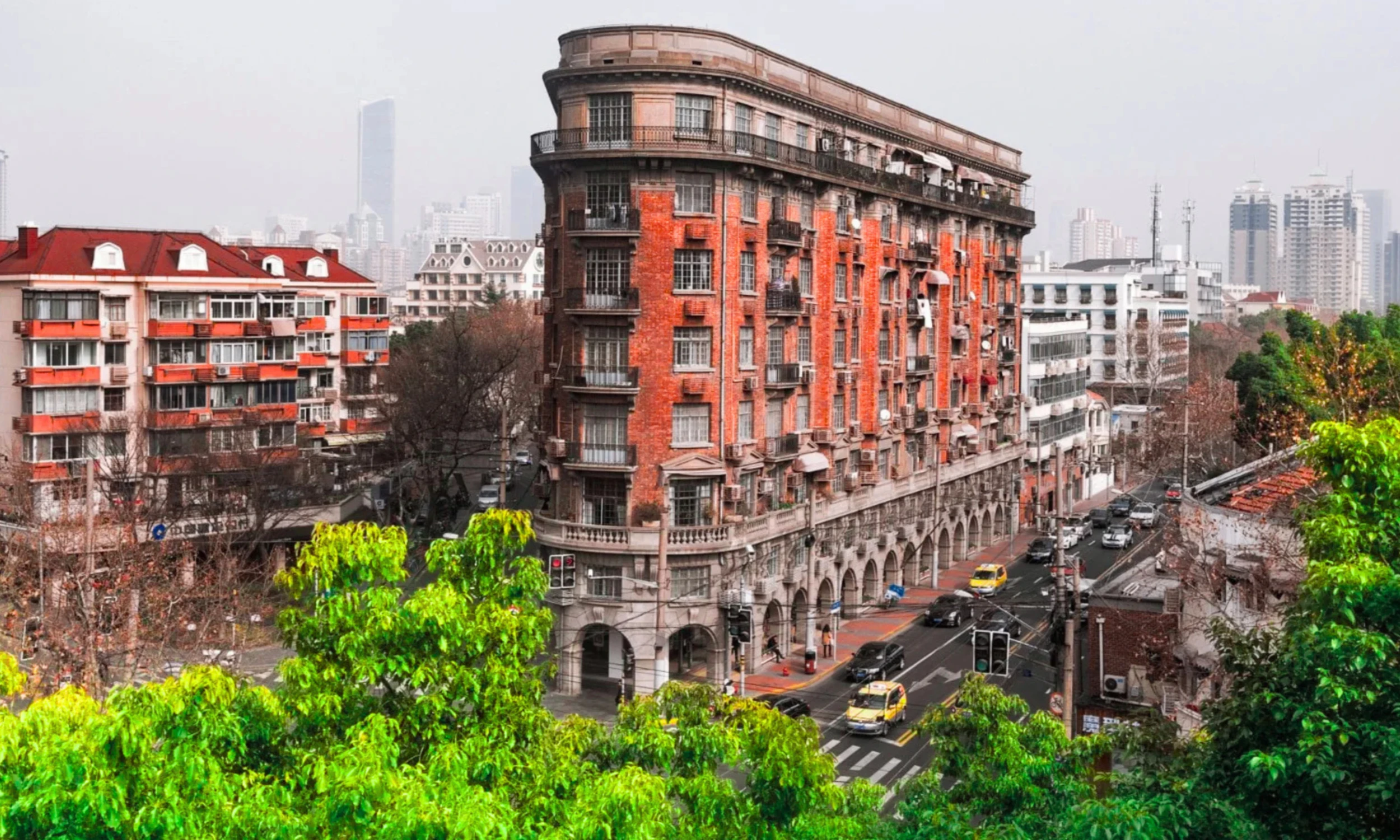
The Shanghai French Concession was the largest and most developed of the four French concessions in old China. It reached its peak development in the 1930s.
The French Concession maintained a high degree of autonomy in old Shanghai and was considered the city’s most prestigious residential area. Its architecture is notably unified, strongly influenced by European styles, with streets and buildings that preserve a unique historical atmosphere.
The name “Paris of the East,” often associated with Shanghai, is closely linked to the French Concession, as its European-style architecture and cultural environment significantly differed from both the International Settlement and traditional Chinese districts, creating an almost European cityscape in the heart of Asia.
Furong Town
Flight from Shanghai to Zhangjiajie
Shanghai 06:55
Zhangjiajie 09:25
We will transfer from Zhangjiajie to Furong Town. The journey takes about 1.5 hours.
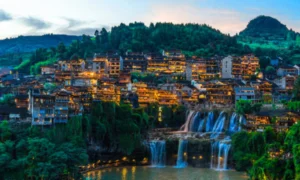
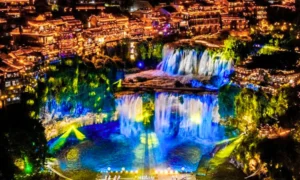
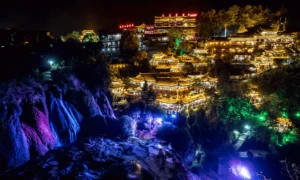
Furong is an ancient town with a history of over 2,000 years. It is surrounded by water on three sides, and a waterfall flows directly through the city, which is why it is known as the “Thousand-Year-Old Town Hanging on a Waterfall.” Its unique old-town atmosphere, rich historical and cultural heritage, impressive waterfall, and beautiful night scenery attract many visitors.
Visit to the Furong Town scenic area, where you will see the Xizhou Bronze Pillar, Wangcun Waterfall, and Tusi Palace.
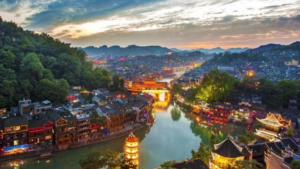
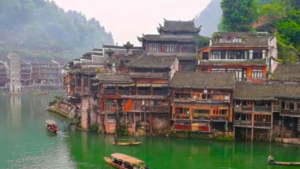
The rest of the day is free. You may relax at the hotel or explore the surrounding area on your own, discover local cuisine, and experience the town’s everyday life.
11/09We will transfer from Furong to Zhangjiajie.
8։00 Breakfast
09:00 Visit to Zhangjiajie National Forest Park.
Տուրի տևողությունը 5 ժամ
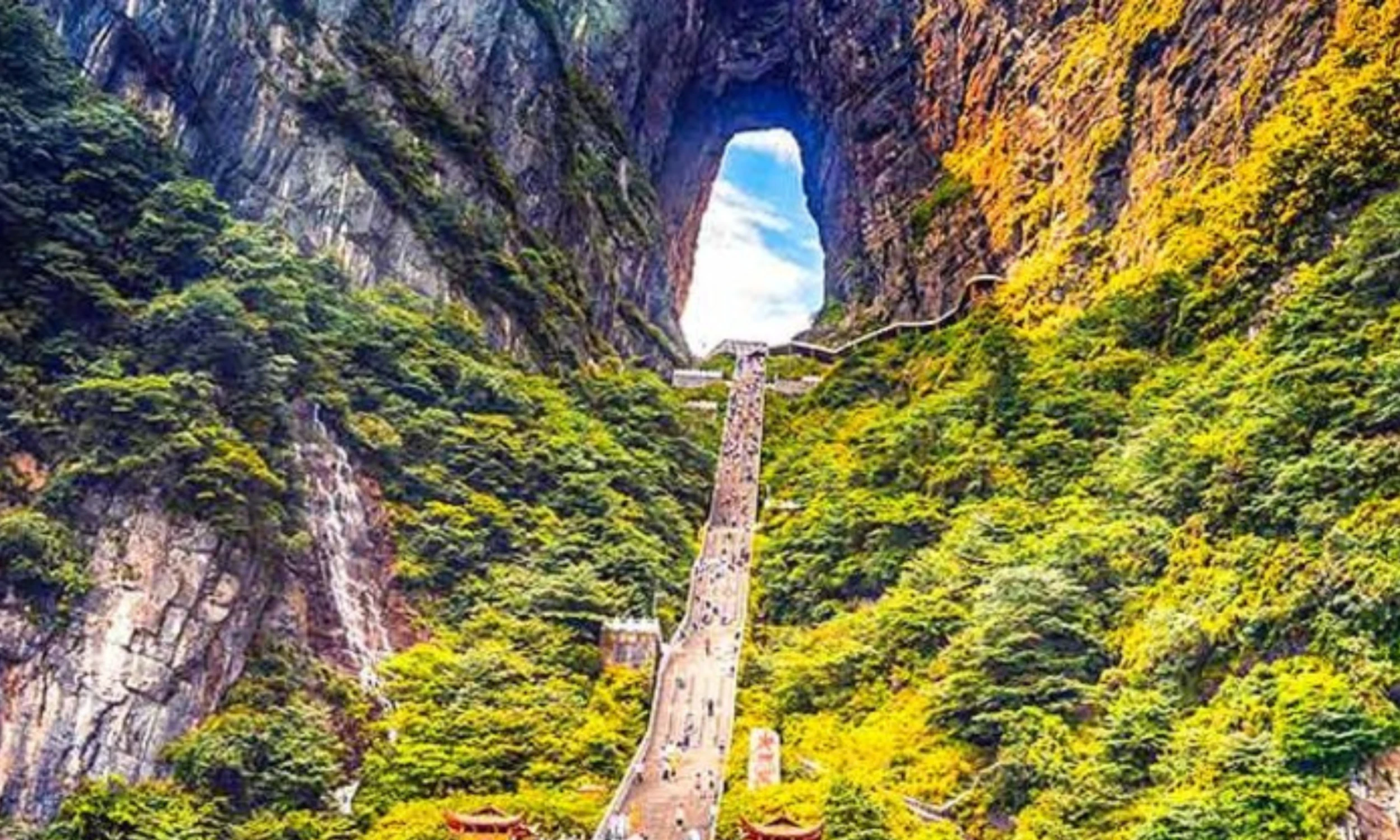
Tianmen Mountain escalator
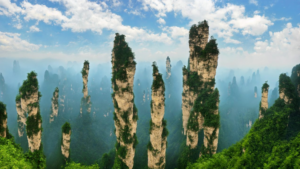
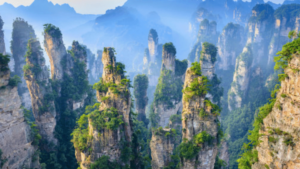
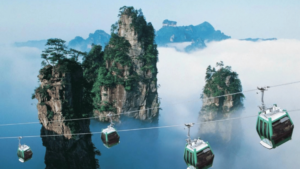
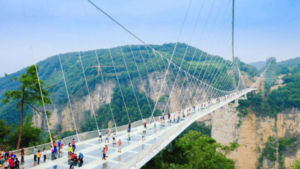
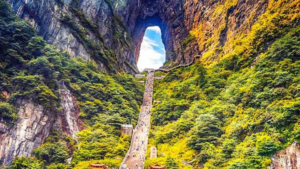
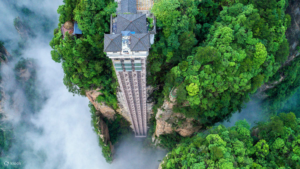
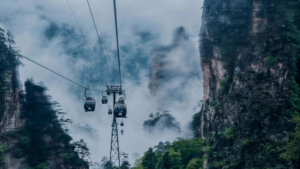
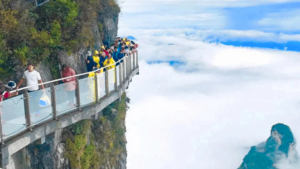
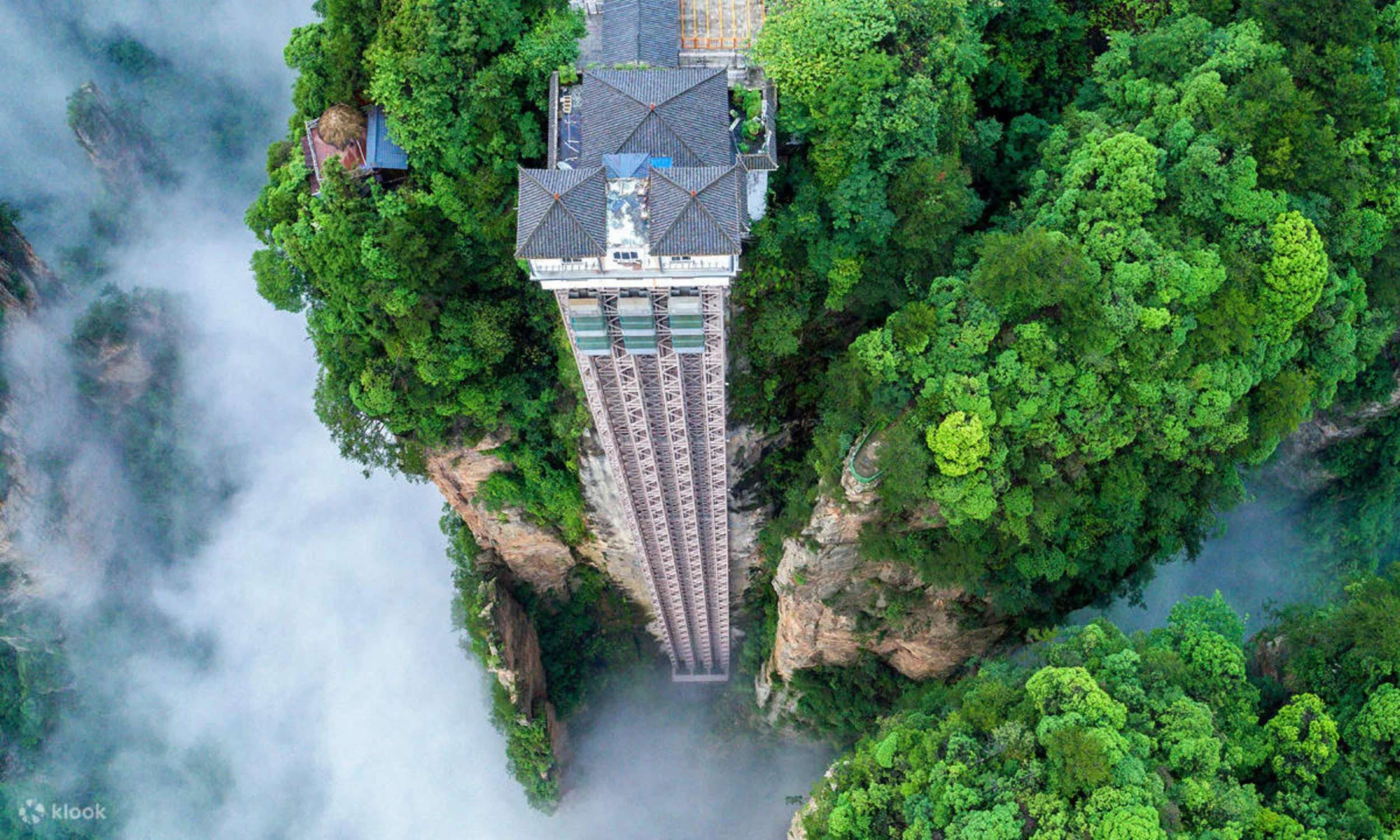
Visit to Yuanjiajie scenic area: ascent by the Bailong Elevator, followed by visits to Back Garden, the First Bridge Under Heaven, Soul-Losing Terrace, and the area of the famous “Avatar” Hallelujah Mountains. From here, you will also enjoy a distant view of the Yangjiajie rocky landscape.
Yuanjiajie is the place that inspired the floating mountains in the movie Avatar. Here you can also admire other unique sandstone pillars, such as the Enchanting Platform and the First Bridge Under Heaven.
Then continue to Yangjiajie, known as the “Natural Great Wall,” famous for its continuous mountain ranges and breathtaking scenery that creates a truly magical natural landscape.
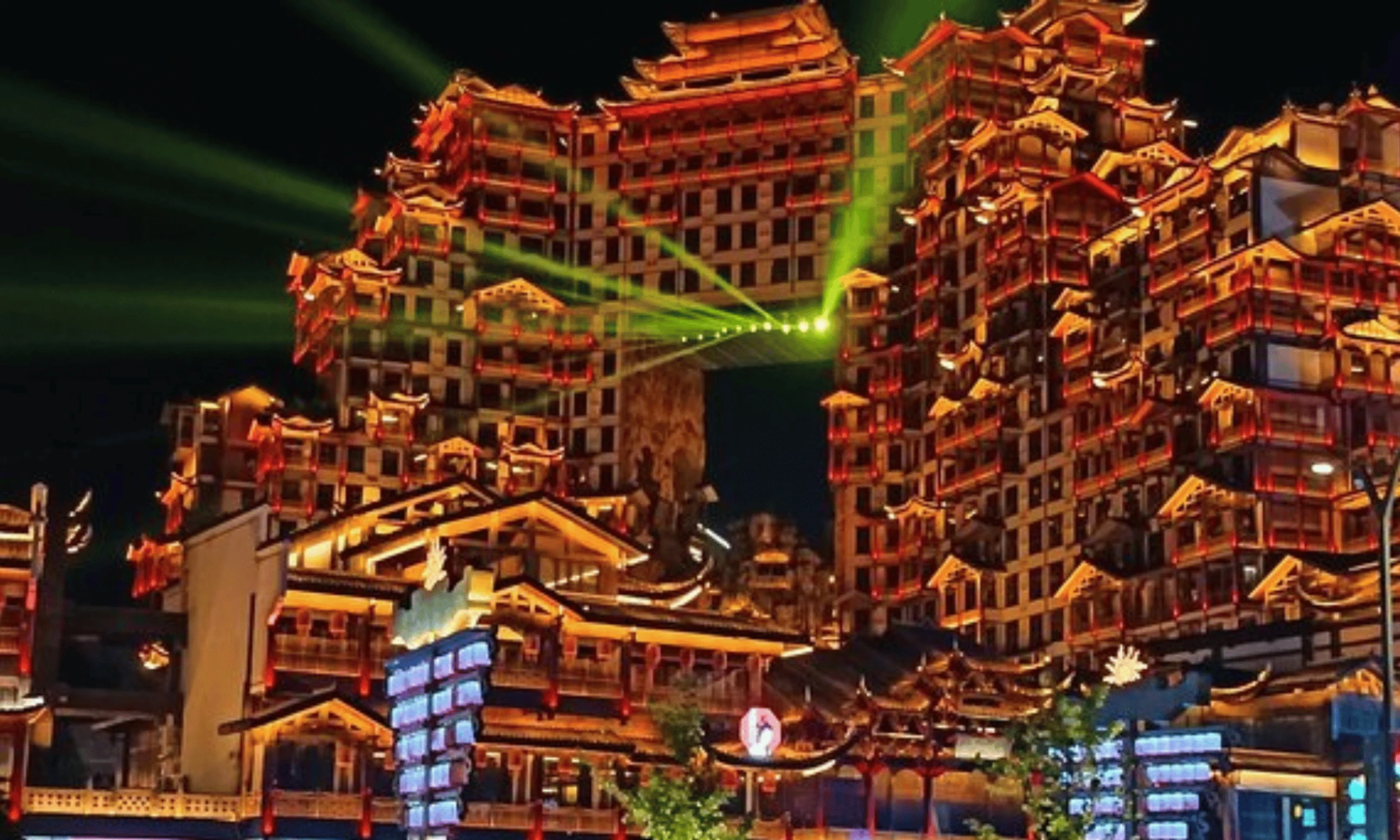
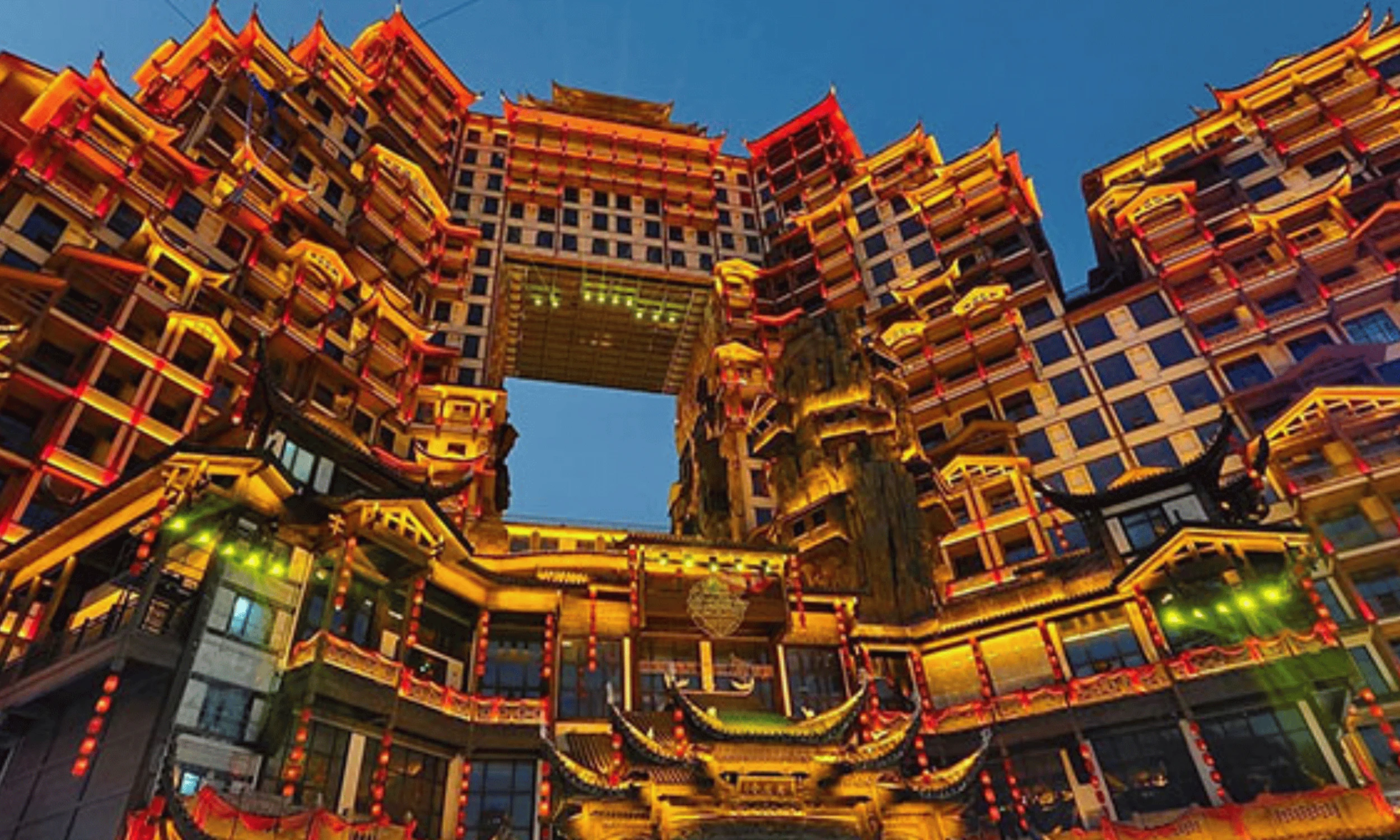
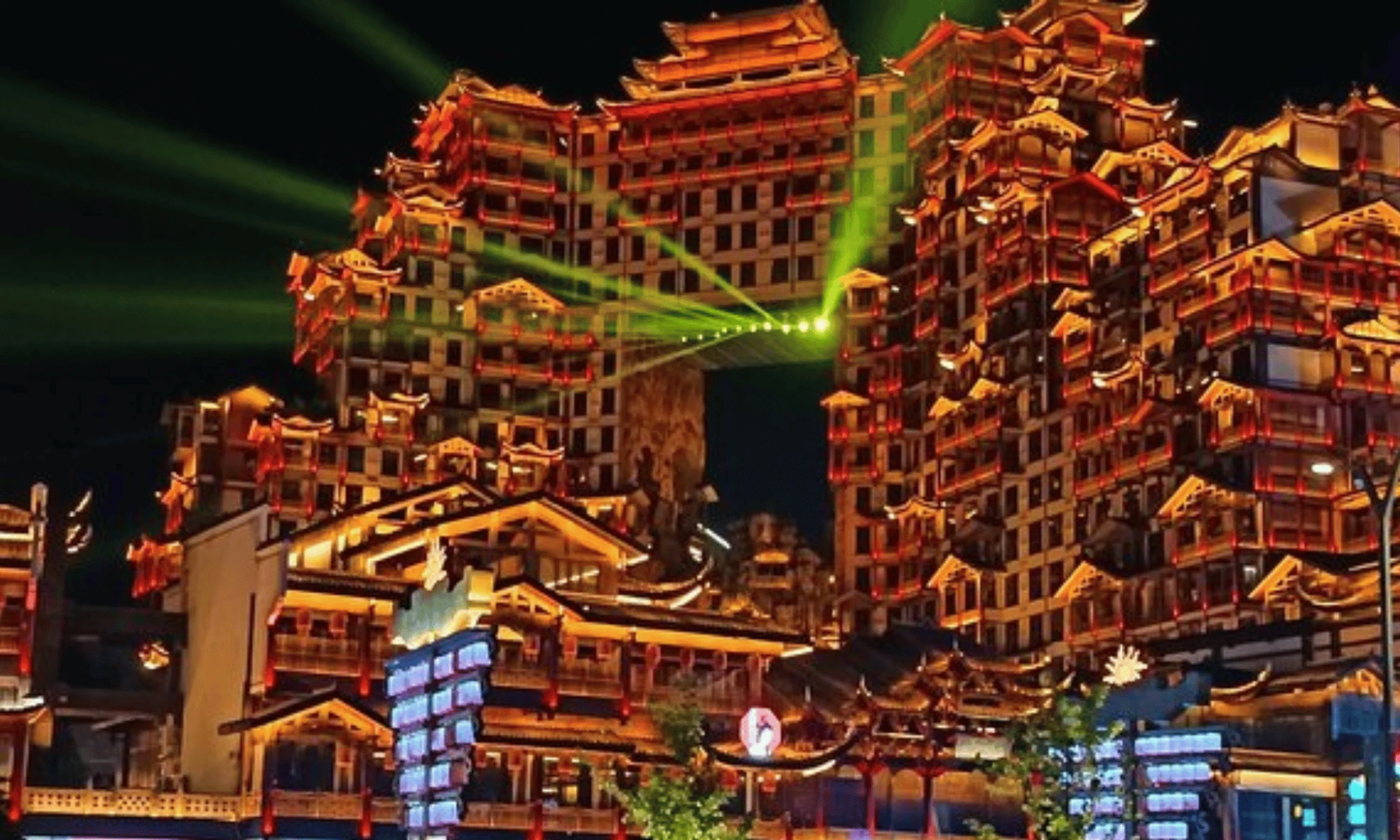
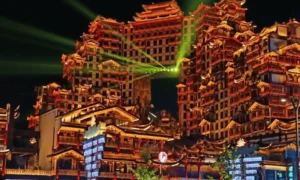
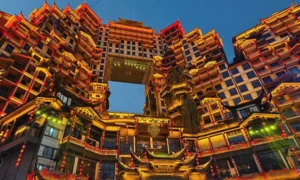
Evening: Visit to the “Tujia Potala Palace” – the 72 Qilou (72 Wonder Towers), with interior access.
08:00 Breakfast at the hotel
09:00 Visit to Zhangjiajie National Forest Park
8:00 Breakfast
9:30 Visit to the Tujia Brocade Museum
Zhangjiajie 14:55
Xi’an 16:15
Transfer to the hotel
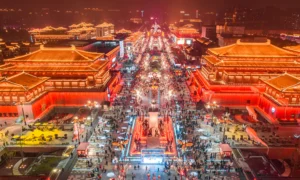
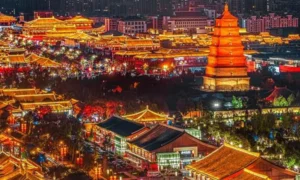
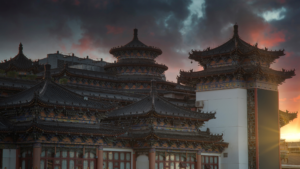
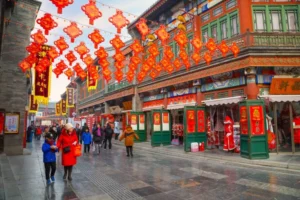
After arrival in Xi’an, enjoy a walk along Muslim Street to experience local daily life.
This street is paved with dark stone, while green trees provide dense shade in summer. The buildings on both sides reflect the architectural styles of the Ming (1368–1644) and Qing (1644–1911) dynasties.
Dinner at a local restaurant.
8:00 Breakfast
8:40 Terracotta Warriors Museum
8:00 Breakfast
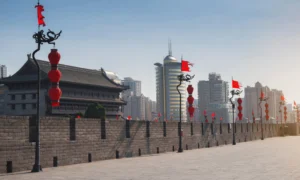
Morning: Visit to Xi’an City Wall
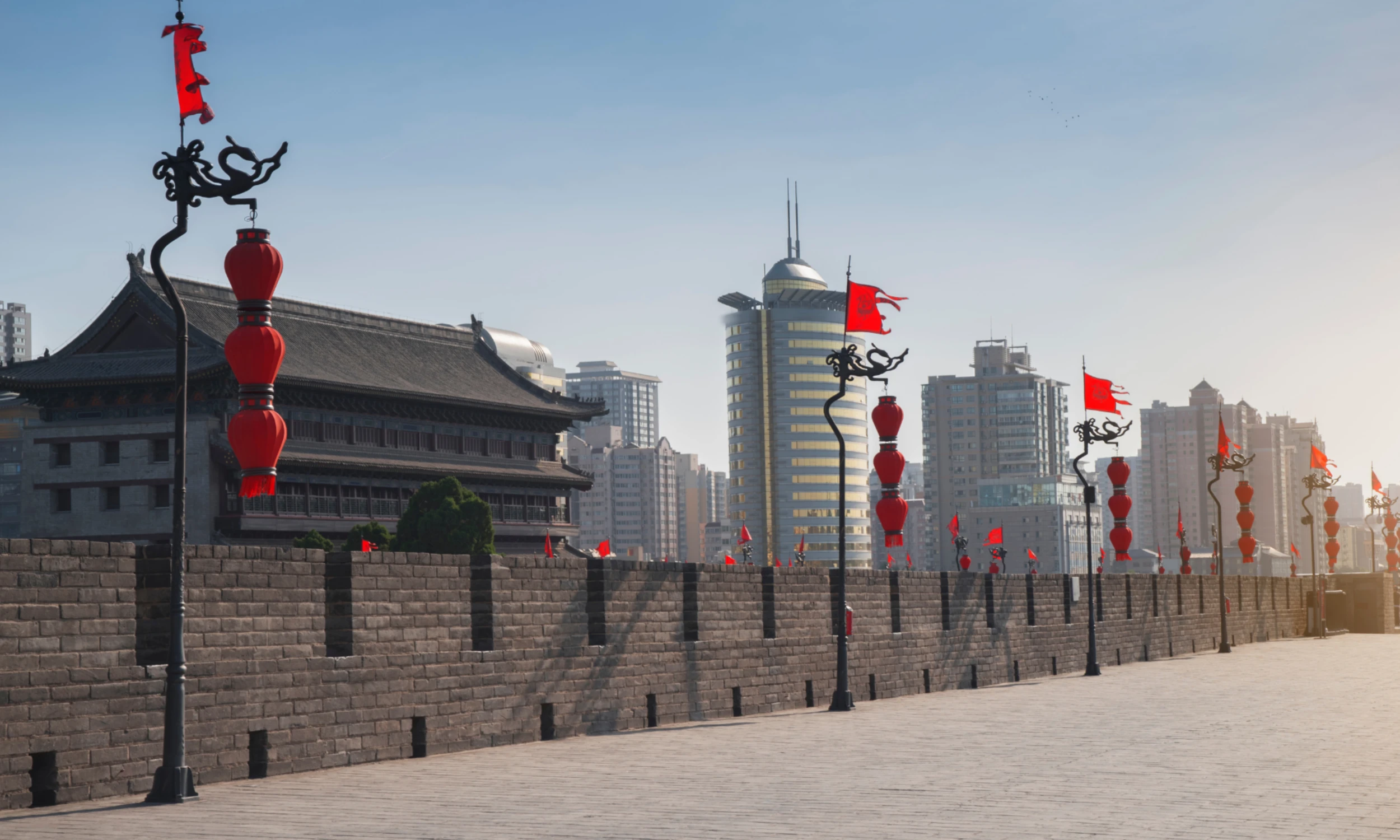
The Xi’an City Wall is one of the best-preserved ancient defensive structures in China and is considered one of the largest and most complete medieval city walls in the world. It was built during the Ming Dynasty (14th century) and surrounds the center of the old city.
The wall is about 13.7 km long and features high towers, gates, and watchtowers. Visitors can walk along the top and even rent bicycles to ride around the entire wall, enjoying views of both the old and modern parts of the city.
13։04-18։48Transfer to the railway station and departure to Beijing by high-speed train (First Class).
Transfer to the hotel and check-in.
08:00 Breakfast
Morning: Leave your luggage in the hotel lobby and depart for the Great Wall of China.
Juyong Pass – The Legendary Gate of the Great Wall
Our route passes through the Guanzhou Valley, an impressive 18-kilometer gorge that has served for centuries as the northern strategic gateway to ancient Beijing.
Here is Juyong Pass, one of the most significant and majestic sections of the Great Wall of China. This UNESCO World Heritage site is not just a defensive structure, but a symbol of human determination and architectural genius. The view of the Great Wall winding along the mountain peaks from this point is breathtaking, allowing you to feel the endless flow of history.
This is where nature and history meet, creating a scene that is difficult to describe in words but impossible to forget once seen. It is located in Changping District, about 50–60 km north of central Beijing.
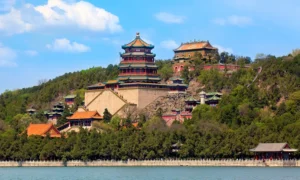
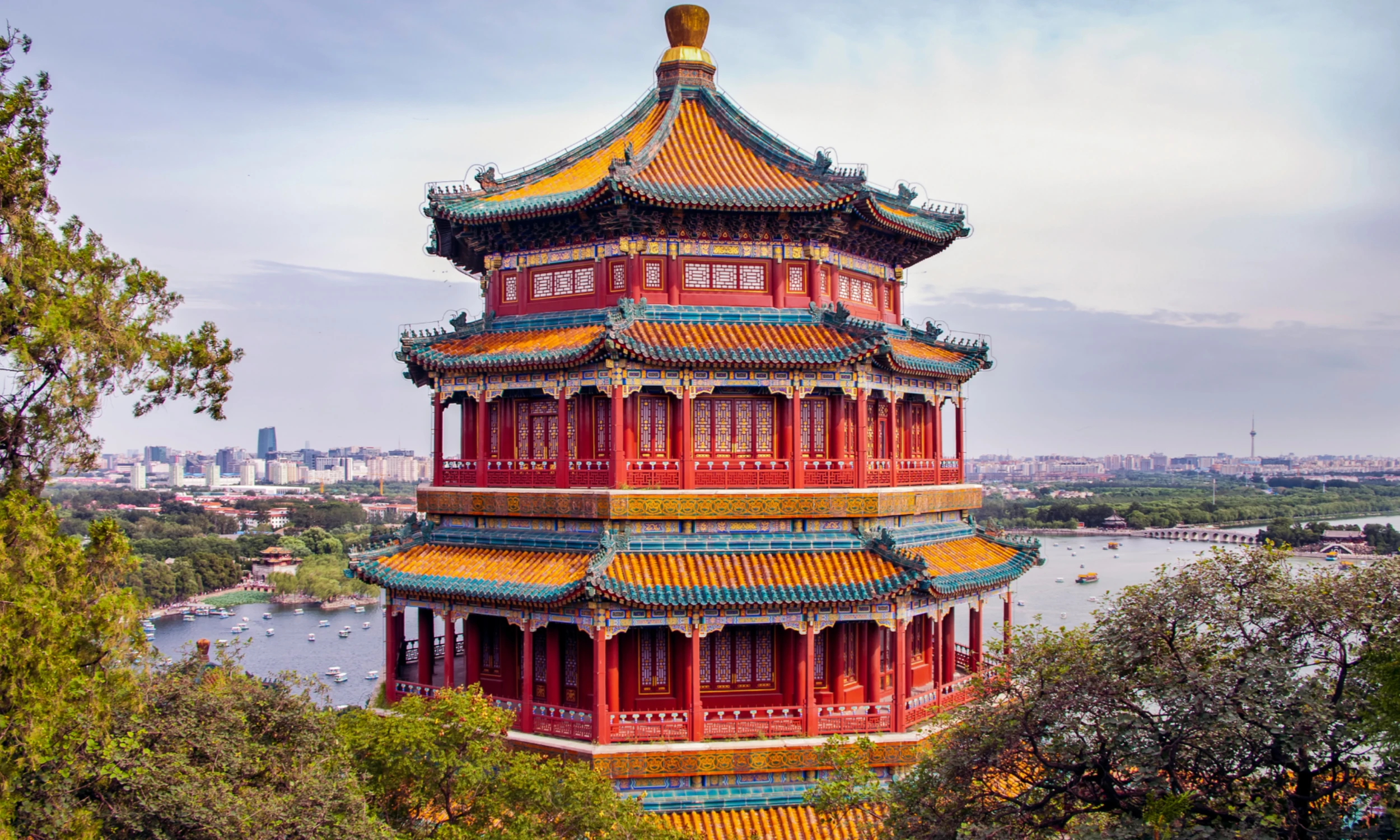
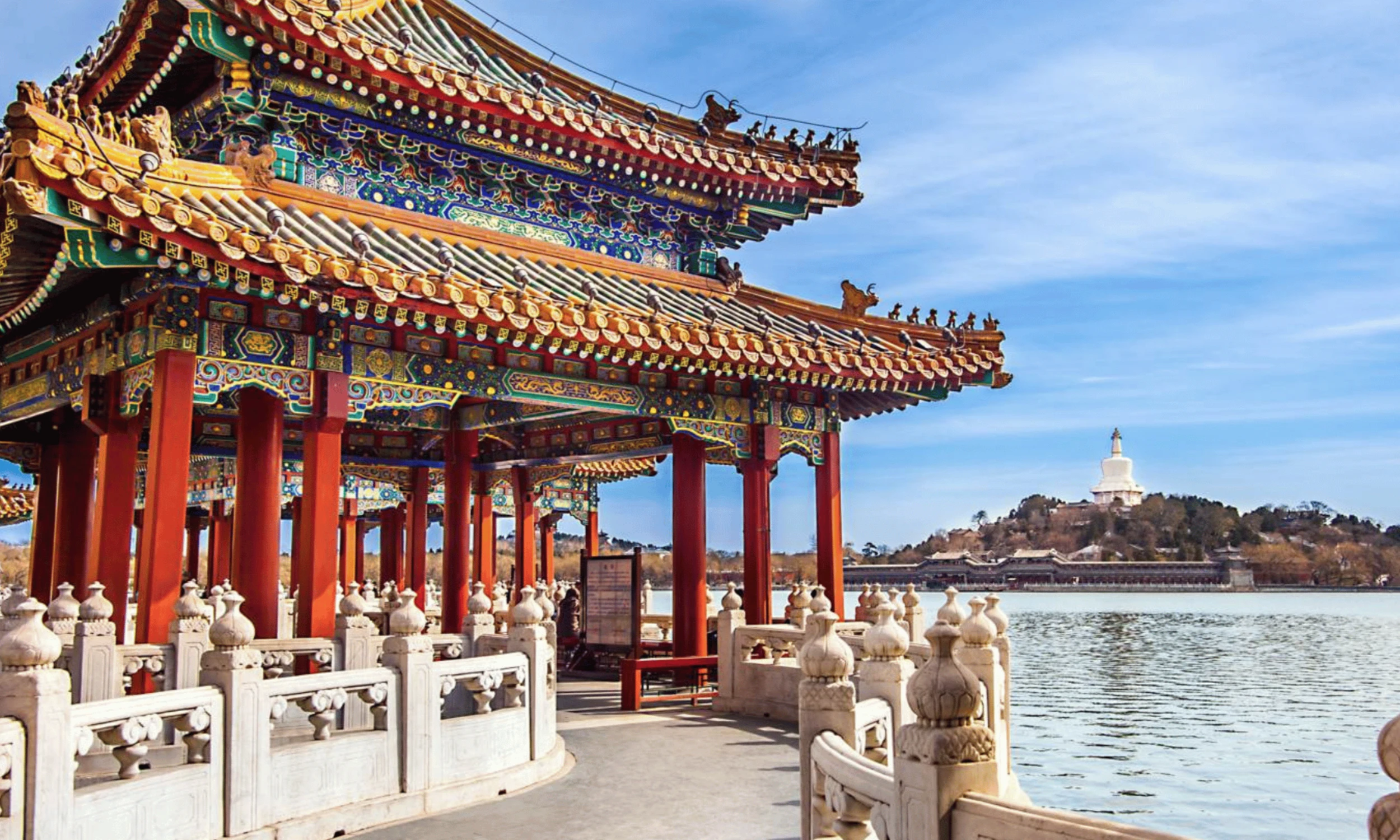
The Summer Palace in Beijing is one of China’s most enchanting imperial complexes, where nature and architecture blend in perfect harmony. Built during the Qing Dynasty, it served as a summer retreat for emperors, away from the noise of the city.
The complex includes the scenic Kunming Lake and the symbolic Longevity Hill, which together create breathtaking views in every season. Visitors can walk along the world-famous Long Corridor, admire elegant bridges and pavilions, and feel the atmosphere of centuries of history.
Listed as a UNESCO World Heritage Site, the Summer Palace is considered one of China’s cultural treasures.
Evening of September 17/18: transfer to the airport.
Return flight to Yerevan.